
Understanding Cat Behavior to Improve Photography Outcomes
Understanding cat behavior is crucial for capturing stunning photographs during cat shows. Cats possess unique personalities, which often manifest in various mood swings and behaviors. Each cat reacts differently to environments, so photographing them requires patience and knowledge. Familiarity with their body language can greatly improve the quality of your photos. Pay attention to their ears, tails, and eyes, as these indicators can help you interpret their feelings. It is essential to create a comfortable environment for cats in front of the camera. Using natural lighting, avoiding sudden movements, and making minimal noise can contribute significantly to a stress-free atmosphere. In addition, understanding the individual cat’s quirks provides better compositional opportunities. Before the show, engage with the cat to build a rapport, which may lead to more expressive facial features and poses. Effective communication with their owners can reveal preferences and triggers of individual cats. By comprehending these dynamics, photographers can anticipate moments to capture, leading to striking images. This awareness elevates the chances of securing accolades in photography contests during cat shows. In the world of cat show photography, knowledge of behavior is as important as technical skills.
Next, exploring the various types of behavior cats exhibit can enhance your photography results. Cats are naturally proud creatures, often displaying independent traits. Their unique mannerisms, like kneading or head-butting, are prime photographic opportunities. Make sure to observe each cat’s personal traits, as some may be more social, while others prefer solitude. Capturing these moments authentically is key. It is beneficial to familiarize yourself with common behavior patterns, including aggression, fear, playfulness, and restfulness. Recognizing the signs that indicate when a cat feels comfortable versus anxious helps you to photograph them effectively. Ensure the cats feel safe during the competition by allowing them to acclimate to their surroundings before shooting. Candid shots often yield the most genuine representation of a cat’s character. So, be prepared to seize spontaneous moments where they showcase their unique selves. Remember, sometimes the best shots come from serendipitous instances rather than staged poses. Finally, developing rapport with your subjects can facilitate better engagement, resulting in captivating images. Photographers must immerse themselves in understanding their subjects to create not just pictures, but stories that resonate with the viewers.
Techniques to Calm Cats for Better Photos
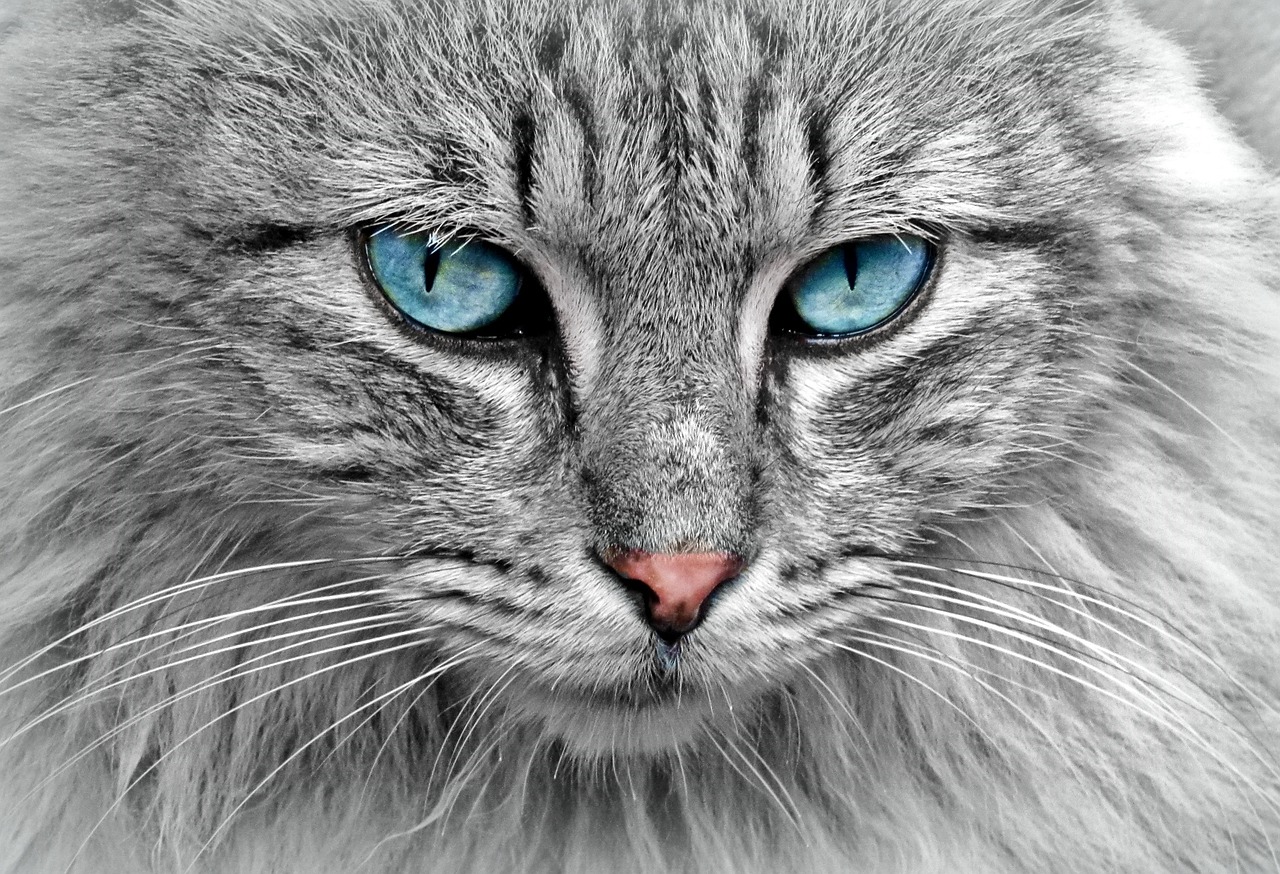
Utilizing calming techniques is essential for successful cat photography during competitions. Each cat is an individual, so recognizing their specific needs can significantly improve your outcomes. For example, bringing familiar items, like a favorite toy or blanket, to their environment can help ease tension. Soft music in the background can also create a calming ambiance, reducing the stress of both cats and photographers. Furthermore, using soothing voices can attract the cat’s attention, encouraging them to relax in front of the camera. When photographing, slowing down your movements enhances the chances of obtaining natural expressions. Rapid movements can startle cats, leading to missed opportunities. Instead, practice slow, deliberate gestures to help maintain their comfort. Additionally, patience is vital; wait for the right moment where the cat’s mood aligns with a captivating pose. Moreover, capturing close-up photos might reveal a cat’s emotions more powerfully. Focus on their facial expressions, which tell a compelling story. Understanding that some cats take longer to warm up means that giving them time before shooting can elevate your photography experience significantly, leading to more wins at contests.
Moreover, recognizing the importance of environment plays a crucial role in cat show photography. The setting can dramatically affect a cat’s demeanor, which consequently influences your images. Outdoor venues might present different challenges due to distractions like people or other animals. Meanwhile, indoor settings tend to provide better lighting conditions and control over the atmosphere. Adjust your camera settings according to the location’s natural light conditions. For example, increase ISO settings in lower lighting scenarios to maintain image clarity. Additionally, selecting the right background can help make your photos pop. Neutral backgrounds often allow the cats’ natural colors to shine, while cluttered backgrounds can detract attention. Positioning yourself at the same eye level as the cat can enhance your shots, helping convey their emotions more effectively. Another aspect to consider is using a fast shutter speed, especially when capturing active cats. To seize those playful moments, ensure your camera can react swiftly to sudden movements. Equipping yourself with a versatile lens offers better opportunities for various shots, ensuring that you can adapt to the fast pace of cat shows.
Incorporating Props to Attract Attention
Adding props can significantly enhance the visual allure of your cat show photographs. Cats are naturally curious animals, and utilizing props can elicit engaging behaviors that are perfect for capturing stunning images. For example, colorful toys or interactive elements encourage playfulness, resulting in lively shots. Ensure that any props used are safe for the cats, avoiding items that may pose hazards. You can also use platforms or elevated surfaces, as many cats love to perch up high. This height allows photographers to capture unique angles, showcasing the cat’s best features. Additionally, props can help create storytelling opportunities within the frames. Capture their interactions with different objects, revealing layers of personality and emotion. However, moderation is key. Too many distractions in a shot could take away from the cat itself. Remaining focused on how the props complement the overall theme of the image will ensure effective outcomes. Experimenting with various styles of props can lead to creative breakthroughs. Assess how different textures and colors influence a cat’s behavior, allowing for further development in technique. Great photography emerges from a blend of creativity, subject understanding, and responsiveness to the surroundings.
Furthermore, the role of light in photography can never be overstated, especially in capturing the natural beauty of cats. Lighting conditions can drastically alter the mood and vibrancy of an image. Natural light is often the preferred choice, as it can showcase the reflective qualities of a cat’s eyes and fur. Understanding the time of day when ambient light is most favorable can significantly contribute to your success. Golden hour, shortly after sunrise or before sunset, offers soft, warm light, perfect for flattering your subjects. When shooting indoors, positioning near windows provides an adequate source of light, enhancing overall picture quality. Experimenting with light sources such as reflectors can help bounce light onto the cat, adding dimension and liveliness to the photograph. The use of shadows can also add depth; it is important to be mindful of any harsh shadows that may detract from the subject. Furthermore, should you find yourself in low light conditions, consider adjusting your camera settings, such as aperture and ISO, to maintain image quality. Doing so will empower you to adapt to varying environments seamlessly and take outstanding photographs that resonate during competitions.
Post-Processing Techniques for Cat Photography
Once you’ve captured a myriad of images, the next step revolves around post-processing. Utilizing photo editing software can elevate your photography results significantly. You can enhance colors, contrast, and sharpness to add the finishing touches to your images. Adjusting brightness levels ensures that the details in your cat’s fur and eyes are accentuated. Moreover, cropping unnecessary elements from an image often leads to a cleaner presentation, ensuring the focus remains on your subject. It’s essential to learn the basics of these tools to fully benefit from them. However, it’s important not to overdo enhancements, as maintaining the authenticity of the cat is crucial. Keeping the natural qualities intact strengthens the emotional connection with viewers, which can contribute to your success in contests. Save your images in high-quality formats to preserve their integrity over time. Additionally, consider experimenting with different styles and filters to discover what works best for each unique cat. Sharing your finished images on platforms like social media enables exposure and constructive feedback, allowing you to grow as a photographer. Your journey in cat show photography unfolds through continual learning and experimentation.
In conclusion, improving photography outcomes at cat shows hinges on understanding cat behavior. Observing their idiosyncrasies and catering photography techniques to their needs dramatically enhances the experience for both cats and photographers. Employing calming methods, creating a harmonious environment, and using props effectively contribute to capturing authentic moments. Pay close attention to light quality and utilize post-processing techniques to perfect your final images. Engaging with both the cat and their owners before and during the competition can yield a wealth of information. This knowledge facilitates more authentic interactions and poignant photographs. The fusion of technical skill and keen observation nurtures a deeper appreciation for cats and their personalities. By doing so, you will not only improve your photography but also develop a greater connection to the art of cat shows. Ultimately, this journey fosters a community of cat lovers and photographers striving to excel, share experiences, and celebrate the unique bond formed through this creative lens. Every image tells a story, and the better you understand your subjects, the more powerful these narratives become. Embrace this journey, and your photography will continue to evolve gracefully.