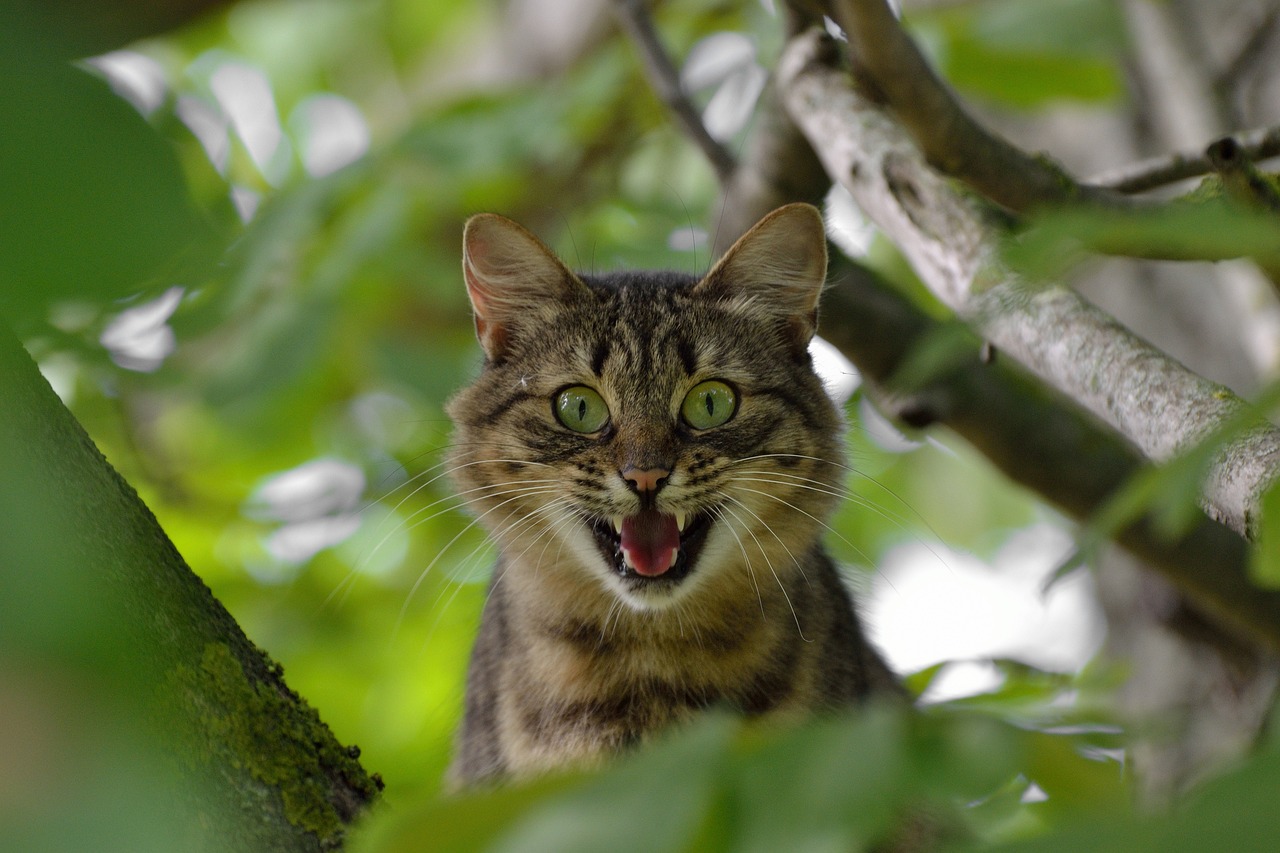

Reading the Signs: When a Cat’s Body Language Shows Aggression
Understanding cat body language, particularly aggressive signals, is essential for any cat owner. Cats express emotions and reactions through various physical cues. Recognizing these signs can help prevent conflicts, whether with people or other pets. An aggressive cat may display flattened ears, a puffed-up tail, or a stiff body posture. These indicators commonly signify fear or irritation. A cat that suddenly becomes aggressive might also engage in hissing, growling, or swatting as a warning. It’s critical not only to notice these symptoms but also to understand their context. For instance, if a cat feels threatened by a loud noise or another animal, its aggression is usually defensive rather than predatory. Creating a secure environment will assist your cat in feeling more at ease, thereby reducing the chances of aggressive behavior. Always pay attention to the surrounding circumstances. Identifying body language signs early on allows for timely intervention and helps establish a happier relationship with your feline friend. For more insightful tips on managing aggressive behavior, refer to trained veterinary advice. Building trust takes time, but recognizing aggression signals is a significant step towards creating a harmonious living space.
Cats communicate not only vocally but also through intricate body movements and signals. An aggressive cat’s body language often includes specific components that speak volumes about its emotional state. A slow, deliberate approach of the cat can indicate confidence, but if it is accompanied by a twitching tail and dilated pupils, aggression may be brewing. The tail position can reveal much; a raised tail denotes self-assurance, while a low or puffed tail signals alarm. In the feline world, sudden, quick movements indicate agitated nerves. Cats may exhibit defensive aggression when they feel cornered or threatened. When reading your cat’s body language, always consider the environment. If new people enter the home or other animals are present, these changes can heighten stress levels. Learning to interpret these cues can help prevent undesired confrontations. Moreover, certain breeds may have unique body language traits that differ from generalizations. Therefore, familiarizing yourself with your specific cat’s behavior could streamline your understanding. Additionally, monitoring their body language in various situations will allow for better responses to their emotional needs. Ignoring these signs can result in dangerous situations for both pet and owner.
Recognizing Key Aggressive Signals
Cats may exhibit a variety of aggressive signals, from body language to vocalizations. Recognizing these essential signs is key to maintaining a peaceful environment. Some observable behaviors include the common vocalizations like hissing or growling, but don’t overlook important physical indicators. Learning the body postures that indicate aggression can lead to better interactions. For example, backing away or staring intently can signal discomfort, fear, or combined aggression. Direct eye contact, while friendly in people, can provoke a similar response in a cat by feeling threatened. Other signs include raised hackles, which express a cat’s readiness to defend itself. When you identify these indicators, you can deescalate potential conflicts. Moving slowly away or redirecting their focus can help restore calm. Gradual approaches not only foster your cat’s trust but may also reduce the likelihood of future aggression. Consider offering food or toys to distract and engage them positively. By studying their behavioral patterns, you can sharpen your understanding of each subtle nuance. Remember, every cat has its own personality traits and emotional boundaries, requiring tailored approaches to ensure a peaceful cohabitation.
Behavioral triggers often stem from underlying causes that need addressing. For instance, fear-based aggression can arise from loud noises, booming voices, or overwhelming environments. Identifying what provokes your cat’s defensive responses is crucial for long-term solutions. There may also be health-related issues affecting behavior, such as pain or illness, prompting signs of aggression. Consulting a veterinarian upon significant changes in behavior is advisable. Furthermore, providing enrichment activities and safe spaces can alleviate boredom and fear, fostering a relaxed ambiance. A secure refuge with a high perch or an enclosed area allows the cat to retreat if it feels frightened. Alongside the environment, establishing routines can further benefit the cat’s mental well-being. Playtime, feeding schedules, and overall interaction time can regulate the cat’s mood genuinely. Building comfort through familiar behaviors helps in reducing the frequency of aggressive incidents. Also, avoid physical punishment; it strengthens negative associations, leading to more pronounced aggressiveness. Instead, seek positive reinforcement techniques that reward calm and gentle behavior. Your support, patience, and understanding will ultimately shape a strong bond and more peaceful home life.
Managing and Redirecting Aggression
Managing and redirecting aggression in cats may seem daunting, but with appropriate strategies, it becomes manageable. Firstly, understanding the difference between predatory and fear-based aggression is essential. Determining the trigger points allows for proactive planning to avoid repeat encounters. When faced with a situation where your cat’s aggression surfaces, take a step back. Avoid forceful confrontations; instead, create distractions. Utilize toys or engage in interactive play sessions to redirect their focus and energy. This technique encourages play rather than confrontation, increasing their wellbeing. Consistent handling during such moments communicates safety to the cat, ultimately reducing fears. Engaging them with puzzle toys or treats can effectively alleviate stress while channeling their instincts in a suitable manner. Additionally, providing a calm environment, free from sudden stimuli, assists in keeping aggression at bay. Implementing these methods, you create valuable learning experiences, fostering trust and respect. Over time, you’ll observe positive changes in your cat’s behavior. Continuous monitoring allows their needs to be met adequately, reducing aggression and avoiding potential conflicts. Furthermore, positive reinforcement tools such as clicker training can also yield significant long-term benefits.
Recognizing and understanding your cat’s body language enhances the bond between you and your feline friend significantly. By familiarizing yourself with their physical signals, you can create a nurturing and non-threatening environment. Aggressive behaviors don’t necessarily indicate a bad cat; they often reflect fear, discomfort, or insecurity. It’s vital to remember that cats communicate primarily through their bodies rather than sounds. Understanding this provides insights into their daily feelings, creating better relationships. A relaxed cat will commonly exhibit slower tail movements, while one feeling defensive might crouch low. By staying aware of these signals and adapting your responses accordingly, you will cultivate a safe haven for your pet. Encourage gentle interactions when they express calmness and reward these moments with affection or treats. Additionally, maintaining an environment that allows for exploration and mental stimulation reduces aggressive outcomes. When you prioritize their comfort, your cat feels more secure. Taking the time to learn about their behavior not only enhances your understanding but shapes your ability to create a positive living environment. Understanding your cat’s needs can significantly minimize frustration and aggression over time.
Final Thoughts on Cat Behavior
In conclusion, acknowledging and interpreting cat aggression is vital for every cat owner who wants to maintain a peaceful atmosphere at home. Recognizing the subtle signs of discomfort or irritation allows you to provide a better living space for your feline companions. Aggressiveness often arises from underlying issues, whether environmental stressors or health concerns, highlighting the importance of attentive observation. Understanding your cat’s body language not only prepares you for potential conflicts but fosters trust. When equipped with knowledge of behavioral signals, you empower yourself to support your cat positively. Creating a nurturing atmosphere reduces triggers for aggression over time. Each cat is unique and requires time and effort to understand its individual needs. By patiently observing and responding to their emotional cues, you promote a harmonized relationship. Employing distraction techniques, positive reinforcement, and adjusting daily routines are also effective ways to diminish aggressive behaviors. Ultimately, educating yourself about cat behavior leads to healthier interaction patterns. The bond between a cat and its owner significantly improves when owners invest in understanding their four-legged family members, leading to lifelong companionship and mutual respect.
In closing, developing a deep understanding of your cat’s body language helps you create a more harmonious environment for all family members. In the end, a happy cat often leads to a happier household. As you observe, learn, and respond to your cat’s signs of aggression thoughtfully, you are fostering an atmosphere where trust and security thrive. The investment of time and effort pays off, resulting in a happier feline companion with reduced anxiety and stress levels. Ultimately, your cat becomes a more confident and engaged member of the family, leading to enriched living experiences for both you and your beloved pet. Remember, patience, and continual learning are keys in this journey, ensuring the well-being of your feline companion. As you navigate cat behavior, make it a point to enjoy the exploration. Every cat has its quirks, and these explorations promise to deepen your bond. You also may find yourself laughing and delighting in the antics of your furry friend. Stay committed to understanding this unique relationship, and treasure the moments you share with your enchanting feline.