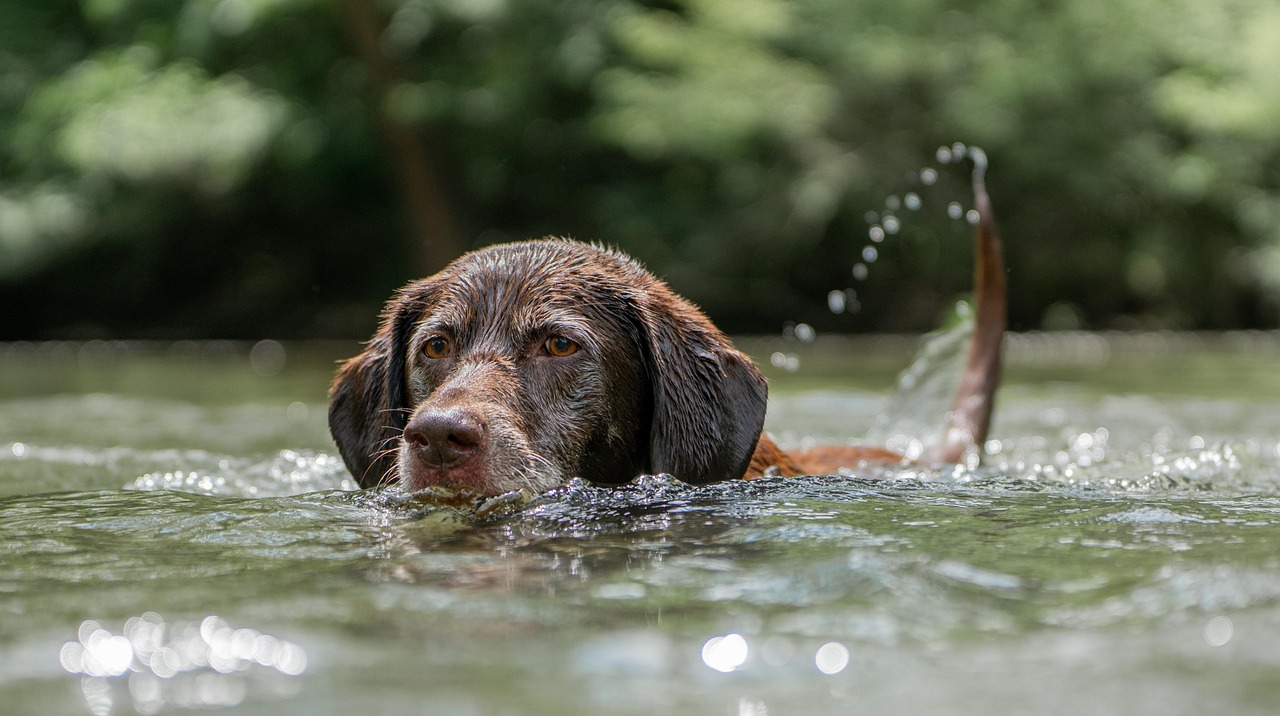

How to Use Swimming as a Mental Health Activity for Dogs
Swimming is an excellent therapeutic activity for dogs that can greatly improve their mental health. Engaging in physical activities, especially swimming, provides dogs with stimulation and exercise, which are essential for their overall well-being. Beyond just physical benefits, swimming exercises can significantly reduce anxiety and stress for canine companions. Many dogs find swimming soothing, as the buoyancy of water helps alleviate joint pressure. This gentle activity can also help dogs feel more confident, especially rescue dogs or those that feel apprehensive. By encouraging dogs to swim in calm, safe environments, owners foster a sense of security. Additionally, swimming offers an excellent opportunity for bonding between dogs and their owners. Positive experiences during swimming can reinforce their relationship and trust. When selecting a swimming area, ensure it has shallow water and suitable depth for your dog’s safety. Always supervise your dog during their time in the pool or lake, ensuring they are comfortable and safe throughout the entire experience. Furthermore, be aware of your dog’s physical abilities and preferences while introducing them to the water.
Swimming helps dogs engage in various mental stimulation activities. This can be achieved through play and interaction during and after swims. For instance, owners can toss their dog’s favorite toy or a ball into the water, encouraging them to retrieve it. Not only does this enhance their swimming skills, but it also promotes mental engagement, keeping their minds active. Dogs are naturally curious, and the stimulating environment of water can drive their instincts to explore. Dogs may find swimming in rivers or beaches, where they encounter different smells, sounds, and sights, particularly enriching. It’s important to ensure dogs are familiar with the swimming area. Familiarity leads to increased comfort and enjoyment in the water. Consider using life jackets for dogs that are new to swimming or if they show signs of struggling. This added safety measure can ease anxiety levels, allowing dogs to focus on enjoying the experience rather than worrying about keeping afloat. After swimming sessions, continue the mental stimulation by engaging in training exercises. Activities such as teaching new tricks or reinforcing commands reward them for their hard work in the water.
Safety Precautions While Swimming
Safety precautions are crucial while allowing dogs to swim. Before introducing your dog to a swimming environment, check the water quality, temperature, and depth suitable for their size and breed. Dogs can experience cold-related issues if the water is too chilly, leading to hypothermia. Ensuring a gradual introduction helps dogs acclimate to swimming conditions. Begin in shallow water where they can comfortably stand, allowing them to gain confidence before venturing deeper. If swimming in a natural body, avoid areas with strong currents or tides. Also, be mindful of potential hazards like sharp objects or submerged rocks that could cause injuries. Some dogs may instinctively drink water while swimming, which can expose them to harmful bacteria or parasites. Always rinse your dog off with fresh water after their swim session to prevent skin irritations. Additionally, watch for signs of fatigue or distress; if your dog appears exhausted or panicked, it’s vital to exit the water immediately. Monitoring swimming time helps maintain their energy levels, ensuring a positive experience and reducing the risk of overexertion or stress.
Regular swimming sessions can enhance a dog’s mental and physical health over time. Building a consistent routine ensures that dogs reap the benefits of swimming without overwhelming them. Establish a swimming schedule that incorporates fun and relaxation. Mixing swimming with short breaks allows dogs to rest while creating a balance between activity and downtime. Varying swimming locations can also prevent monotony, keeping the experience fresh and exciting. Trained professionals can guide owners looking to teach their dogs proper swimming techniques, ensuring enjoyable and effective swimming. These professionals can also provide specific tips to enhance swimming experiences. When swimming in a pool, consider joining a dog-friendly facility that offers swimming classes or activities tailored for dogs. These classes often include group sessions that help socialize dogs and expose them to other animals, enhancing their interpersonal skills. The sense of community can foster relaxation and confidence. Finally, remember to celebrate achievements, rewarding your dog with treats or praise. Positive reinforcement encourages them to view swimming as a fun and rewarding activity they enjoy participating in.
Swimming and Anxiety Reduction
Swimming can be particularly beneficial for dogs suffering from anxiety. The calming effect of water can help alleviate stressful situations. Dogs exhibit various traits of anxiety, including excessive barking, chewing, or fear. Swimming provides a welcome distraction from these behaviors, allowing dogs to focus on their physical activity under a comforting element such as water. Additionally, engaging in exercise releases endorphins that promote a sense of well-being, relieving pent-up tension. Incorporating swimming into a dog’s routine can improve their coping mechanisms, minimizing the occurrence of anxiety-related behaviors. For anxious dogs, consult with a veterinarian before introducing swimming to ensure it’s a suitable form of therapy. Understanding a dog’s specific fears allows tailored approaches, easing their discomfort. Gradually building exposure to water alongside positive, enjoyable experiences can change a dog’s perception of swimming. Establish consistent routines involving controlled exposure to the water, reinforcing a sense of security. This approach fosters a positive association with swimming, ultimately leading to a decrease in anxiety levels. Caregivers should monitor their dog’s reactions during swimming, adjusting the experience to ensure it remains enjoyable and beneficial.
Aside from anxiety reduction, swimming is beneficial for dogs with specific physical issues. Dogs suffering from arthritis or hip dysplasia often find swimming to be a gentle alternative to traditional exercises like running or playing fetch. Water supports their bodies, significantly reducing stress on joints while promoting cardiovascular health. Engaging in swimming helps preserve mobility and manage weight, both of which are critical for older or injured dogs. Integrating swimming therapy with professional guidance ensures safe and effective exercises for dogs with unique needs. Aqua therapy, conducted by trained professionals, can provide specialized exercises tailored to a dog’s medical condition, maximizing outcomes. Additionally, swimming activities can help maintain muscle mass and strength, crucial for overall health. Owners should also be attentive to any changes in their dog’s behavior after swimming sessions. Observe their physical responses to the activity, as it will ultimately inform whether swimming should continue or be adjusted for their comfort. Providing a positive, pleasant experience will ensure successful long-term participation in swimming, fostering both mental and physical health benefits for the best quality of life.
Conclusion
Encouraging swimming as a therapeutic activity offers numerous mental health benefits for dogs. The advantages encompass anxiety reduction, physical exercise, socialization, and various other therapeutic properties. Swimming not only challenges dogs physically but also stimulates their minds, creating a balanced growth environment. Owners become instrumental in identifying opportunities that arise in the swimming process, enriching their dogs’ lives through positive experiences and interactions. By incorporating swimming into regular routines, both owner and dog create lasting memories that strengthen their bond over time. Whether it’s at the beach, lake, or pool, water provides a beautiful platform for dogs to explore, play, and thrive. Ultimately, swimming plays a pivotal role in a dog’s mental health toolkit, underscoring its importance in contributing to a happy and healthy lifestyle. Always consult with a veterinary professional before starting any new activities to ensure tailored solutions for individual needs. Fostering a dog’s love for swimming through patience, encouragement, and consistent practice will enhance their confidence over time. Letting dogs engage in the joys of swimming reminds owners that every splash helps form a dog’s well-being.
Swimming offers a delightful opportunity for dogs to socialize and engage with friends, further enhancing their emotional and mental well-being. Engaging in group swimming sessions allows dogs to interact positively, promoting social skills. This interaction provides a chance for dogs to learn appropriate behaviors in a social setting. The familiar presence of other dogs can ease anxiety, making it easier for shy dogs to integrate and build friendships. These interactions foster bonding, encourage playfulness, and stimulate healthy competition. Dogs are inherently social creatures and thrive on companionship, making swimming sessions an ideal setting. Owners should organize playdates or group activities to expose their dogs to different personalities. Moreover, the shared experience encourages the development of positive relationships between pet owners. Witnessing a dog’s playful interactions with others can reassure owners that their pet benefits from swimming beyond just the physical activity. As dogs splash and chase one another, they engage their minds, releasing pent-up energy through joyful play. Owners can document these positive interactions through videos and photos, showcasing the fun times that swimming provides. Ultimately, swimming offers a holistic approach to improving the mental health of dogs through socialization and physical engagement.