
Training Techniques to Reduce Fear and Anxiety in Cats
Understanding cat anxiety and stress is crucial for pet owners. Cats can experience fear and anxiety due to various reasons, such as changes in their environment, loud noises, or the presence of unfamiliar people. Identifying these triggers can help in developing effective training techniques. A calm and safe environment is essential for a cat’s mental health. Keeping the home atmosphere stable may help reduce the stress levels of your feline friend. Sometimes, fear is tied to specific situations, so recognizing these instances allows for targeted training. Building trust with your cat can promote security and minimize anxiety. This trust can be established through consistent and positive interactions. If your cat exhibits fearful behavior, consider creating a safe zone where it can retreat. This area should include familiar belongings such as its favorite blanket or toys, which can help in reassuring the cat. Positive reinforcement through treats and praises when your cat displays calm behavior after distressing situations is effective in minimizing anxiety. Patience is key as you work with your cat to reduce its stress levels, and with time, you may see significant improvements.
Training cats to manage their anxiety effectively involves various methods. First, creating a predictable routine can provide a sense of security. Cats thrive on consistency, which helps them feel safe. Regular feeding and playtime schedules can put your cat at ease. Second, gradually introducing new experiences can help your cat build resilience. If your cat tends to be anxious around strangers, slowly allow it to observe while keeping a safe distance. Over time, shorten the distance as your cat becomes comfortable. Another technique includes using pheromones and calming supplements prescribed by a veterinarian. Products like Feliway can create a more relaxing atmosphere. Moreover, engaging your cat in interactive play can keep it mentally stimulated and alleviate stress. Using toys that mimic prey can tap into their hunting instincts while providing exercise, which also helps to reduce anxiety. Creating vertical spaces, such as cat trees or shelves, allows your cat to escape and view its environment safely. Finally, while not all stress and anxiety can be eliminated, identifying and managing your cat’s specific triggers can help to minimize the impact on its well-being. Regular vet check-ups may also uncover underlying health issues contributing to anxiety.
Understanding Environmental Enrichment
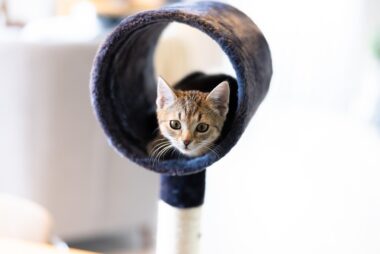
Environmental enrichment is vital for reducing anxiety in cats. This concept involves providing various stimuli that engage a cat’s natural instincts, including climbing, scratching, and hunting behaviors. When a cat is enriched, it’s less likely to experience boredom and the anxiety that can follow. For example, providing scratching posts, tunnels, and toys mimicking prey can satisfy their instincts and distract from stressors. Consider rotating toys to maintain novelty, preventing the cat from becoming disinterested. Incorporating different scents or textures can also stimulate your cat’s senses and promote exploration. Aside from toys, creating spaces where your cat can perch and observe their environment adds another layer of security and engagement. Containers filled with crinkly materials can also be entertaining, as most cats enjoy tactile sensations. Additionally, including alternative feeding methods like puzzle feeders can stimulate your cat’s mind and encourage it to hunt for food. Making mealtime exciting can mitigate anxiety tied to hunger or lack of mental engagement. Enhancing the overall environment promotes a happier, less stressed cat. Remember, a content cat is more resilient to environmental changes, and that’s what every owner strives for in providing a nurturing home.
Positive reinforcement is one of the most effective training methods for helping cats cope with anxiety. Rewarding your cat with treats, praise, or playtime creates a strong association with positive experiences. Engaging your cat when it responds calmly, such as during stressful situations, encourages the desired behavior. For example, if your cat remains calm during loud noises, offer a treat afterward. This method reinforces the idea that there is nothing to fear. Utilize clicker training, as it is an effective way to mark good behavior. Use a clicker followed by a treat to establish a clear connection between the action and the reward. Consistency is essential; ensure everyone in your household applies the same training principles. Confidence boosts can be beneficial; allowing your cat to engage in activities that make it feel secure may alleviate anxiety. Gradually introduce challenges that stimulate mental engagement while rewarding your cat’s bravery. Patience is critical, so take small steps to ensure progress. Anxiety can take time to alleviate, and every cat’s response may vary, thus fostering an understanding of your cat’s unique needs is vital in reducing fear and anxiety effectively.
Utilizing Calming Techniques
Implementing calming techniques can significantly aid in reducing anxiety in cats. One effective method involves using calming music or specialized soundscapes designed for cats. Research indicates that specific frequencies can help soothe and relax your feline friend. Playing these calming sounds during stressful events, such as fireworks, can create a more peaceful environment. Additionally, practicing gentle brushing or petting can have a calming effect. Many cats respond positively to tactile stimulation, resulting in reduced stress levels. Spend time sitting quietly with your cat, allowing it to approach you for affection at its own pace. This builds trust and reinforces a sense of safety. Moreover, consider integrating essential oils known to promote relaxation, like lavender or chamomile, but always ensure these are cat-safe. Consulting a veterinarian can provide further insights on suitable options. Creating a routine that includes moments of calm and relaxation helps prepare your cat for moments that may lead to anxiety. Investing time in gentle massage can also reassure your cat, easing its fears and stressors. By combining these methods, you enhance your cat’s overall mental health, demonstrating that it can be a safe, happy home.
Regular veterinary care is paramount in managing anxiety effectively. A health check can rule out medical conditions that contribute to heightened anxiety. For instance, pain or caloric deficiencies may lead to behavioral changes attributed to stress. Once health concerns are addressed, your veterinarian can suggest additional strategies. Some cats may benefit from medications that alleviate anxiety or behavioral disorders. Always follow your vet’s recommendations regarding dosage and administration. Creating a solid health and wellness routine will significantly impact your cat’s overall mental health. Incorporating activities such as playdates with other friendly cats can also be helpful. Socialization with other pets can help develop confidence and reduce stress over time. Make gradual introductions, allowing both cats to become familiar with each other. Monitor their interactions, maintaining a calming atmosphere. If your cat remains anxious in social situations, consider controlled exposure to other animals. With veterinary guidance and careful observation, you can develop a strategy tailored to your cat’s personality and needs, ensuring it feels secure, balanced, and healthy. Remember that every interaction is an opportunity for improvement; the journey may take time but is essential for achieving a better quality of life.
Conclusion
Ultimately, managing cat anxiety requires dedication and understanding from pet owners. Training techniques such as establishing a routine, providing environmental enrichment, and fostering trust are crucial. Incorporating positive reinforcement encourages security while mitigating stress. Environmental enrichment and using calming techniques, such as music or gentle petting, also promote relaxation. Regular veterinary check-ups will aid in pinpointing underlying health issues contributing to anxiety. All of these efforts combine to create a stable, comforting atmosphere for your cat. Remember the importance of patience and consistency throughout the process. Each cat is unique and may respond differently to various approaches. Continuous observation helps tailor strategies that suit individual needs while minimizing anxiety. Cats, like humans, appreciate a nurturing environment and thrive on love and compassion. With appropriate training methods and strategies, owners can significantly improve their cat’s quality of life. A happier, less anxious cat is ultimately the goal for every pet owner. By understanding and implementing these training techniques, you will cultivate a deeper bond with your feline companion while ensuring its emotional well-being.
In conclusion, continue exploring techniques to ensure your cat’s mental health. This assists in measured progress toward less anxiety. As every cat is distinct, consistency and adjustment continue being essential.