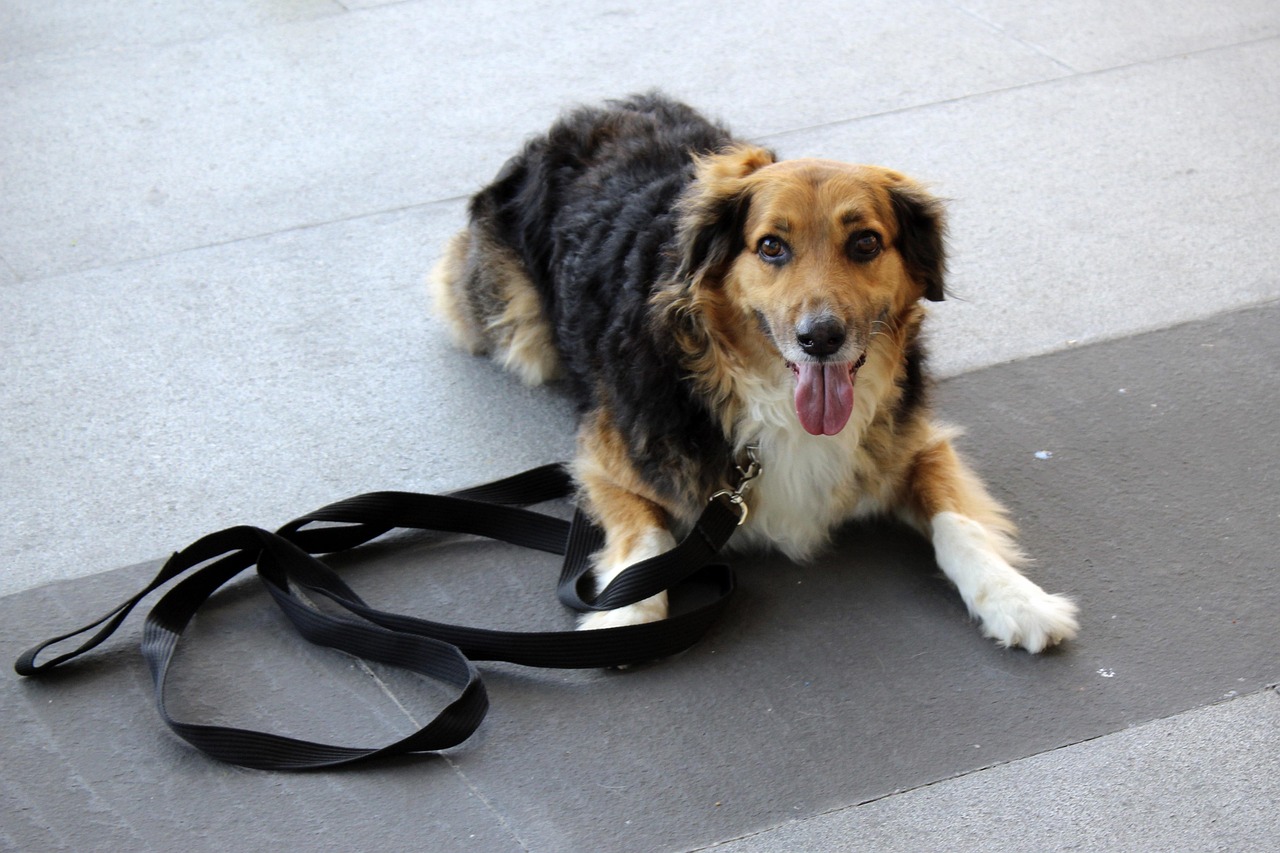

Learning Through Conditioning: Classical vs. Operant in Dogs
Understanding how dogs learn is a complex yet fascinating area of study. Dogs, like many animals, learn through various conditioning techniques. Two main forms of conditioning are classical and operant conditioning. Classical conditioning involves creating associations between two stimuli, while operant conditioning focuses on the consequences of behavior. Both types play a crucial role in shaping how dogs respond to stimuli in their environment. To improve our relationships with dogs, we must apply these principles effectively. This article will explore these concepts, offering insights into their application in everyday dog training and behavior modification.
Classical conditioning is a form of learning in which dogs make connections between different stimuli. One classic example involves Pavlov’s experiments with dogs, where he conditioned them to salivate at the sound of a bell. This behavior was prompted by associating the bell with food. For dog owners, understanding classical conditioning is important. Owners can effectively train their dogs to respond to certain sounds or signals, leading to a more obedient pet. For instance, a dog might be taught to sit when hearing a specific command. Owners should focus on creating these positive associations to foster good behavior and reinforce learning outcomes.
Operant Conditioning Explained
Operant conditioning differs significantly from classical conditioning. This method focuses on the effects of behaviors and the consequences that follow them. In this context, behaviors can be reinforced or punished. Reinforcement encourages the repetition of a desirable behavior, while punishment aims to reduce the occurrence of unwanted actions. Dog trainers often utilize positive reinforcement, which rewards desired behaviors with treats, praise, or playtime. This technique can be incredibly effective in training dogs, as it creates a positive learning environment. Understanding operant conditioning is crucial for anyone looking to influence their pet’s behavior positively.
Throughout dog training, consistency is key to effectively implementing operant conditioning. Dogs thrive on repetitive behaviors and routine responses, making clear communication essential for successful training outcomes. Training sessions should be short and engaging, typically lasting around five to ten minutes. Short sessions help maintain the dog’s attention while preventing frustration or fatigue. Additionally, it’s vital to reward the dog immediately after a desired behavior occurs. This immediate reward reinforces the behavior and helps the dog associate the action with the positive outcome. Always aim to keep training sessions positive and fun for your dog to build confidence and trust.
Combining Classical and Operant Conditioning
A successful training approach often incorporates both classical and operant conditioning techniques. For example, regularly using a clicker while training a dog can combine the benefits of both methods. The click sound serves as a conditioned stimulus, indicating a specific behavior that will be rewarded. This combination reinforces good behavior while also establishing a strong association between the sound and the reward. Ultimately, a blended approach allows trainers to modify behaviors more effectively. Dog owners should learn to identify which methods work best for their dog and and be adaptable in their training methods throughout the process.
Understanding a dog’s unique personality is essential for effective training. Each dog may respond differently to classical or operant conditioning methods based on its temperament, past experiences, and breed characteristics. It is crucial to tailor training methods accordingly to ensure the best results. Observing how your dog reacts to various stimuli will help inform your training strategy. Keep in mind that patience and perseverance are vital during training sessions. Progress may be slow at first, but consistency and understanding will yield results over time. Celebrate small victories and remain committed to reinforcing positive behaviors.
The Role of Environment in Learning
The environment plays a significant role in how well dogs learn. Factors such as distractions, noise, and physical space can influence a dog’s ability to focus during training. For optimal learning, choose a quiet and comfortable space free from distractions. Additionally, frequent exposure to different environments can help dogs generalize learned behaviors, making them more adaptable in various situations. Incorporating training in diverse settings allows dogs to practice skills in realistic scenarios, enhancing their understanding of commands and cues. A well-rounded training approach ensures dogs become well-adjusted and well-behaved companions.
Finally, maintaining a strong bond with your dog positively influences their learning process. A trusting relationship will increase your dog’s willingness to engage during training. Spend quality time together through play, exercise, and affection to strengthen this bond. Dogs that feel secure and valued are more likely to exhibit positive behaviors and respond better to training. Always strive to create an environment filled with encouragement and support, fostering a loving relationship. Ultimately, understanding the principles of learning through conditioning will empower dog owners to shape their pet’s behavior effectively and nurture a fulfilling connection with their canine companions.