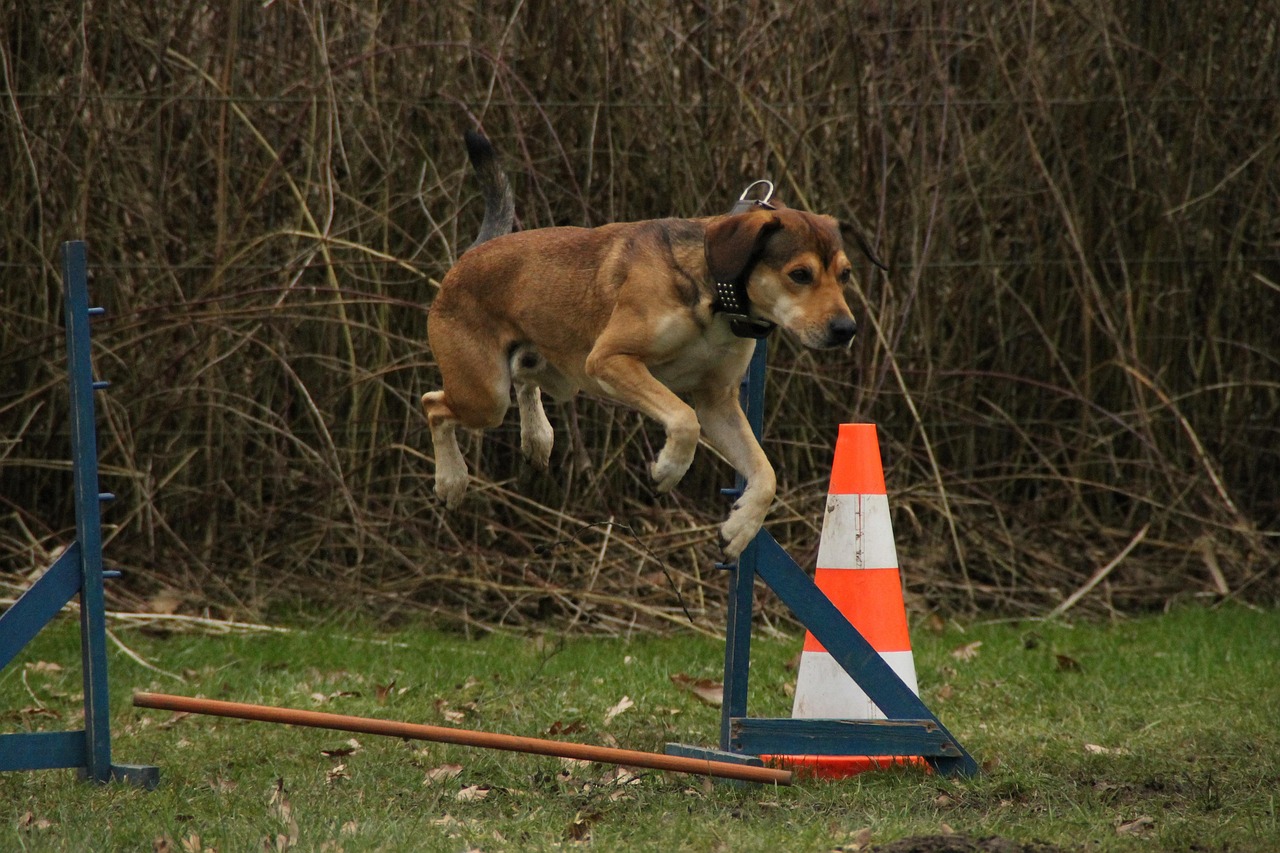

Canine Exercise Tips to Prevent Destructive Behaviors
Dogs, like humans, need regular exercise to maintain physical and mental health. A lack of physical activity can lead to boredom, anxiety, and destructive behaviors, creating a cycle of distress. Engaging in structured exercise routines promotes better mental health by reducing anxiety and preventing behavioral issues. This is crucial for both the dog’s happiness and the owner’s peace of mind. Incorporating exercises such as fetch, agility training, and long walks helps burn off excess energy and stimulates their minds. Activities that challenge your dog’s intelligence, such as hide-and-seek, encourage them mentally and physically. Consistency is vital in developing a routine that addresses their needs. A well-exercised dog is usually calmer, more focused, and less prone to destructive behaviors like chewing or digging. Owners should observe and adapt their exercise strategies based on their dog’s age, breed, and energy levels. Engaging in both physical and mental workouts can create satisfying interactions, making both the owner and pup happy. So, invest time in creating exercise schedules that suit your furry friend; it will pay off in the long run.
Understanding The Benefits of Exercise
Exercise for dogs offers numerous benefits that extend beyond mere physical health. Regular physical activity strengthens muscles and enhances cardiovascular health, which ultimately supports a dog’s longevity. Moreover, exercising provides essential mental stimulation, preventing boredom that can lead to destructive behavior. A mentally stimulated dog is typically more balanced and less likely to engage in behaviors like excessive barking or digging. Additionally, exercising fosters a strong bond between the owner and the pet, creating opportunities for learning and effective communication. When dogs engage in fun, structured activities, they build confidence and develop social skills, which are pivotal in overcoming behavioral issues. This can strengthen the trust between a dog and its owner, leading to more effective training. Walking, fetching, and swimming offer unique benefits, catering to different fitness levels and health conditions. By prioritizing regular exercise, owners can cultivate a more harmonious household environment. Establishing a regular routine encourages dogs to retrieve toys, chase after balls, and explore outdoor settings, thus enhancing their experience. Ultimately, routine exercise contributes to a happier, healthier dog and a more pleasant living experience for everyone.
Before beginning any exercise, it’s important to consider your dog’s individual needs and limitations. Factors such as breed, age, and health conditions play an essential role in determining suitable exercise types and intensities. A high-energy puppy may require more activity, while a senior dog might need gentler and shorter workouts. Owners of breeds known for high energy, such as Border Collies, should prioritize daily, vigorous exercise routines. Conversely, smaller or older dogs may benefit from shorter walks or simple play sessions to keep them active. Understanding these principles ensures that exercise plans are tailored to prevent injury and promote health. Regular veterinary check-ups can provide insights regarding the appropriate exercises for specific health conditions or limitations. Engaging with a professional dog trainer can offer guidance in crafting effective exercise plans that are not only safe but also enjoyable for both the dog and the owner. This personalized approach maximizes the physical and mental benefits of exercise while minimizing any potential risks. As a result, owners should embrace the importance of individualized exercise plans to enhance their pet’s quality of life and foster healthier behaviors.
Socialization and Group Activities
Group activities and socialization are key aspects of canine exercise that can bring tremendous benefits. Engaging with other dogs in a supervised setting allows for social interaction, which aids in developing good behavior and communication skills. Group play can reduce anxiety by promoting a sense of community among dogs, making them more well-adjusted and less prone to aggression or fear. Activities like dog parks, obedience classes, and organized playdates provide ideal venues for dogs to interact with their peers. These interactions help build confidence while reinforcing positive behaviors, such as sharing and turn-taking. Additionally, socialization helps prevent issues like separation anxiety when paired with individual exercise routines. Many local clubs offer group training sessions, which can unleash a dog’s social potential while providing exercise. It’s also an excellent way for owners to network with other dog lovers and share tips and experiences. To prevent negative encounters, always supervise group play sessions and ensure dogs are adequately matched in size and temperament. Striking a balance between individual outings and group interactions is essential for a well-rounded exercise strategy.
Consider incorporating various types of exercise to keep your dog’s routine fresh and exciting. A combination of activities not only addresses their physical needs but also stimulates mental engagement. While long walks are essential, mixing activities like swimming, hiking, and agility training promotes overall health. Swimming is particularly gentle on joints and is great for dogs with mobility issues. Fostering a variety in workouts helps dogs develop different muscle groups, enhancing their stamina and reducing potential injuries. Additionally, engaging in brain games, such as puzzle toys or scent detection exercises, helps strengthen cognitive abilities. Create opportunities to practice obedience in these various environments, making learning a fun part of their exercise. You can also rotate toys to maintain their interest and motivation for play. By diversifying your routines, you keep your dog engaged and excited about exercising. This approach fulfills their physical and mental needs while preventing boredom-induced behaviors. Remember, a happy dog is a well-exercised dog, so keep their workouts varied and enjoyable for the best results.
Setting Realistic Goals for Your Dog
When setting exercise goals for your dog, it’s essential to be realistic and adaptable. Every dog has unique needs based on age, size, health, and temperament. Start by assessing their current fitness level and determine achievable goals for establishing a sustainable exercise routine. Aim for shorter sessions, gradually increasing in duration and intensity as your dog improves their fitness. For example, young and active breeds might thrive on running sessions, while older or smaller dogs may prefer gentle walks or slow-paced activities. Always listen to your dog; their behavior will often indicate whether they are adequately challenged or overwhelmed. This attentiveness is crucial for avoiding injury or burnout and ensuring that exercise remains a positive experience. Recording your dog’s progress can also be rewarding; tracking improvements can provide motivation and help adjust your goals as needed. Celebrate small milestones, whether it’s increased stamina or a newly mastered skill. Ensuring that these goals remain flexible allows you to adapt to changing circumstances, keeping your dog engaged and promoting a healthy lifestyle that prevents destructive behaviors.
Finally, understanding the importance of rest and recovery is crucial in dog exercise routines. Regular exercise should involve periods of high activity balanced by adequate downtime. Just like humans, dogs need recovery time to repair muscles and prevent fatigue. Over-exertion can lead to injuries and chronic problems, especially in high-energy breeds prone to overactivity. Schedule rest days in between rigorous activities to allow dogs to recuperate, particularly after strenuous workouts. This balance is vital for maintaining both their physical and mental health since mental stimulation is equally essential for recovery. Basic activities during rest days, such as gentle play or enrichment games, can keep them engaged without overwhelming their systems. Always observe your dog for signs of fatigue, discomfort, or stress during and after exercise. Consulting your veterinarian regarding optimal exercise levels and recovery protocols is recommended. Together, you and your pet can achieve the perfect blend of exercise, play, and rest to foster a well-rounded lifestyle. Remember, consistency and balance are fundamental to ensuring that exercise serves as a positive and health-promoting activity for your canine friend.
Conclusion
In conclusion, fostering a comprehensive exercise routine for your dog is pivotal in preventing destructive behaviors. By understanding their unique needs, diversifying activities, and promoting socialization, you can build a healthier, happier canine companion. Engaging in regular, well-structured physical activities reduces anxiety and strengthens the bond between you and your pet. Additionally, implementing realistic goals for fitness and recognizing the importance of recovery can enhance your dog’s overall well-being. Remember that maintaining a proper balance between exercise and rest is essential to keeping your dog internally motivated and physically fit. When your dog is satisfied and happy through music, they are less likely to display any unwanted conduct at home. Take the time to invest in your dog’s physical and mental health, and reap the rewards of having a calm and well-behaved partner. With commitment and creativity, exercise can become a cherished part of your dog’s daily routine. Use these tips to tailor a workout plan that suits their needs and watch as they thrive in a stable environment free from destructive behaviors, leading to a more enjoyable life for you both.