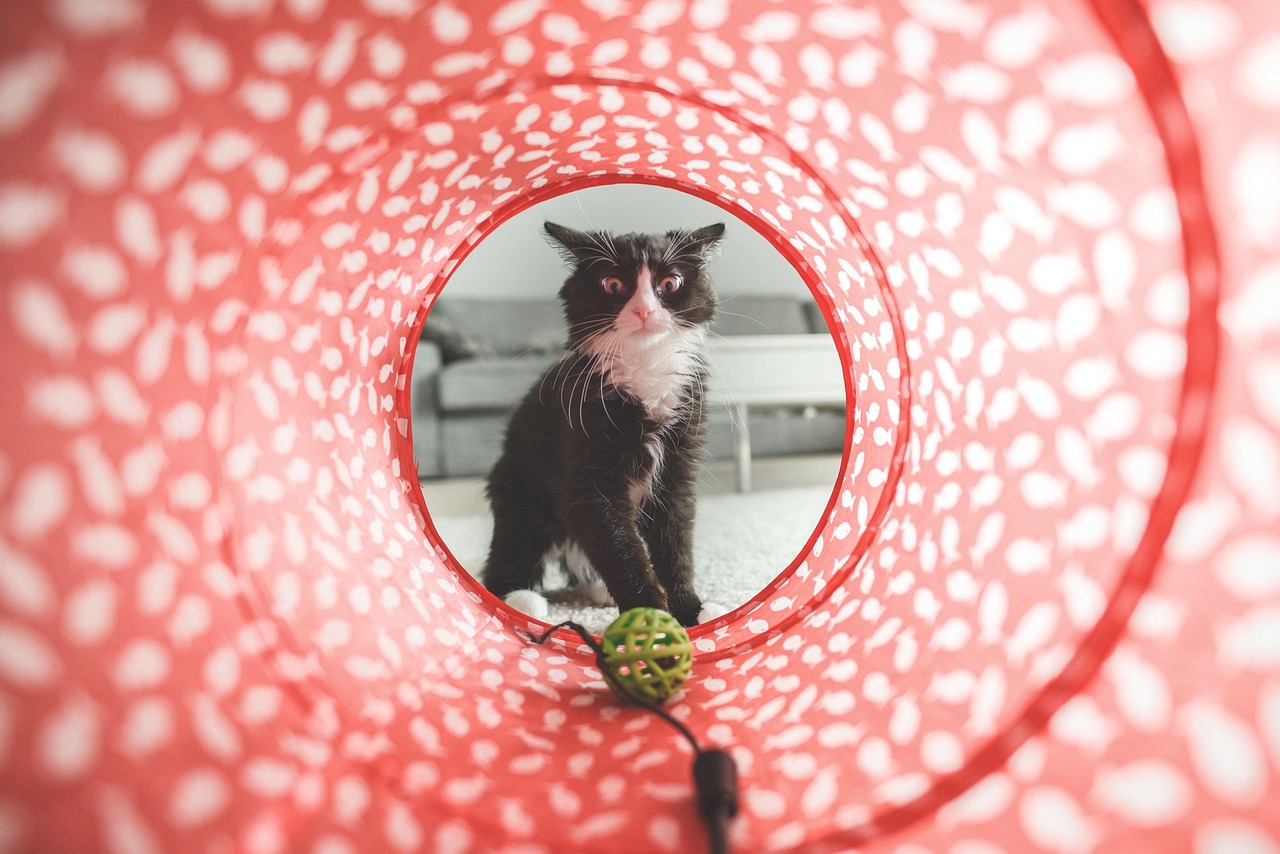

The Science of Play: How Play Affects Brain Chemistry in Cats
Understanding cat play behavior is essential for every cat owner. Play is not just an enjoyable activity for cats; it has profound implications on their mental health and overall well-being. Cats engage in play for various reasons, including honing their hunting skills, exploring their environment, and exerting excess energy. During play, a cat mimics the behaviors it would exhibit while hunting, which stimulates not only physical fitness but also cognitive functions. Various types of play engage a cat’s hunting instincts, such as stalking, pouncing, and catching. When cats play with floating toys or chase small balls of yarn, they simulate their natural predatory behaviors, which fulfill their instincts. This instinctual play has a direct impact on their brain chemistry, releasing neurotransmitters that can greatly improve their mood and reduce stress levels. Engaging with your cat through interactive play can foster a deeper bond, enhance mental stimulation, and prevent behavioral issues that arise from boredom or lack of activity. Simply put, regular play is a vital component of a healthy lifestyle for cats and a delightful experience for their human companions.
Another significant aspect of cat play behavior is the development of social skills. In multi-pet households, play can help establish social structures and hierarchies among cats. Cats often engage in mock battles, chase sequences, and playful wrestling, which helps them learn their limits and establish relationships. This form of play promotes social interaction, vital for emotional health. Positive play interactions boost serotonin and dopamine levels, neurotransmitters that play crucial roles in mood regulation. A well-socialized cat is generally more confident and less prone to anxiety. Cats that miss out on play may display signs of stress or aggression. Furthermore, kittens are particularly influenced by play, as they learn essential hunting techniques and social behaviors through playful interactions with littermates. Adult cats also continue to benefit from play by maintaining agility and cognitive function, as regular activity stimulates brain development. Owners can encourage their cats to engage in social play by providing toys that promote interaction, such as feather wands or laser pointers. By fostering an environment where cats can safely explore and express their instincts, the health of their mind and body can be maintained or even enhanced.
The Role of Environmental Enrichment
Creating a stimulating environment for cats is crucial for their mental health. Environmental enrichment helps prevent boredom, anxiety, and stress that can arise from a lack of mental and physical stimulation. Providing a variety of toys and activities that cater to a cat’s natural instincts can also promote healthy play behaviors. Interactive toys that require engagement, like puzzle feeders, not only encourage play but also challenge a cat’s intellect. These toys can keep cats mentally occupied, rewarding them for their efforts and enhancing their problem-solving skills. Additionally, items that mimic the movements of prey, such as feathered toys or laser pointers, can trigger a cat’s hunting instincts more effectively. Cat trees and scratching posts can serve as fun playgrounds, allowing them to climb, scratch, and jump. Changing the layout of your cat’s environment, rotating their toys, and introducing new items can maintain their interest and challenge them further. Keeping a dynamic environment can promote mental agility and reduce stress, leading to healthier brain chemistry and improving overall well-being. It’s important to invest in the right toys to ensure a fulfilling playtime for your cat.
Understanding the impact of play on brain chemistry can provide insights into its significance in a cat’s life. When engaging in play, a cat experiences a surge of neurotransmitters like serotonin, dopamine, and endorphins, which enhance feelings of pleasure and reduce stress. These chemicals work to regulate mood and create feelings of happiness and satisfaction. The positive experiences generated during playtime contribute to a cat’s emotional balance, making them less susceptible to anxiety and behavioral issues. Furthermore, active play stimulates the production of brain-derived neurotrophic factor (BDNF), a protein linked to brain health, enhancing learning and memory. This is particularly vital for kittens, as early play experiences shape their future responses to various stimuli in adulthood. Observing a cat’s body language during play can also provide insight into their emotional state. Signs of enjoyment, such as purring, playful swats, and enthusiastic pounces, signify a healthy mindset, whereas signs of agitation or disinterest indicate an unhealthy state that needs addressing. Encouraging regular play is not just a form of exercise, but a key contributor to strong mental health and emotional stability for our furry friends.
Building Confidence Through Play
Play is a powerful tool in building a cat’s confidence. Regular play sessions can help shy or fearful cats become more comfortable in their surroundings and with human interaction. During playful encounters, cats learn to take risks and explore their environment, which are essential skills for gaining confidence. For example, a cat that timidly approaches a toy may gain the courage to explore further, discovering new facets of their environment. Gradually, this leads them to become more adventurous and self-assured over time. It is important to encourage hesitant cats through gentle play sessions that allow them to engage at their own pace. Individual play styles vary, so it is crucial to observe your cat and choose the right toys that resonate with their interests. Interactive play fosters a bond between the cat and its owner, further enhancing their overall sense of security. Moreover, providing a variety of toys can cater to different moods, from energetic chases to relaxed batting. This diversity can help a cat feel in control during play, bolstering their self-confidence as they engage. Building confidence through play allows cats to thrive emotionally and socially.
Another vital aspect of play is how it can prevent behavioral problems in cats. Many issues, like aggression, scratching, or inappropriate elimination, can stem from boredom and lack of engagement. Providing regular opportunities to play can address these behaviors before they escalate into bigger problems. When cats are actively engaged in play, they expend energy and are less likely to engage in destructive behaviors. Routine play allows for consistent mental and physical stimulation, keeping cats focused and happy. Cats that receive regular playtime develop healthier coping mechanisms for boredom. By offering a variety of toys and encouraging play sessions, cat owners can create positive experiences that deter unwanted behaviors. It’s important to recognize the need for consistent interaction since every cat has unique energy and engagement levels. The bond created through shared play strengthens relationships between cats and their owners, and promotes a positive atmosphere, reducing stress for both parties. By fostering a proactive approach to play, owners can enhance their pets’ well-being while maintaining a harmonious home environment, thereby preventing common issues before they arise.
Interactive Play versus Solo Play
Understanding the differences between interactive and solo play is crucial for cat owners. Interactive play involves engaging directly with your cat using toys that require human participation. This type of play is essential for social bonding, as it creates a sense of teamwork and shared joy between a cat and its owner. Cats often thrive on the stimulation and excitement that comes from interacting with their humans. On the other hand, solo play is when cats engage with toys independently. While this is also beneficial, solo play may not provide the same level of social interaction or mental stimulation as interactive play. Therefore, it is vital to strike a balance between both types of play. Providing solo activities like toys that trigger movements can keep cats engaged when you’re not available. However, regular interactive sessions should be prioritized to foster your cat’s social bonds and keep their mood elevated. In conclusion, both types of play serve distinct roles in mental health; combined, they ensure a well-rounded lifestyle for cats, supporting emotional well-being and cognitive function. Identifying the right mix of interactions can significantly benefit your cat’s quality of life.
In conclusion, understanding cat play behavior is vital in promoting mental health. The importance of regular play cannot be overstated—it affects mood, behavior, and overall well-being. Mental stimulation through interactive play leads to positive experiences, enhancing brain chemistry that fosters happiness. Environmental enrichment is key, as it keeps our feline friends engaged, reducing boredom-induced stress. Encouraging confidence-building activities through playful interactions yields self-assured cats who explore their environment with curiosity. Additionally, preventing behavioral problems through consistent play routines sets the foundation for a harmonious household. As responsible pet owners, integrating both interactive and solo play into daily routines ensures mental and physical health for our beloved companions. Long-term happiness is built through the joyful interactions shared between cats and their owners, deepening the bond that nurtures emotional well-being. Busy lives can sometimes limit playtime, but recognizing its significance is essential for a cat’s bright and fulfilling life. By prioritizing play, we acknowledge its influence in shaping a cat’s behavior and mental health, leading to happier, healthier pets. Ultimately, investing time into play can foster a stronger, more fulfilling relationship with our feline friends, enhancing their quality of life significantly.