
Leveraging Professional Trainers to Train Aggressive Dogs Safely
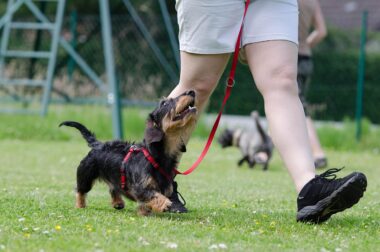
Training aggressive dogs can be a daunting task for many pet owners. Engaging a professional trainer offers valuable expertise and experience, especially if your dog shows signs of fear or aggression. Finding a trainer who specializes in aggressive behavior can dramatically improve outcomes. These trainers often employ various methods tailored to each dog’s temperament and history. Building trust between the trainer and the dog is critical for effective learning. A professional can also assess underlying issues contributing to aggression, such as past trauma or anxiety. Observing how a trainer interacts with your dog can provide insight into successful techniques. For owners, this can also be an enlightening experience, shedding light on methods that might be effective at home. As you look for a trainer, consider their qualifications and experience by asking for credentials. Additionally, seek out recommendations from pet owners or local veterinarians. You can also check online reviews of trainers in your area for helpful evaluations. Training together can significantly enhance the bond between you and your aggressive dog, making the process beneficial for both parties. Remember that patience and consistency are key components in the training journey.
Before starting, it’s essential to set realistic expectations with your professional trainer. Aggressive behavior can take time to address, and quick fixes are often ineffective or, worse, harmful. Discuss your goals with the trainer, ensuring that both you and the trainer agree on the desired outcomes. A successful training program often emphasizes positive reinforcement, rewarding the dog for good behavior rather than punishing bad behavior. This approach not only fosters cooperation but also helps in building your dog’s confidence. Making sessions interactive and engaging is also vital for maintaining your dog’s focus. Professional trainers have techniques to keep sessions interesting, ensuring that dogs learn more effectively. Owners are encouraged to ask questions during training sessions to gain clarity on techniques being implemented. This knowledge will empower you to continue the training at home. Learning the right timing for rewards and corrections is critical too; this helps identify which methods resonate best with your aggressive dog. Documenting progress during training is helpful as well, as it allows you to see your dog’s improvement over time. Lastly, consider follow-up sessions to reinforce training concepts, especially as your dog matures or faces new challenges.
Understanding Behavior Assessment
Before any training begins, a thorough behavior assessment is crucial. Professional trainers typically conduct this assessment to identify triggers and contributing factors. By understanding these dynamics, you and your trainer can create a customized training plan. During the assessment, trainers will observe your dog’s interactions, responses to various situations, and general behavior. This process also allows you to provide valuable information regarding your dog’s history, daily routines, and any past encounters that may influence their aggression. An accurate assessment can lead to better-targeted interventions. Aspects like body language are fundamental in understanding a dog’s emotions. For example, a dog that shows growling or snapping may be fearful rather than aggressively dominant. This distinction is vital for appropriate training strategies. The behavior assessment also helps in determining the level of training recommended for your dog. Once your trainer collects enough data, they can recommend strategies focused on desensitization and counter-conditioning. These techniques gradually expose your dog to its triggers in controlled environments, helping your pet learn to remain calm. An effective assessment lays the groundwork for a successful training journey and promotes quicker improvement.
Another important element in training aggressive dogs is consistency. Both you and the professional trainer must enforce the same rules and expectations to avoid confusing the dog. If different people apply varying techniques or commands, your dog may struggle to understand what behaviors are acceptable. The trainer can help establish guidelines that should be consistently applied at home. This consistency extends to family members as well—everyone must contribute to the training process. Equally important is reinforcing skills taught during professional sessions. Regular practice sessions can help internalize learned behaviors, bridging the gap between training and everyday life. Engaging with your dog in various situations will help generalize skills learned through training, making your pet more adaptable. If aggressive behavior surfaces outside of training sessions, it’s vital to handle it appropriately. Discuss incidents with your trainer, as this input can help refine your approach. Continuously monitoring your dog’s behavior will help you identify triggers and adjust your training plan accordingly. Positive reinforcement should always be emphasized over punishment. This fosters a deeper level of trust between you and your dog, paving the way for a harmonious relationship.
Utilizing Various Techniques
Professional trainers often utilize a range of training techniques, adapted to the unique personality of your dog. Among the most popular approaches are clicker training and desensitization. Clicker training is effective as it allows clear communication regarding desired behaviors. When the dog performs an acceptable action, the trainer clicks, immediately followed by a reward. This method reinforces good behaviors, helping dogs associate actions with positive outcomes. On the other hand, desensitization gradually exposes dogs to their triggers, teaching them to remain calm. Always observe the level of anxiety or agitation in your dog during training; this feedback is vital for adjustments. If your dog becomes too stressed, the trainer may suggest easing back on exposure. Additionally, some trainers incorporate behavioral modification methods like counter-conditioning, aiming to change your dog’s emotional response to stimuli. This might involve recreating scenarios that typically elicit aggression while providing treats for calm behavior. Furthermore, socialization training can be incredibly helpful, allowing your dog to interact positively with other dogs and people. Ultimately, a combination of these techniques from a professional trainer can effectively transform aggressive behavior into a well-rounded experience.
Working with a professional trainer offers an unparalleled advantage, especially when dealing with aggressive dogs. For owners, it’s essential to remain open to feedback and guidance. This mindset allows for a smoother transition into practicing what you learn during sessions. Realizing that not all methods suit every dog is crucial, and flexibility is necessary for successful collaboration. If a particular technique proves ineffective, communicate this with your trainer. They are trained to adapt strategies based on results observed. Remember to celebrate small victories during the training process; these incremental changes build motivation for both you and the dog. Ensuring adequate mental and physical stimulation is critical during training too. This approach addresses boredom that may escalate aggressive behavior or lead to unwanted habits. Engaging in regular exercise routines or playtime can significantly reduce a dog’s anxiety levels. When physically and mentally stimulated, dogs typically display improved behavior. Ongoing education through workshops or reading materials also supports owners as they navigate training challenges. Staying informed will ensure that you are equipped to reinforce the positive habits learned during your training sessions with professionals. Greater awareness and skillsets will lead to a more successful training experience.
Maintaining Trainer Relationships
Finally, maintaining a strong relationship with your trainer is equally important in effectively training aggressive dogs. Regular communication is essential; keeping your trainer updated on your dog’s progress and challenges allows for continuous improvement. Dogs can exhibit varying behaviors at different times during their training journeys, necessitating ongoing adaptations in training strategies. Don’t hesitate to seek guidance when faced with unexpected behaviors. Trainers have dealt with similar challenges and can provide assistance. Additionally, consider scheduling periodic check-ups with your trainer even after initial goals have been accomplished. These appointments can reaffirm established good habits while preventing regression into old behaviors. Together, you and your trainer can work on advanced training techniques or refine existing skills. By maintaining strong bonds, trainers become reliable sources of support throughout your dog’s life. Recognize that training is not a one-time endeavor but an ongoing process, especially for aggressive dogs. Commit to a lifelong partnership with your trainer to ensure your dog thrives throughout different stages of life. Continuing education and training can also make a significant difference in enhancing the owner’s confidence in managing their pet’s behavior. With proactive measures, you can ensure a stable environment.
In conclusion, leveraging professional trainers in training aggressive dogs is essential to achieving success. Numerous benefits arise from investing in professional expertise, including specialized knowledge, tailored training methods, and ongoing support. Engaging professional trainers not only enhances the training experience for the dog but also empowers owners to handle challenging behaviors. Prioritizing the relationship with professional trainers leads to a more effective training process, promoting safety for both the dog and its environment. As you embark on this fulfilling journey, remember that aggression issues can take time to address properly. Flexibility, persistent practice, and commitment to learning will pave the way for meaningful improvements. Above all, a solid relationship built on trust between you, your dog, and the trainer is paramount. Strive for consistency, and never refrain from seeking assistance when needed. Always remain vigilant and adaptive as new challenges emerge. With the right approach and continuous partnership, you can successfully guide your aggressive dog toward a happier, healthier future. Training ultimately leads to a more enjoyable life for both owners and their pets. Embrace this journey and watch the incredible transformations unfold as you leverage your trainer’s expertise.