
How to Transport an Injured Dog in Remote or Difficult Terrain
Transporting an injured dog requires careful planning and execution. When you find yourself in a remote or challenging environment, it’s essential to act quickly yet safely. First, assess the dog’s injuries by checking for visible wounds, bleeding, and signs of pain. If the situation allows, try to keep the dog calm, as stress could worsen the injury. Use a muzzle if necessary, particularly if the dog is in a lot of pain and likely to bite. Create a makeshift stretcher using available materials, such as a blanket or sturdy surface, ensuring it’s wide enough to accommodate the dog’s body. It’s essential to support the dog’s neck and back while moving to prevent further injuries. If possible, enlist help from others to carry the injured dog. Additionally, mobile phones can aid in contacting veterinarians or emergency services to guide your revival efforts. If you’re alone, use a backpack carrier or a pet-specific first aid kit to provide immediate care on-site. Focus on stabilization and avoid jostling the dog as much as possible during transport.
Essential Equipment for Safe Transport
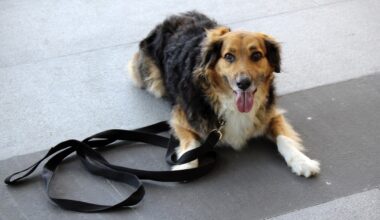
Choosing the right equipment is vital for facilitating safe transport. Begin by gathering a first aid kit specifically designed for dogs, which should include items such as antiseptic wipes, bandages, and gauze. A sturdy leash can also be indispensable for controlling the dog during the process. If you anticipate a rough journey or uneven terrain, consider investing in a specialized dog stretcher or sling, specifically designed for difficult terrains. In addition, safety harnesses provide extra support while simultaneously securing the animal. Always keep a means of hydration for the dog handy, such as a collapsible bowl filled with fresh water. Remember to pad your makeshift stretcher with a soft material to prevent discomfort during transport. Carrying a flashlight is advisable for low-light situations, and it’s essential to have an up-to-date identification tag on the dog, in case they get lost during transport. A camera can also be beneficial for documenting injuries that may be needed by veterinarians later. Strategically planning and preparing these items results in a smoother transport experience, reducing stress for both the dog and its owner.
Before attempting transport, take a few minutes to evaluate your surroundings. Clear the area of obstacles and hazards that could impede your movement. Consider notifying anyone nearby about your situation; assistance can significantly lighten the load if you’re with companions. If the dog is severely injured, careful lifting is paramount to avoid worsening the injury. When lifting, keep your back straight, and bend your knees to leverage strength from your legs instead. Ensuring that the dog’s weight is distributed evenly will help reduce strain on both the animal and the carriers. If feasible, create a plan detailing your route and communicate it with someone. If getting lost or having to retrace your steps occurs, your plan can guide others in aiding your rescue. Navigating difficult terrain often requires evaluating weather conditions, so check the forecast before departure. Even slight changes could influence transport methods, such as rain making rocks slippery. Keep an eye out for natural paths and routes that create an easier experience. During this time, keep calm and patient as every minute spent planning can help protect your furry friend.
Checking for Vital Signs
As you prepare for transport, it’s crucial to monitor the dog’s vital signs. Start by checking its breathing. A normal rate for dogs is around 10 to 30 breaths per minute. Watch for any signs of distress in their breathing pattern, which may signify worsening conditions. Also, assess their heart rate to ensure it falls within the normal range of 60 to 120 beats per minute. The dog’s gums and tongue should be a healthy pink color; pale or blue hues indicate serious health issues, requiring immediate veterinary support. Pay attention to the level of consciousness of the dog, whether they are alert, semi-conscious, or unresponsive. Keeping a log of these vital signs may be useful later for veterinarians during treatment. This documentation not only helps but also actively involves you, making the experience less overwhelming. Additionally, if you note any changes in these parameters during transport, it indicates worsening conditions. This awareness creates a more informed approach when reaching medical assistance. Knowledge is power, and staying vigilant contributes to better outcomes for your injured dog.
During the actual transport, it’s important to maintain a steady pace. Rushing could cause jostling and increased pain for the injured dog. If other people are assisting you, establish a rhythm to ensure everyone works together smoothly. Provide clear instructions on communication, as unexpected obstacles may require a coordinated response. Speak softly to the dog to keep them as calm as possible throughout the ordeal—Inevitably, the animal may feel panic, so reassurance is key. If you hit a particularly difficult section, take breaks whenever necessary, ensuring the dog is comfortable. Adjusting the tension on the stretcher and providing padding can make a significant difference in comfort. Assess the dog’s condition at these intervals to ensure no deterioration occurs. Situate yourself within eye contact, as this helps maintain a rapport with the dog while fostering trust in that moment. Traveling at intervals allows you to observe your surroundings, ensuring safe navigation. Recognize that transport decisions are often situational; adaptability can mean the difference between a smooth journey and an uphill battle, so remain flexible and vigilant.
Arriving at the Vet
Upon arriving at a veterinary facility, your transport efforts are not over yet. Approach the entrance slowly, ensuring you and the dog are calm before entering. Most veterinary facilities require you to provide detailed information regarding the dog’s condition. As such, have the vital signs, injuries, and your observations ready to share with the staff. Being able to relay information succinctly can help expedite their response time and provide immediate attention. While waiting, keep the dog calm and prevent any additional stress by reducing environmental stimuli. Familiar voices and familiar smells can often help in soothing an anxious animal. Communication with the veterinary staff should be clear and precise; do not hesitate to ask questions or express concerns about specific aspects of their care needs. Understand that the vet will likely require additional tests and evaluations to provide proper treatment. Documentation taken during transport will be instrumental for further diagnosis and care steps. Your preparation and diligence in transporting the dog will contribute significantly to their recovery efforts. Consistent and timely transportation can often save lives, and your role is critical.
In summary, transporting an injured dog necessitates a combination of preparation, knowledge, and adaptability. Whether navigating rough terrain or difficult circumstances, staying calm and organized is vital throughout this journey. Equip yourself with essential tools, monitor the dog’s condition, and maintain clear communication with both your team and the vet upon arrival. Focus on the dog’s comfort and keep steady pacing to minimize additional distress. Remember to plan both routes and gather vital information about the pet’s condition. By carefully assessing the surroundings, choosing the right equipment, and actively checking vital signs, you create a safer transport experience. Each step taken toward this effort emphasizes the importance of canine health and safety, ultimately benefitting the dog’s well-being. Adapting to any given situation can save your furry friend considerable pain and distress. Utilize available resources and knowledge for more effective outcomes. With time, patience, and preparation, you can ensure that your journey to aid and transport your injured dog is smooth and effective, reflecting your love and commitment to your beloved pet’s care.
This is another paragraph with exactly 190 words…