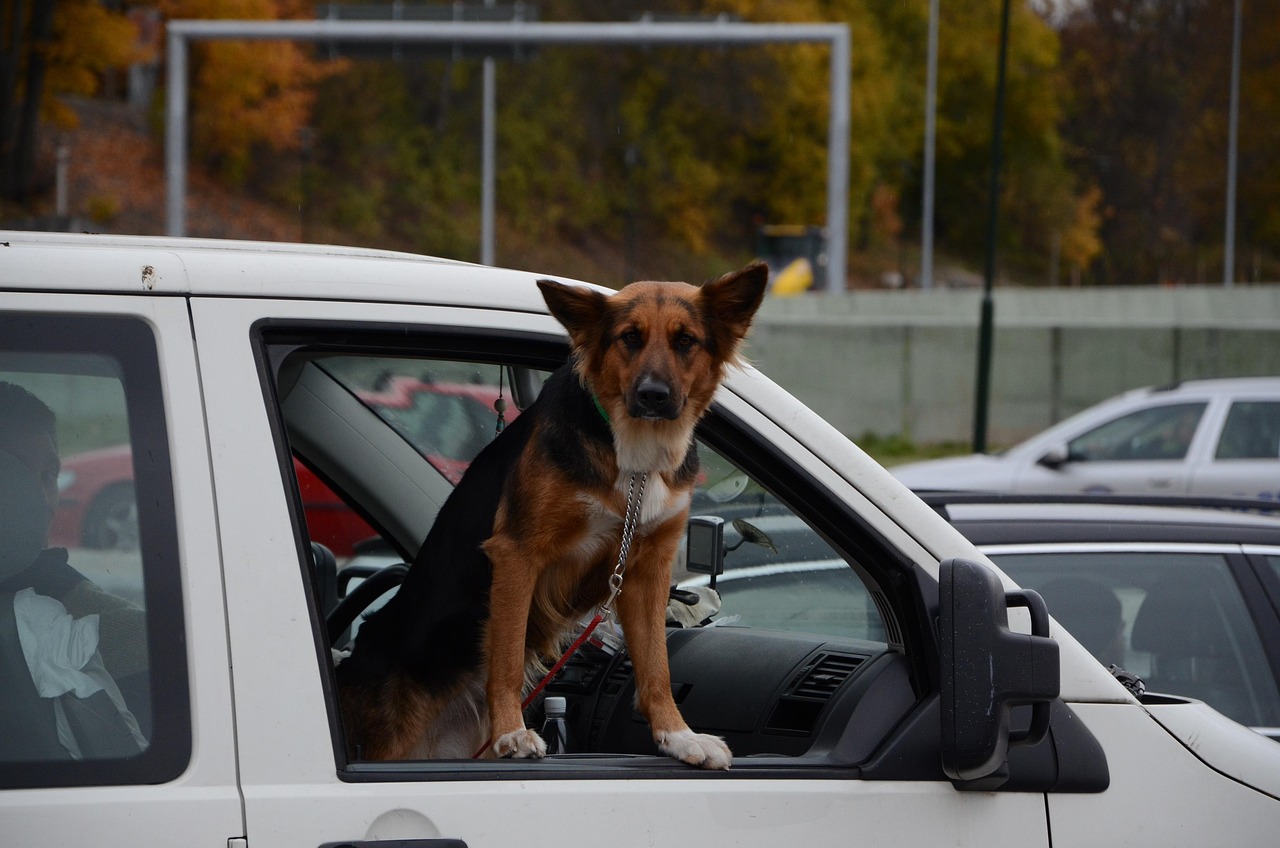

Training Your Dog to Enjoy Car Rides Safely
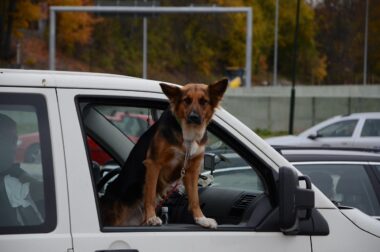
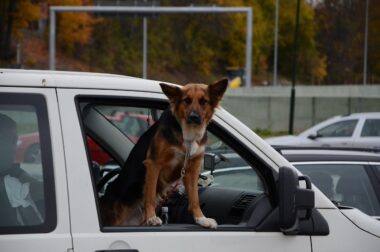
Traveling with your dog can be an enjoyable experience when done safely. The first step to ensure safety during car rides is to acclimate your dog to the vehicle. Begin by letting them explore the car without driving. Open the doors, allow them to sniff around, and make the space familiar. Once they feel at home in the car, you can start taking very short trips. This might involve just parking near your house and rewarding them for calm behavior. Gradually increase trip length, praising them frequently to create positive associations with the car. Always remember that dogs should ideally be restrained during travel. Use a pet seatbelt, harness, or transport crate. This does not only protect your dog from potential harm but also prevents distractions while driving. Discuss with your vet about the best restraints for your dog’s size and breed. Finally, carry their favorite toy or blanket to provide comfort. This familiarity can help reduce anxiety during longer rides. With these measures in place, you can better assure that your dog enjoys and looks forward to car trips, promoting a safer experience for everyone.
Furthermore, it is crucial to consider your dog’s health and safety before setting out. Basic preparation should include checking the weather; extreme heat or cold can be harmful when left inside a vehicle even for a short time. Plan your trips around the temperature to ensure that the dog is protected from excessive heat or cold. Always provide fresh water to keep them hydrated, particularly in hot weather. Another aspect to consider is their comfort level in the car. If your dog is prone to motion sickness, consult your veterinarian for possible medications or strategies to prevent it. It may also be wise to avoid feeding your dog too close to travel time to reduce the risk of nausea. When planning, ensure you take regular breaks if your trip lasts for several hours. Stop every couple of hours to let your dog stretch and relieve themselves. This breaks the monotony and keeps them from becoming anxious. Give them the opportunity to explore the area, sniff around, and consume water. These breaks not only benefit your dog but also give you a chance to rest and check everything, ensuring a wonderful journey.
Essential Safety Gear for Dogs
Equipping your dog with the appropriate safety gear can significantly enhance their travel experience. First, invest in a quality pet seatbelt or harness. These devices are designed to securely attach your dog to the car’s seat, minimizing the risk of injury during sudden stops or accidents. Look for ones that are crash-tested and fit snugly. Additionally, pet crates can provide a safe space for dogs during travel. Crating your dog keeps them contained and reduces distractions. Ensure that any crate you use is well-ventilated and appropriately sized. Your dog should be able to stand, turn, and lie down comfortably. For added safety, consider using reflective gear or a vest if you’ll travel during dim light conditions. This heightens your dog’s visibility and helps prevent accidents. Also, having an ID tag on their collar, along with a microchip, is vital in case they become lost during stops. Maintain an emergency kit in your car, including basic first aid supplies. Ensuring these safety measures are in place gives peace of mind and allows you both to focus on enjoying the journey.
Another implementation to further enhance your dog’s comfort is to manage their anxiety effectively. Some dogs can become anxious or restless during car rides. To tackle this, try using calming products such as pheromone sprays or anxiety wraps. These products can help soothe your dog if you’re traveling to new locations where they may feel stress or distress. Familiar smells can greatly comfort your pet, so consider having their favorite blanket or bed available during the rides. Training your dog to stay calm is also critical. Practice brief car rides with praise, maintaining a relaxed atmosphere that encourages calmness. It might be beneficial to get them used to the car engine running before actual trips. Start the car without driving, allowing them to observe how the environment changes. If your dog appears uneasy, gently reassess how you can make them more comfortable during travel. Calm, positive reinforcement is key, so don’t hesitate to reward them for good behavior throughout this process during car rides. Patience is essential, creating a positive routine to help your pet enjoy these moments.
The Role of Positive Reinforcement
Positive reinforcement is a powerful tool when training your dog for car rides. This technique involves rewarding your dog for good behavior, creating associations that make them look forward to the next adventure. Start by rewarding them when they enter the vehicle calmly. Keep a pouch of their favorite treats at hand. After your dog exhibits good behavior—like sitting quietly or staying in their seat—immediately reward them. This association will help encourage the desired behaviors and foster a loving connection. Never use negative reinforcement, as it can instill fear and anxiety regarding car travel. Your aim is to create a relaxed environment. Reinforcement works best when it occurs within the moment, so timing is crucial. Additionally, mix in toys or amusing games to keep the mood light and enjoyable. Learning should be fun instead of imposing stress. Over time, your dog will start looking forward to car rides as they relate it to positive experiences. This change can turn travel time into quality bonding time for you and your furry friend.
Aside from behavioral training, socialization plays a key role in preparing your dog for sieges within a car. Visiting dog parks or engaging in public places can help your pet acclimatize to various sights, sounds, and smells experienced during a drive. Introducing your dog to various environments conditions prepares them for the unpredictable nature of a car ride. Additionally, consider inviting friends with dogs to join so they can engage during these social outings. This camaraderie teaches them about staying comfortable with other dogs. While on your excursions, the inclusion of other dogs helps promote calmness and encourages natural positive behavior. Socialization can greatly reduce fear while driving, so begin slowly and consistently expose your pet to new settings. Introduce sights and sounds typically found on the road gradually. Familiarization will build your dog’s confidence. Regular interactions decrease anxiety, laying a great foundation for future car rides. After all, a well-socialized dog will be less stressed and more content during travel, making the entire process enjoyable. Take time to support their growth, safety, and overall happiness while traveling.
Conclusion: A Safe Journey Awaits
In conclusion, preparing your dog for safe car rides involves a combination of proper training, safety gear, and behavioral practices. Begin with acclimatization, allowing your dog to explore the vehicle, and build positive associations through rewarding behaviors. It’s essential to equip your vehicle with safety restraints to protect both your pet and yourself from distractions. Patiently introduce your dog to the idea of traveling, managing any anxiety proactively. Stay attentive to their comfort and needs throughout the journey, providing breaks, water, and reassurance. Remember to shift focus towards enjoyable experiences, utilizing positive reinforcement and socialization. The more comfortable and confident your dog is during car rides, the safer and more enjoyable the experience will be. By addressing your dog’s specific needs during travel, you’re ensuring a better outcome on all future adventures. As you implement these strategies, remember that each dog is unique, and some may need extra time to adjust. With patience and love, you’ll build a solid travel dynamic that enables unforgettable road trips together.