
A Complete Guide to Starting Your Dog on a Raw Food Diet
Transitioning your dog to a raw food diet can be a challenging yet rewarding process. Many dog owners are considering this approach due to the benefits it offers, including better skin, shinier coats, and increased energy levels. The raw food diet typically consists of raw meat, bones, fruits, and vegetables. It’s essential to ensure a balanced diet that meets your dog’s nutritional needs. To begin, research various raw food recipes and consult your veterinarian about transitioning slowly to prevent digestive upset. Using high-quality ingredients is crucial, so opt for fresh and organic options when possible. This diet can also include whole prey, which replicates the natural eating habits of wild dogs. Remember, moderation is key, and understanding your dog’s weight, age, and activity level will guide portion sizes. Regularly monitor their health and behavior during this transition, making adjustments as necessary. In no time, you might notice improvements in your dog’s overall health and happiness as they adapt to their new diet.
Benefits of a Raw Food Diet
There are numerous benefits associated with feeding your dog a raw food diet. First and foremost, it provides essential nutrients that are often lost during the cooking process. Raw diets can contain higher levels of proteins, vitamins, and minerals, leading to improved health. Additionally, raw feeding can enhance your dog’s dental health by reducing plaque buildup through the chewing of bones. Furthermore, pet owners often report reduced allergy symptoms and lower incidence of food intolerances when switching their dogs to raw foods. It’s also worth noting that many dogs exhibit better energy levels, leading to increased activity and weight management. Raw food diets can also be customized based on individual dogs’ needs, which is a significant plus for owners with pets that have specific health concerns. However, it’s critical to inform yourself about safe raw food handling practices to prevent contamination. After all, you want to ensure that your dog enjoys all the advantages that accompany this dietary choice while avoiding any potential health risks. Proper planning and preparation will set the stage for a peaceful transition.
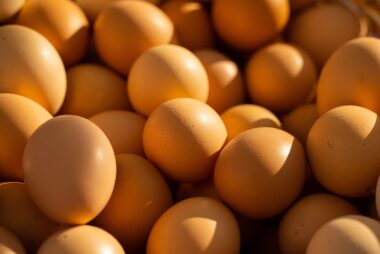
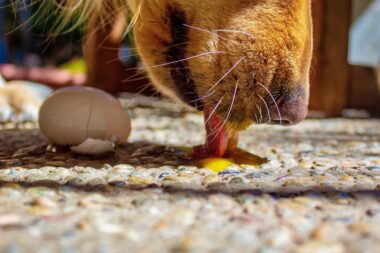
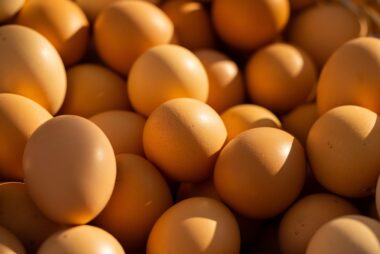
Establishing the right balance in your dog’s raw food diet involves understanding their unique metabolic needs. It’s important to note that not all meats and vegetables are suitable for all dogs. Therefore, a variety of ingredients is essential in creating a nutritionally complete diet. You can start by introducing ground meats such as chicken, beef, or lamb, which are generally well-tolerated by most dogs. In addition to meat, including organ meats offers vital nutrients, such as essential vitamins and minerals. Eggs can also be a fantastic addition, providing protein and fatty acids. It’s worth researching safe fruits and vegetables to include, such as carrots, spinach, or blueberries, which can enhance their digestive health. Experimenting with portion sizes will help you figure out the optimal amount of food based on your dog’s weight and activity level. Regular vet checkups can help monitor their health during this period. With dedication and careful consideration of what goes into your dog’s meals, you’ll be able to establish a raw diet that benefits their overall well-being.
Common Concerns and Misconceptions
Many dog owners have concerns and misconceptions when it comes to transitioning to a raw food diet. One worry is the perception that feeding raw meat can pose a health risk to pets; however, when managed correctly, this risk is minimal. Safe handling and sourcing your ingredients from reputable suppliers can significantly reduce these concerns. Another common fear is a potential lack of nutritional balance, yet with proper planning, it’s entirely possible to meet all of your dog’s dietary needs. Additionally, some believe that dogs should exclusively eat grains, yet a raw diet can be grain-free and more aligned with their ancestral eating habits. Digestive issues may arise if switching too quickly, but introducing raw food gradually can mitigate these challenges and allow your dog’s digestive system to adapt. Furthermore, not all breeds react similarly to raw diets, and knowing your dog’s specific needs is crucial. For some dogs, these diets can significantly improve overall health and energy levels, debunking some common myths surrounding raw feeding and veterinary advice.
Creating a meal plan for your dog on a raw food diet can feel overwhelming, but it doesn’t have to be. Start by establishing a solid weekly schedule that outlines the various ingredients you’ll be using. Include a mix of muscle meat, bones, organ meats, and veggies in your planning. Ensure meals are varied day by day to provide a broad range of nutrients. Preparing larger quantities at once can streamline the process; just be sure to store leftovers safely in airtight containers or appropriate bags in the freezer. A balance of calcium-rich foods, like bones, and muscle meats is critical to maintain healthy growth, especially in young, developing dogs. Additionally, you might consider incorporating supplements such as fish oil for omega fatty acids, probiotics for digestive health, and specific vitamins as needed. Tracking your dog’s reactions and adjusting meals accordingly will create an optimal feeding plan tailored to their unique needs. Regular communication with your vet is essential as they can guide you in refining your dog’s raw food diet and keeping them healthy.
Potential Pitfalls to Avoid
While transitioning to a raw food diet can yield many benefits, there are potential pitfalls that every dog owner should be aware of. One major issue is the risk of insufficient dietary variety, leading to an unbalanced nutrient profile. Always aim to include a diverse mix of proteins, vitamins, and minerals in your dog’s meals. Additionally, be wary of sourcing ingredients from questionable suppliers, as this can lead to contamination risks and affect your dog’s health. It’s crucial to follow safe food handling procedures to minimize these risks. Another common pitfall is neglecting your dog’s individual needs; not all dogs require the same diet based on their age, size, or health status. It’s important to consult your veterinarian to help customize your dog’s diet plan to their specific requirements. Lastly, avoid abrupt changes to your dog’s meals or serving sizes. Gradually incorporating raw foods into their diet will help prevent digestive disturbances and ensures smoother adaptation. With the right knowledge, you can steer clear of these traps on your journey to a raw food diet.
Feeding your dog a raw food diet may also lead to changes in their elimination habits, necessitating regular monitoring. As you progress with your dog’s new diet, be aware that they may experience different types of bowel movements. Typically, you can expect firmer stools when transitioning successfully to a raw food regimen. This indicates that the dog is digesting their meal well and absorbing essential nutrients efficiently. Keeping an eye on your dog’s weight is equally essential; rapid weight loss or gain can signal dietary imbalance or health issues. Regular vet visits can help assess their overall health status and make necessary adjustments based on findings. Additionally, watch for increased thirst or changes in energy levels, which may indicate dietary concerns that require further investigation. Make sure your dog is staying hydrated, and always have fresh water available. Gradual progressions and consistent observation during this transition period can lead to a successful raw food diet experience. Remember, each dog is unique, and maintaining an adaptable approach will ensure they thrive on their new feeding regime.
Conclusion: Embarking on the Raw Food Journey
As you embark on the journey of transitioning your dog to a raw food diet, it’s crucial to stay informed and maintain an open dialogue with your veterinarian. This type of diet offers numerous benefits and nutritional advantages, but it requires careful planning and commitment. You must research and prepare diverse meals to eliminate potential pitfalls. Becoming well-informed about the ingredients you choose is essential for your dog’s health. Be prepared for challenges along the way, as your dog’s transition may take time until they fully adapt. Consistency is vital during this period; without it, achieving the desired results may be more difficult. Continuous monitoring of your dog’s health and behavior will guide your efforts and ensure that the diet is working well for them. Celebrate small victories during the transition, and be patient with your pet. Remember, every dog is different, and what works for one may not work for another. With love and dedication, you can successfully introduce your dog to a raw food diet, making a significant positive impact on their overall health and happiness.