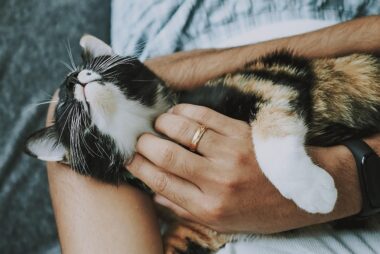

How to Prevent Your Cat from Escaping the Harness
When considering a harness for your cat, it’s essential to choose the right type for comfort and security. A good harness should fit snugly without being too tight, allowing your cat to move without restriction. It’s vital to measure your cat’s body accurately before purchase. Use a flexible measuring tape to measure around the chest and neck area. Choose a harness designed specifically for cats rather than dogs, as their body shapes differ significantly. Additionally, consider a harness with adjustable straps, which allows for a more personalized fit. Check if the harness has safety features such as quick-release buckles. Opt for materials that are breathable and soft to prevent irritations. An uncomfortable harness may make your cat resistant to wear it. Based on reviews online, many cat owners prefer those harnesses designed for escape prevention. Additionally, look for harnesses that distribute pressure evenly, making them more comfortable. To see different styles or read customer reviews, you can browse websites specializing in pet accessories. Proper selection is the first step toward ensuring your cat’s safety while enjoying outdoor exploration.
Introducing your cat to a harness requires patience and gradual acclimatization. Start the process indoors, allowing your cat to sniff and explore the harness. Place it next to their favorite resting spot to get them accustomed. You can also reward them with treats to create positive associations. Once they seem comfortable with the harness, gently put it on your cat without fastening it. Let them wear it for a few minutes and gradually increase this duration. Monitor their body language closely; if they show signs of distress, take a step back. After that, once they seem relaxed, fasten the harness but leave it loose for the first few times. Once they adapt to wearing it, you can gradually tighten it to ensure a secure fit. However, be sure it’s not too tight to avoid discomfort. You can also take breaks to avoid overwhelming your cat. Leaving the harness on while engaging in play can help them associate the harness with fun experiences. Consider making the experience as rewarding as possible for your cat, as this will set the foundation for outdoor adventures ahead.
Choosing the Right Harness for Your Cat
To further increase the chances of successfully using a harness, it’s crucial to focus not just on fit but also on the design. Various models suit different needs—consider the escape-proof harnesses that have been specifically engineered to prevent escape artists. These often come with additional loops and more comprehensive coverage, ensuring they can’t wriggle out. Look for designs that provide additional security, like a vest-style harness that provides more surface area and stabilizes your cat during movement. You also want to ensure your chosen harness doesn’t put undue stress on your cat’s neck. Some harnesses employ a Y-shaped design, distributing pressure evenly and preventing strain on their neck. The materials should be safe and durable, as even the best designs might wear down in time. Lastly, check that fastenings and clips are sturdy and simple to operate, yet secure enough to withstand energetic play and squirming. A well-chosen harness can turn outings into a joyful experience, preparing your cat for memorable adventures while keeping them contained and safe.
Regular training sessions can solidify your cat’s comfort with the harness. If you plan to take your cat outdoors, make practice sessions a routine. A leash can be introduced for walks around the house or yard. Allow your cat to explore their environment tethered to you, which can ease them into the experience of being outside. This gradual method helps lessen apprehension about outdoor spaces, which may seem daunting initially. It’s crucial to keep the leash short enough to manage but long enough for your cat to explore without feeling restricted. Avoid suddenly pulling or yanking, as this can frighten them and create negative associations. Whenever your cat approaches you or walks calmly, offer treats to reward positive behavior. During these practice sessions, ensure your cat associates their harness and leash with fun and positive experiences rather than a forced situation. Continue gradually working up to more open environments, keeping a watchful eye for any signs of stress. With enough patience and practice, your cat can enjoy enjoyable outdoor experiences without compromising safety.
Supervising Outdoor Time
As you venture outdoors with your cat in their harness, supervision is vital for safety and reassurance. Start in a secured area, like a yard or park where you can keep an eye on them. During these outings, remain attentive to your cat’s body language. If your cat seems anxious, it’s wise to retreat to a space where they feel comfortable, even if it means going home early. Walk slowly and let your cat dictate the pace—they may want to investigate various scents or sounds. Keep the walking space low-stress and manageable. If they get scared by something sudden, such as a loud noise, gently retrieve your cat and comfort them. If they seem curious about other animals, maintain a secure grip on their harness to prevent escapes. Also, be cautious about the weather conditions; extreme heat or cold can affect your cat’s comfort levels. Plan outings during temperate weather, keeping your cat’s well-being your priority. When done correctly, these interactions will build a positive association with outdoor adventures, allowing them to feel adventurous while being back safely.
Another critical aspect of preventing escape is ensuring the harness remains effective over time. Regularly inspect the harness for signs of wear, such as fraying or broken fastenings. Cats can be quite active, and harnesses can wear down with repeated use. Moreover, if your cat is still growing, check whether the harness still fits properly. You can readjust the straps as needed, but make a habit of checking them before every outing. As your cat matures, you may need to purchase a new harness altogether to ensure safety and security. If you notice your cat slipping out during walks, consider investing in a different style designed to secure better. Testing the fit by performing a quick tug is also advisable to ensure it remains secure as you walk. Correct adjustments help to prevent potential escapes and keep your cat safe during outdoor explorations. Maintaining the harness’ integrity ensures both your peace of mind and your cat’s safety regardless of the space explored. When you take the time to assess and adjust, you contribute to lasting adventures.
Rewarding the Journey
Positive reinforcement during outings will help strengthen your cat’s trust and enjoyment of wearing the harness. Each successful excursion can be celebrated with treats or extra snuggles, especially after particularly adventurous moments. These rewards encourage your cat to view harness-wearing as something positive rather than restrictive. After going on walks, consider bonding with your cat over a playful session with their favorite toys. This can reinforce the notion that harnessed adventures lead to fun and good treats. Be mindful of their preferences; considering titbits as rewards will build an even stronger bond. If your cat doesn’t seem fond of some treats, experiment with various options to discover what they find rewarding. Consistency is vital; ensure that rewards are given each time during matches so your cat begins to develop an expectation of positive outcomes. Furthermore, keeping a cheerful tone while outside can also be motivating for them. Your mood can influence their behavior, so experiment with upbeat encouragement. With genuine connections and positive experiences, your cat will thoroughly enjoy their adventures, connecting you both as a team.
Lastly, every cat has their personality, and each one might react differently to harnesses and outdoor experiences. Some cats may be adventurous, while others take time to adjust or may never entirely embrace the idea. Observing their reactions can provide important insight into their comfort levels and what approaches might suit them best. For cats that are particularly sensitive or prone to anxiety, you might need to take even longer to adapt them to the harness. If your cat resists or displays fearful behavior, don’t force them. Utilize alternative strategies such as walking with them indoors first, or allowing them outdoor time while keeping it to a safe distance. Some cats thrive better in a carrier taken outdoors instead of a harness. You should prioritize your cat’s happiness and comfort to ensure the best experiences. Let your cat guide you in this journey, adjusting your expectations and plans as needed. Your focus on understanding them enhances the bond and fosters a reassuring environment, no matter how long it takes. This way, your cat will appreciate outdoor time, whether on a leash or in more comfortable situations.