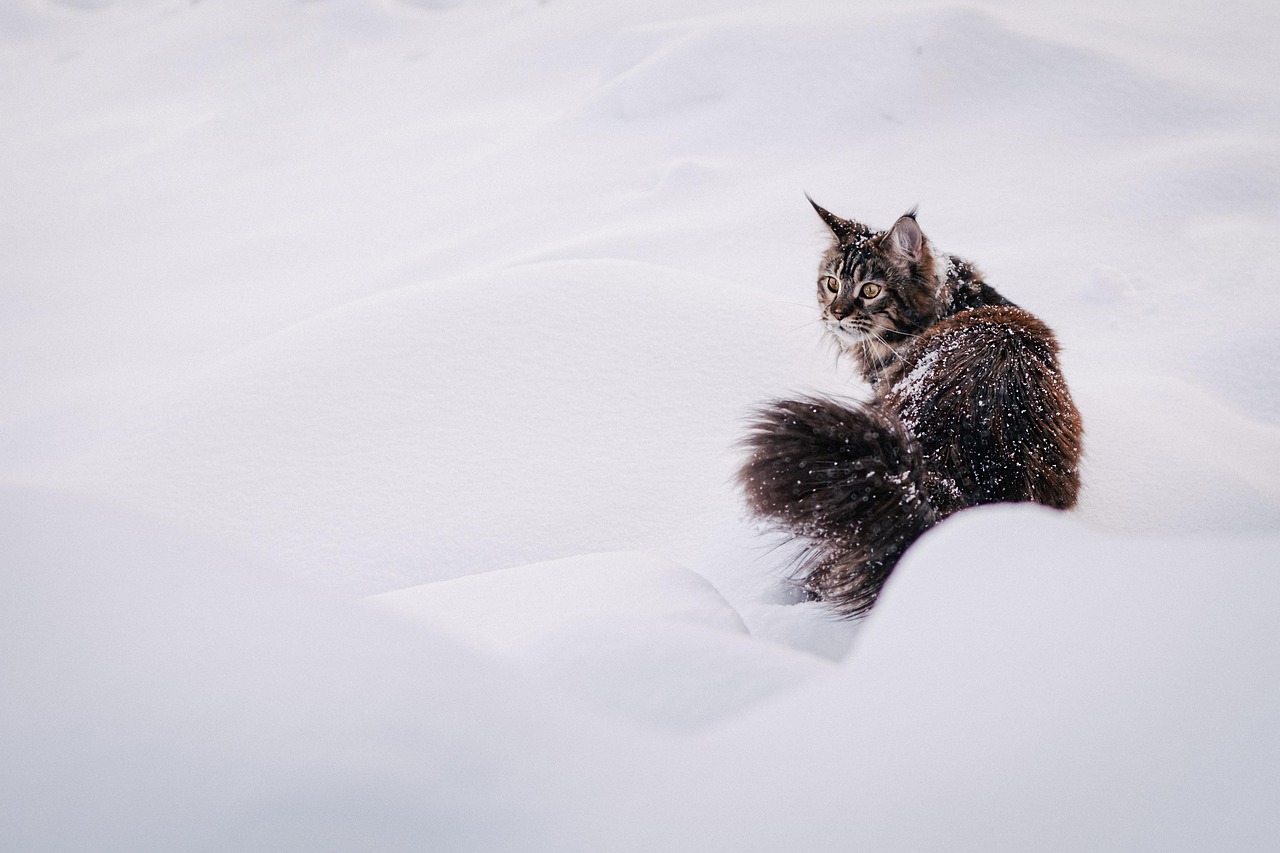

Winter Care Tips to Protect Your Cat from Parasites
During the cold winter months, keeping your cat safe from parasites is crucial for their overall health. One common issue is fleas, which can persist in homes even during colder weather. Ensure your home is clean to minimize flea infestations. Regularly vacuum carpets and upholstered furniture to eliminate hidden pests. Besides fleas, ticks can also be a concern in snowy areas where wildlife might wander. Use preventive treatments recommended by your veterinarian. This is essential because some parasites can survive cold temperatures. Even when it’s snowy outside, your feline may bring them inside when they go outdoors. Regular grooming is vital. Utilize a comb to check for any signs of parasites. If you discover any, treat them immediately to prevent further complications. Additionally, ensure that your cat does not come into contact with wildlife. Keeping them indoors during winter helps protect them from infections and diseases carried by these animals. Create an engaging indoor environment with toys and activities. This will lessen their desire to explore outside and make them far less susceptible to parasites. Remember that maintaining their health is crucial. Monitor their condition regularly.
Another important aspect of winter care involves checking your cat’s diet. During cold weather, cats can require more calories to maintain their body temperature. Providing fully balanced meals contributes significantly to their immunity against parasites. Consider consulting a veterinarian for dietary recommendations tailored to winter conditions. Hydration is equally essential during winter, as indoor heating can cause dehydration. Ensure that your cat has access to fresh water. Dried foods can lead to lack of moisture in your cat’s diet. Offering wet food can help maintain hydration. Additionally, make sure that their water bowl is located in a warm area, as some cats may not drink cold water as frequently. Keep an eye on their litter box as well. Changes in frequency or consistency of litter use can indicate illness. Prompt attention in these cases can prevent potential parasite infections that thrive on unclean conditions. When winter weather is at its worst, providing a clean and warm living space becomes critical for their overall health. This contributes to their well-being, making them less vulnerable to health issues, including parasites and other diseases.
Winter Grooming Techniques to Prevent Parasites
Grooming your cat regularly, especially in winter, helps in detecting parasites early. When grooming, check for signs of fleas, ticks, or any skin issues. Fleas are notorious for infesting cats, and winter doesn’t eliminate them. Using a flea comb can help you remove these pests effectively. If fleas are found, consult your veterinarian for treatment options. Grooming aids in maintaining their coat’s health, ensuring your cat stays warm. A well-groomed coat can handle colder temperatures better compared to matted or dirty fur. Pay special attention to under the belly, behind the ears, and in between their toes, as these areas can hide parasites. Bathing your cat might be necessary if they develop a skin condition. Consult your vet on proper washing techniques and products suitable for your cat. Make sure to use shampoos that are specifically designed for cats to avoid adverse reactions. Giving your cat a relaxing environment during grooming will make the experience more positive for both of you. Regular grooming not only creates bonding opportunities but plays a crucial role in parasite prevention and your cat’s mental health.
The temperature fluctuations of winter can strain your cat’s immune system. Therefore, regular vet check-ups during this season are vital. Annual vaccinations play a key role in protecting your cat from parasites such as heartworms and other infections. To minimize risks, ensure your pet is up to date with their vaccinations. Regular deworming is also an important factor, as some parasites can remain dormant and wreak havoc later. Your veterinarian can recommend appropriate deworming schedules based on your cat’s lifestyle. Consider lifestyle changes during the winter. Indoor living ensures that your cat is less exposed to parasites. Many parasites thrive in warmer environments, so limiting outdoor access can be the most effective strategy during this season. Educating yourself about the different types of parasites that affect cats can also help you take preventative measures. This added knowledge will empower you to spot potential issues early. Lastly, consider providing enriched indoor environments. Offer toys, climbing structures, and scratching posts to keep your feline engaged and healthy, further decreasing the risk of outdoor contact and subsequent parasite exposure.
Keeping the Environment Clean for Your Cat
Winter leads to various changes in your cat’s environment, some of which may foster parasitic infestations. Keeping your home clean is paramount in curtailing these risks. Frequently wash your cat’s bedding in hot water to eliminate any lingering parasites and their eggs. Using products specifically designed for killing pet parasites can also benefit your cleaning routine. These products ensure a safe environment while effectively removing pests. Don’t forget to clean the spaces under furniture, where debris accumulates and could harbor fleas or ticks. Regularly vacuuming carpets is critical as well. This process not only removes pet hair but also reduces potential bug habitats. Make sure to dispose of the vacuum bag or empty the canister outdoors. Additionally, cleaning the litter box daily is essential during winter months when cats might spend more time indoors. Parasitic eggs can develop if litter is left unclean. By keeping the litter box clean and fresh, you can significantly reduce potential issues. This simple maintenance task promotes hygiene and reduces parasite risks, encouraging a healthier environment for your beloved feline friend.
Another beneficial aspect during the cold is ensuring proper shelter if your cat goes outdoors. Even if inside, prepare well-ventilated resting areas for your cat. This will allow the temperature and airflow to remain warm and comfortable. Insulating these spaces will also deter wild animals from entering, reducing the likelihood of your cat encountering parasites. Make sure their resting areas are well off the ground and away from drafts. For outdoor cats, consider building or purchasing a cat house to provide safe refuge from cold weather. If your cat is not accustomed to staying outside, avoid leaving them out during extreme temperatures. The outdoor climate can be harsh, increasing their vulnerability to various health issues, including parasite infections. Reducing outdoor time can significantly lower their chances of encountering parasites. However, if your indoor cat desires to explore, monitor their outdoor time. Limit exposure to areas where they might encounter wild animals or other sources of parasites. Keeping a close eye on your cat can greatly diminish health risks affiliated with outside environments, especially in winter. Your attentive care is vital in maintaining their health.
Conclusion: Vigilance for a Healthy Cat
As winter unfolds, being proactive in caring for your cat against parasites is crucial. It involves multi-faceted approaches, such as ensuring proper indoor hygiene, regular grooming, and timely veterinary check-ups. Keeping an eye on their diet and hydration will fortify their immune system. Remember, some parasites can be operatively dormant, striking when least expected. They could pose health risks through skin conditions or internal issues. Staying informed about winter-related risks will empower you to take necessary actions. Maintaining regular cleanings, monitoring them closely, and providing a safe living space contributes to parasite control. By implementing these winter care tips, you create a generally healthier and happier environment for your feline. Remaining vigilant helps you catch possible signs before they escalate into serious problems. You should also educate family members about these best practices. Encourage them to participate. Together, you can cultivate a healthy winter season. As loved ones, ensuring your cat’s well-being is a shared responsibility. By working collectively, you can boost your cat’s resilience against parasites, making the cold winter months just as pleasant for them as any other time of the year.
Your cat’s journey towards parasite control during winter starts with your curiosity and involvement. Continue seeking expert guidance and adjusting routines to enhance your cat’s well-being year-round.