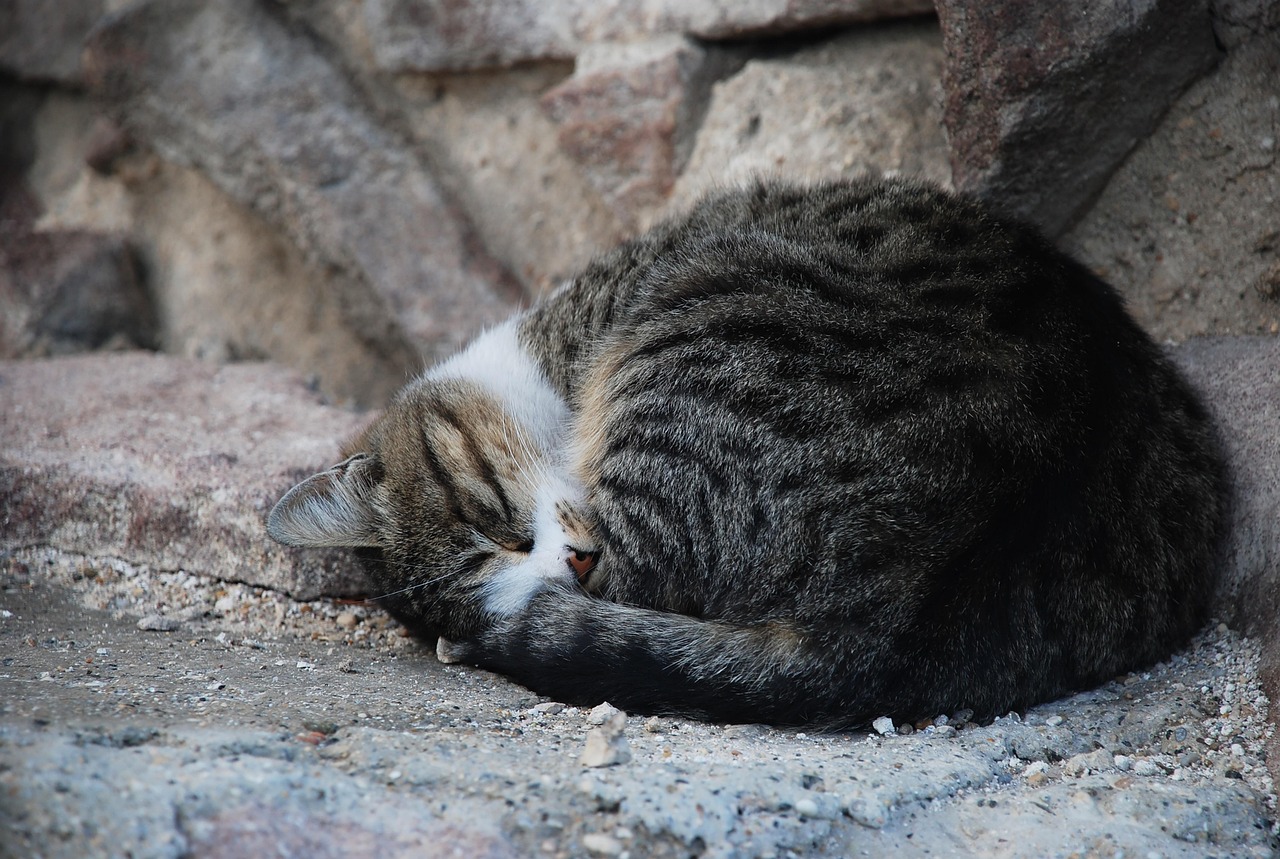

Decoding Your Cat’s Sleep Patterns: What Every Parent Should Know
Understanding your cat’s sleeping habits is crucial for effective cat parenting. Cats are known for their unique sleeping patterns that can perplex the best pet owners. On average, cats sleep between 12 to 16 hours a day, but this number can vary significantly based on age, health, and individual personality. Younger cats and kittens tend to sleep more, while older cats might sleep less as they may suffer from health issues. Understanding how and when your cat sleeps can help you create a comfortable environment catered to their needs.
It is essential to know that cats are naturally crepuscular, meaning they are most active during dawn and dusk. This behavior harks back to their hunting instincts, as many of their prey were also active during these times. As a cat owner, you may notice that your feline friend is most playful and energetic during the hours when the sun is down. To foster healthier sleeping habits, establish a routine that aligns with your cat’s natural behaviors. Engage them in play during the evening and provide a comfortable resting area for when they need to nap.
Many parents wonder why their cats seem to sleep so much. The answer lies in their biology, as cats conserve energy for hunting. They experience different sleep cycles that help them recharge for their next burst of activity. Cats enter REM (rapid eye movement) sleep, much like humans, which is essential for their overall health. It is during REM sleep that they dream, potentially processing what they have experienced during the day. Ensuring your cat can achieve quality sleep is as important as their active playtime, and the right environment can enable this to happen.
Sleep is critical for your cat’s health and well-being. A consistently good sleep pattern allows cats to maintain their mental and physical health. Inadequate sleep may cause anxiety, irritability, or behavioral issues. You’ll want to monitor your cat’s sleeping habits over time to identify any changes and address them as needed. If you notice drastic alterations in their sleep schedule, such as increased restlessness or a sudden increase or decrease in sleep duration, scheduling a visit to the veterinarian is wise. Early detection can prevent underlying issues from worsening.
Creating a Comfortable Sleeping Environment
A conducive sleeping environment is vital for your cat’s health. Cats will instinctively seek out cozy spaces, so providing comfortable sleeping areas is essential. Soft bedding in quiet corners is ideal since it allows them to feel secure and at ease. Elevated spaces or cat trees can also serve as resting spots that provide both comfort and a view of their surroundings, which is part of their natural instincts. Experiment with different locations and bedding materials to find out what your cat prefers most.
Temperature plays a significant role in your cat’s preference for sleeping spots. Cats often seek warmth, so consider where they like to sleep during the colder months. On chilly days, they may snuggle up in soft blankets or near a heating unit. Conversely, during hotter months, they may be seen sleeping on tile floors or in drafty areas of the house. Provide both warm and cool sleeping areas to ensure your cat has suitable options throughout different seasons, and they will move to their preferred spot on their own.
Feline sleeping habits can also be influenced by their safety. If your cat doesn’t feel secure in their environment, they may become anxious, which can lead to erratic sleeping patterns. Keeping an eye on household dynamics can help; ideally, ask family members to respect your cat’s need for peace. Furthermore, consider minimizing loud noises or chaotic scenarios around your pet’s sleeping area. Creating a sneak-proof space will signal to your cat that it’s time to relax, enhancing their overall sleeping experience.
Understanding Sleep Stages
Familiarizing yourself with the various sleep stages of your cat can provide additional insights into their behavior. Cats experience non-rapid eye movement (NREM) sleep before entering REM sleep, demonstrating that they can fall into very deep sleep when they feel safe. It’s typically during the lighter stages of NREM sleep that cats may be startled or easily awakened. These natural sleep cycles happen multiple times throughout the day. Recognizing these stages can help you gauge your cat’s restfulness and general health.