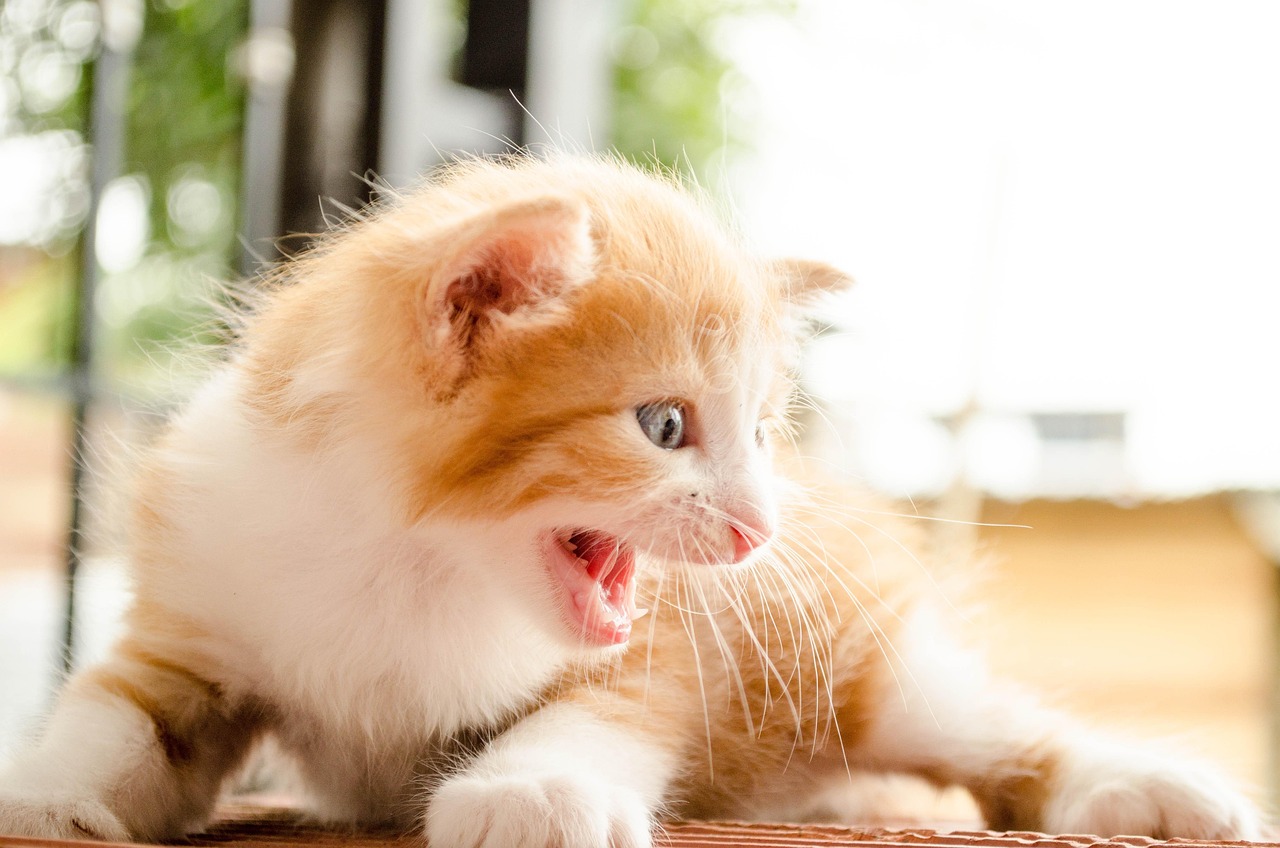

Step-by-Step Guide to Behavior Modification for Aggressive Cats
Understanding aggression in cats is vital for cat owners facing these challenges. Aggressive symptoms can manifest in various ways, including growling, hissing, biting, or swatting. Many factors can contribute to this behavior, including fear, territoriality, and past trauma. It is essential to take a compassionate approach when addressing aggression, allowing the cat to express its feelings without punishment. Assessing the triggers is the first essential step. Observe your cat’s surroundings to identify any specific stimuli that provoke aggressive reactions. It may be other pets, noises, or even human interaction. Taking notes on when aggression occurs will help create a pattern. Consider consulting with a veterinarian to rule out any medical issues that may cause aggressive behavior. Painful conditions can lead to irritability, thereby causing unusual aggression. Behavioral modification requires patience. Once identified, utilize positive reinforcement techniques, such as rewarding calm behavior with treats and affection. Distraction methods can also redirect negative behavior. Seek advice from a professional animal behaviorist for a tailored approach. Just remember, consistency is key in instilling long-term changes in your cat’s behavior.
Fearful aggression is often seen in cats who feel threatened. This can occur due to abrupt changes, such as relocating to a new home, the introduction of a new pet, or changes within the household. To minimize fear-based aggression, it is crucial to create a secure environment for your feline friend. Allow your cat space and time to explore its environment. Establish safe zones where they can retreat when feeling anxious. Identify areas that may provoke anxiety and minimize those triggers slowly. Incorporating high places, such as shelves or cat trees, can help your cat feel secure and reduce aggression. Play therapy can also be effective in reducing fear and aggression. Engage in interactive play sessions to build a bond and improve their confidence. Use tools like feather wands or laser pointers to stimulate their hunting instincts, ensuring that playtime remains positive and enjoyable. Ensure that play does not escalate to aggressive behavior, and stop if the cat becomes overstimulated or starts acting out. Introducing calming products, such as pheromone diffusers or calming collars, can provide additional support during these times of transition.
Utilizing Training Techniques
For behavioral training, positive reinforcement is the most effective method. Offering rewards for desirable behavior increases the likelihood that your cat will form positive associations with specific settings or situations. When training your cat, remain consistent with verbal cues and actions. Use treats, praise, or toys as rewards to reinforce good behavior. If your cat exhibits aggressive behavior, avoid using punishment, as this can lead to fear and further aggression. Instead, redirect their focus to more desirable activities. When your cat begins to show calmer behavior, reinforce it immediately. Gradually train your pet to accept social interactions with other cats or humans through controlled introductions. Always allow your cat to set the pace during these interactions, providing them with the opportunity to retreat if needed. Consider using clicker training to mark good behavior instantly. This method can speed up the learning process. Try training sessions in quiet environments to reduce distractions. Keep sessions short, around 5-10 minutes, to maintain your cat’s attention. Repetition is essential in reinforcing learned behaviors. With time, your cat can adjust to its environment and exhibit less aggressive behavior.
When introducing new members to your household, take careful steps to avoid aggression. This is especially true when introducing other pets or children. Gradually introduce your cat to new family members in a controlled manner, keeping the initial interactions brief and positive. Allow your cat to explore the new presence at its own pace. Provide a comfortable space where your cat can retreat if it feels overwhelmed. Implementing a slow introduction plan can significantly reduce stress and aggression. Use scent swapping techniques, where new scents are introduced subtly to your cat, creating familiarity without direct contact. Once the cat seems comfortable, proceed to supervised meetings. Always monitor interactions closely. Be ready to separate them should aggressive responses occur. Never force interactions as this could lead to fear and mistrust, intensifying aggressive behavior. Remember that different cats have different socialization timelines. Continuing to ensure a harmonious environment is vital for successful introductions. Obedience and basic commands can help reinforce positive interactions with new family members. Keep in mind that creating and maintaining a peaceful atmosphere is a priority in overcoming aggression issues.
Managing Cat Aggression in Households
Managing cat aggression in a household involves maintaining order to support healthy behavior. Ensure each cat has its own space, including separate litter boxes and feeding areas. This setup minimizes competition for resources and can significantly reduce territorial aggression. Regularly clean common areas, ensuring smells and scents do not trigger aggressive tendencies. Be consistent with your socializing strategies and be attentive to individual cats’ needs. Adult cats may resist social interactions more than kittens, so tailor your techniques accordingly. Consider creating a routine that involves regular play, feeding, and grooming. This consistency encourages trust and security in your feline companions. Interact with them routinely in a calm, loving manner, strengthening your bond. Observing your cat’s body language is key; be sensitive to their emotions and avoid actions that upset them. If fighting occurs among cats, use distraction techniques rather than intervening physically. Noise or distraction toys can redirect their focus. If aggression persists, consulting behavioral experts is essential. They can provide insights and techniques tailored to your household’s specific dynamics.
Creating a stimulating environment at home can alleviate stress and curb aggression. Boredom often leads to increased aggression in cats. Provide ample entertainment through cat trees, interactive toys, and puzzle feeders. Rotate toys frequently to maintain their interest and stimulate mental engagement. Encourage physical activities by engaging your cats in supervised playtime. Cats exhibit predatory instincts through play, allowing them to channel energy positively. Integrating outdoor access, if feasible, enhances stimulation and personal exploration. Building a secure outdoor enclosure allows cats to experience nature while remaining safe. Implementing play breaks throughout the day can also help dissipate any tension caused by boredom. Setting up various play stations with different toys can be beneficial, promoting interactive play between multiple cats. Invest in engaging toys that challenge your cat mentally and physically. Things like feather wands, crinkle balls, or taste-testing puzzles can ignite enjoyment while redirecting aggressive tendencies. Remember that providing enrichment opportunities is essential for mental well-being. Cat aggression may stem from misunderstood emotions, and an engaging environment can significantly impact behavior positively.
Conclusion and Ongoing Reassessment
In conclusion, behavior modification for aggressive cats requires patience, understanding, and consistency. Keep in mind that every cat is unique, so ongoing assessment of their behavior and environment is necessary. Consider maintaining a training log to document progress and setbacks. This log can help you identify patterns and triggers throughout the training process. Be attuned to your cat’s body language, as it conveys their feelings and reactions in real-time. Regularly reassess their environment to ensure it is rewarding and devoid of stressors. Implementing changes is key to making the training process effective. The journey of dealing with an aggressive cat requires owners to adopt a firm yet compassionate approach. Always celebrate small achievements; even slight improvements signify progress. Revisit techniques that have proven successful while discarding those that do not yield results. Collaborating with trainers and behaviorists can provide valuable insights and adjustments. Share experiences with other cat owners who might understand your challenges. Enjoy the discoveries of building a bond with your cat, as patience and love will ultimately foster a peaceful coexistence.