
Environmental Factors That Trigger Digging in Dogs
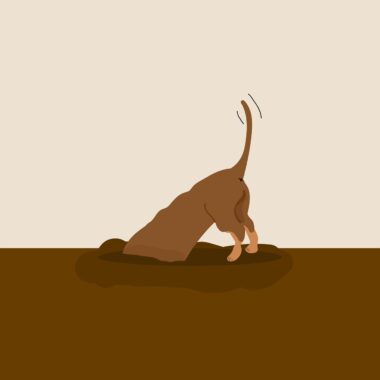
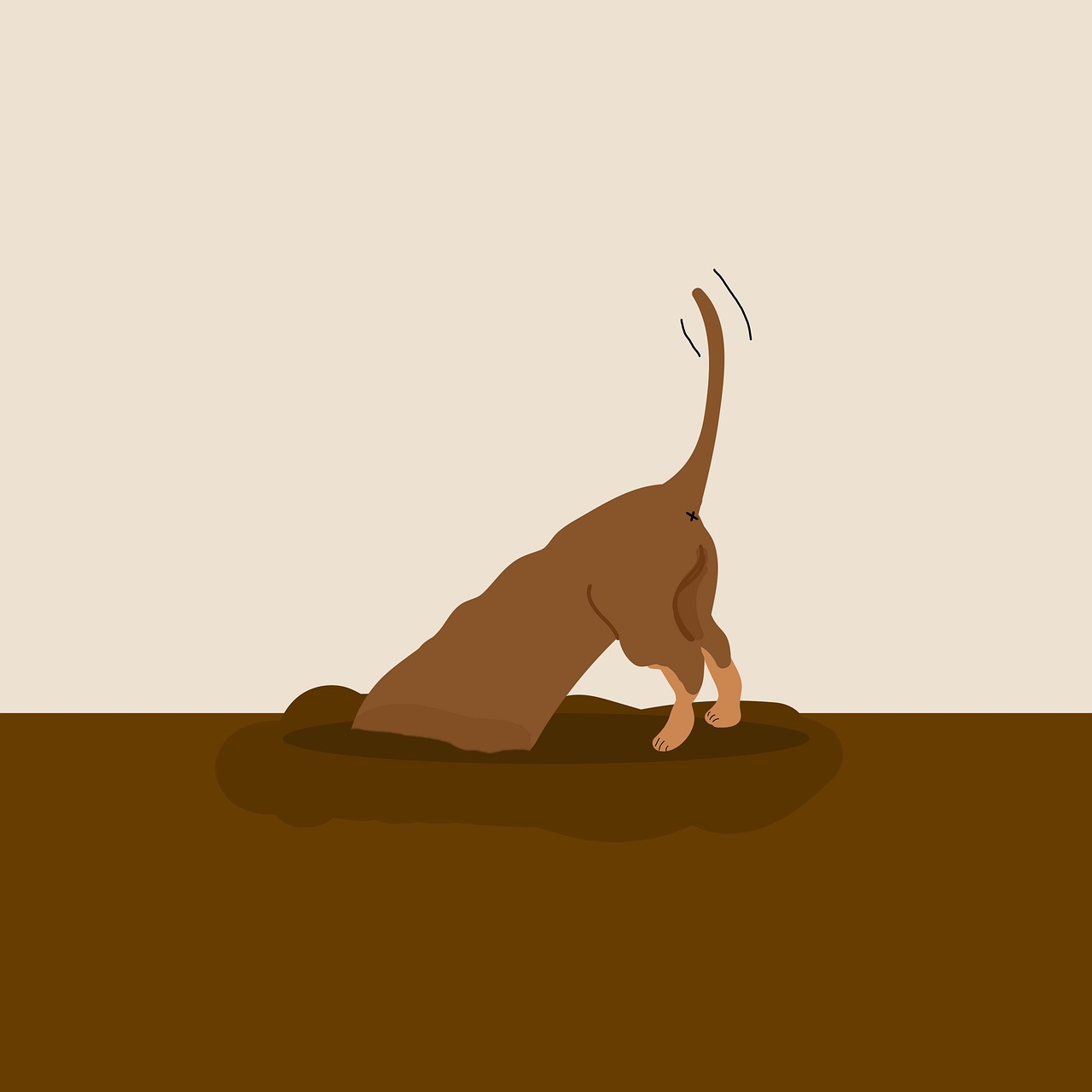
Understanding why dogs dig is essential for pet owners. Digging behaviors can be prompted by a variety of environmental factors. One key factor involves changes in weather conditions, particularly extreme temperatures. For instance, when the ground is too hot or cold, dogs might dig to find a comfortable spot. Additionally, heavy rains may cause them to seek shelter. Another aspect is the presence of interesting scents buried underground, which can trigger their natural hunting instincts. Dogs often dig to uncover fascinating scents left behind by other animals. In neighborhoods with a lot of wildlife, dogs can become particularly curious. Boredom also plays a significant role in why dogs dig. Without adequate stimulation from play or exercise, dogs may dig simply for entertainment. Owners should recognize the signs of boredom and provide proper enrichment, such as toys and activities. Furthermore, some dogs have a natural digging tendency due to their breed characteristics, as certain breeds were developed for tasks that involved digging. Understanding these factors is crucial for addressing undesirable digging behavior effectively.
Another significant environmental factor influencing digging behavior is the dog’s need for attention. Dogs are social creatures and often dig as a way to regain their owner’s focus, especially when they feel ignored. This digging can manifest in both indoor and outdoor environments, reflecting their desire for interaction. When left alone, many dogs may dig to alleviate feelings of loneliness. It is essential for owners to recognize that this behavior is a plea for engagement. Regular one-on-one activities can help combat this issue. Moreover, puppies are particularly more prone to exploring their environments through digging, as it is part of their developmental stage. Positioning a puppy with appropriate distractions can often prevent destructive behaviors. Seasonal changes also influence canine behavior. For instance, during the spring, many dogs dig to bury bones or toys they want to hide for later. During fall, some dogs dig in search of burrowing animals. Seasonal fur changes may also prompt digging as dogs seek relief and comfort. Recognizing these patterns can help owners adjust their dog’s environment and reduce the likelihood of unwanted digging.
The Impact of Outdoor Environment
The outdoor environment plays a crucial role in encouraging digging behaviors among dogs. Gardens and yards filled with plants, flowers, and insects can attract a dog’s attention significantly. Some dogs dig to investigate the excitement of critters hiding below the soil, such as worms or other bugs. In urban settings where cement and minimal natural flora predominate, dogs may dig more intensely in search of any sniffable remnant of nature. Owners should monitor their dog’s surroundings, as environmental stimuli can incite their digging instincts. Additionally, backyards next to other animals can intensify the urge to dig, as dogs often respond to the sounds and scents of neighboring pets. Reinforcing boundaries and ensuring a dog has a safe space can make a difference. Whether due to curiosity, instinct, or simply the dog’s desire to move around, owners must engage with their pets actively. Lack of interaction with other pets can lead to an innate need for digging. Incorporating play dates with other dogs can tremendously cut down on this digging behavior, fostering healthy relationships and satisfying their social needs.
Another environmental factor is the dog’s physical condition, particularly regarding health issues that can be linked to digging. Dogs may dig as a response to discomfort or pain that needs addressing. This might include conditions like allergies, arthritis, or skin irritations. When dogs dig, they may be trying to relieve itching sensations caused by allergies. They could also exhibit digging behavior due to stress or anxiety from changes in their surroundings, such as moving to a new home. Increased digging can be a sign that an underlying physical issue needs examination. Pet owners should be vigilant in observing any changes in their dog’s behavior, including excessive scratching or digging. Providing them with suitable medical care will often mitigate these behaviors. Additionally, if a dog has been spayed or neutered, it may lead to behavioral changes, including digging. A dog’s environment should provide a secure, comfortable space that minimizes stressors. It’s beneficial to maintain regular vet check-ups to monitor overall health and address any underlying conditions early on to curb excessive digging behavior.
Digging Due to Natural Instincts
Dogs have innate digging instincts that can often lead to unwanted behaviors. This natural tendency can be traced back to their ancestors, who dug to create shelters, hunt for food, or find a cooler place in the earth. Breeds like terriers and retrievers were bred for digging due to their function in hunting animals. Understanding these instincts is crucial for managing digging behavior. For example, terriers typically dig when they detect movement underground, trying to capture their prey. Providing suitable outlets for these instincts can mitigate unwanted digging. Encouraging supervised play sessions where digging is encouraged in designated areas, such as sand pits, can redirect the behavior positively. In addition, pet owners can train their dogs to dig in specific locations by burying toys or treats as incentives. This redirection serves to satisfy their natural instincts while preserving the rest of the garden or yard. Furthermore, utilizing positive reinforcement techniques can promote desired digging behaviors while allowing owners to control where and when the digging occurs. Addressing instincts with understanding can create a harmonious relationship between dogs and their environments.
Moreover, a lack of appropriate physical activity plays a significant role in digging behavior. Dogs that receive insufficient exercise may resort to digging as a way to release pent-up energy. This behavior can be particularly prevalent in highly energetic breeds, which require more physical stimulation. Without regular walks or play sessions, these dogs might dig to burn off excess energy or relieve boredom. Regular structured exercise can significantly reduce undesired digging behavior. Owners should establish a routine that includes daily walks and interactive playtime to provide mental and physical challenges. Furthermore, incorporating puzzle toys and games can help keep dogs mentally engaged. Providing consistency in exercise schedules should also be a priority. Enrichment activities, including agility training or scent work, stimulate a dog’s mind while ensuring they expend energy. Additionally, recognizing the importance of exercise as part of a pet’s daily life is crucial for building a healthy routine. Active dogs are generally less prone to destructive habits, including digging. Route changes or introducing new challenges in play can sustain interest and minimize unwanted behaviors effectively.
Solving the Digging Dilemma
In conclusion, managing digging behavior requires understanding the various environmental influences that affect dogs. Owners need to observe their dog’s behavior closely in order to identify the trigger. Addressing the underlying cause—be it stress, boredom, or curiosity—can help create effective solutions. Providing mental stimulation, ensuring proper exercise, and offering interactive toys can significantly reduce unwanted digging behavior. Additionally, redirecting digging instincts to designated areas is beneficial. Engaging dogs with appropriate activities and training can prevent frustration and alleviate the need to dig. A supportive environment that caters to a dog’s instincts and needs will minimize the likelihood of digging. Furthermore, seeking the advice of a professional trainer or veterinarian can add valuable insights into each dog’s specific behaviors. With the right strategies in place, digging can be managed effectively. Owners must remain patient and consistent while working with their dogs. Ultimately, with understanding and persistence, digging can be a behavior that enhances rather than disrupts the bond between a pet and its owner, leading to more harmonious living conditions.
Owners should promote healthy habits to counteract digging, ensuring a balanced environment for their dogs. Regular interactions and routines can minimize stress and anxiety, pivotal in controlling digging behaviors. By following these practical guidelines, pet owners can better assist their furry friends. Creating a dog-friendly space indoors and outdoors can increase dogs’ comfort levels, reducing the urge to dig. Dogs thrive best in environments that fulfill their needs, making proactive measures essential for nurturing dogs and providing enriching experiences. Such efforts pave the way for a fulfilled dog that doesn’t resort to digging.