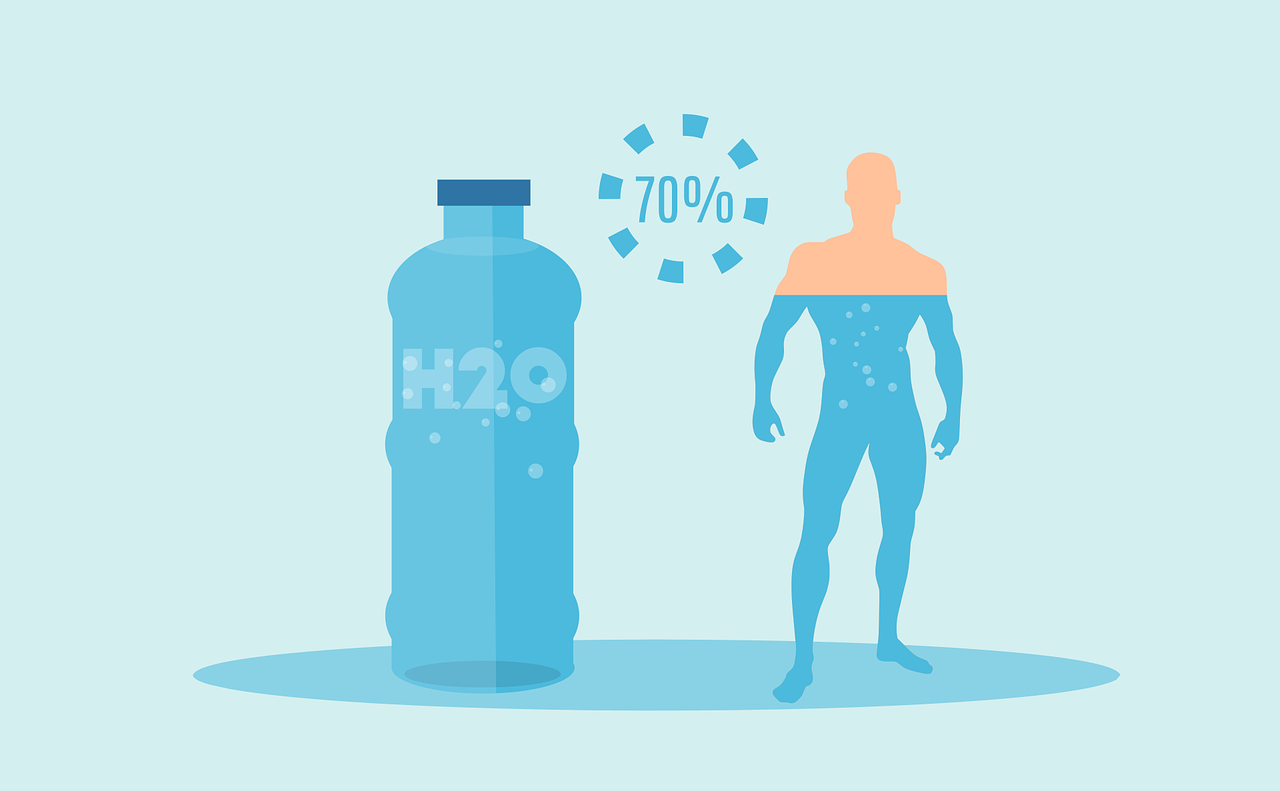

The Importance of Hydration in Cats During Recovery
Hydration is a critical component of recovery for cats who have been ill or undergone surgical procedures. A well-hydrated cat exhibits better overall health and can recover more quickly than one that is dehydrated. Cats are notorious for not drinking sufficient water, which can be aggravated during times of recovery. Illness often affects their natural thirst response, making it crucial for pet owners to ensure their felines consume enough fluids. Dehydration can exacerbate health issues, leading to complications such as kidney problems or urinary tract infections. Ensuring your cat has access to fresh water at all times is essential. Consider offering multiple water sources, including bowls and pet water fountains, to encourage drinking. Wet food can also be a beneficial addition to a cat’s diet during recovery, providing moisture along with essential nutrients. If you’re concerned about your cat’s hydration levels, observe their behavior closely. Signs of dehydration include dry gums, lethargy, and skin that does not spring back when tugged. If in doubt, consult a veterinarian for hydration strategies tailored to your cat’s condition.
One effective approach to increase your cat’s hydration is through the use of flavored water or electrolyte solutions specifically designed for pets. These solutions can entice even the most reluctant drinkers to consume more fluids. Always ensure any flavored product is safe and approved for feline consumption. Adding small amounts of tuna juice or low-sodium chicken broth to their water can provide the necessary flavor boost that encourages drinking. Additionally, it’s important to monitor how much water your cat is consuming daily. While it’s common for cats to drink less water compared to dogs, during recovery periods, individuals may need to consume more. Regular vet visits can help track hydration levels and overall health. Ensure your cat’s living environment is stress-free, as stress can contribute to decreased water intake. Eliminating noise and providing a comfortable space can promote drinking. Some cats may prefer drinking water directly from a bowl, while others may enjoy running water from a faucet. By experimenting with water sources, you can find the best option for your pet, keeping them hydrated and aiding in their recovery.
Water Intake Tracking
Tracking your cat’s water intake is a useful practice, especially during recovery. This can be done by measuring the amount of water filled in their bowl at the beginning of the day and checking how much is left later. Various hydration tracking apps can assist pet owners in maintaining this information. Monitoring changes in drinking patterns can indicate health concerns. For instance, decreased intake may suggest underlying medical issues that need addressing. Conversely, an increase in water consumption may signal that your cat is recovering well. If you notice any drastic changes in diet or behavior, it’s imperative to consult your veterinarian. Keeping a diary of your cat’s drinking habits also helps in follow-up visits to the vet. Understanding whether your cat is drinking enough will empower you to adjust feeding and water tactics. Remember, hydration isn’t solely about water consumption. Environmental factors, like temperature and humidity, can also play a part in water consumption. Always strive to provide a calm and vigilant environment, which not only encourages drinking but also supports overall wellness during recovery.
In addition to ensuring hydration through water, incorporating wet food into your cat’s diet is another effective strategy. Canned food contains a significant amount of moisture that can boost your pet’s fluid intake. Many cats find wet food more palatable compared to dry food, encouraging them to eat more, thus assisting in their recovery. When introducing wet food, ensure that it is of high quality, rich in nutrients essential for healing. Consult your veterinarian about suitable options tailored to your cat’s specific health requirements. It’s also advisable to gradually transition to wet food to prevent digestive upset. Mix it with dry food if your cat is accustomed to a kibble diet, ensuring a smooth dietary change. This dual approach of enhancing water and food intake is crucial in supporting recovery and overall health. Monitoring your cat’s behavior when eating is essential. Look for any signs of discomfort or reluctance to consume food. If these issues arise, reach out to your vet for further guidance in adjusting their diet or addressing health concerns.
Hydration Tips for Cat Owners
Here are some practical tips to help maintain adequate hydration levels in your cat during recovery. First, always provide fresh, clean water daily to keep your pet interested. Change the water frequently, especially if you notice contamination or debris. Additionally, select water bowls that are safe and comfortable for your cat. Some cats prefer shallow bowls while others enjoy deeper ones. A pet water fountain can often be a great investment as it keeps the water flowing, enticing felines to drink more. Placing bowls in different areas of your home can also encourage exploration and drinking. Furthermore, try to avoid placing food bowls near water to avoid discomfort. Consider filling your cat’s bowl with ice cubes during warmer months. This keeps water cool and appealing while providing an engaging environment for your cat. Always observe your cat closely and adjust strategies if you notice any resistance. Engaging with your cat while they drink can promote a friendly atmosphere, encouraging them to hydrate more. Simple changes can enhance your feline’s hydration routine significantly, aiding recovery.
It’s important to remember that some illnesses may require specific hydration management strategies. Work closely with your veterinarian to develop a tailored approach for your cat’s needs. In certain cases, controlled fluid administration, through methods like subcutaneous fluids, may be necessary. This professional oversight ensures that cats receive the appropriate level of hydration, especially if self-consumption isn’t sufficient. Watch how your cat responds to hydration treatments; being alert to any signs of stress or discomfort can provide early warnings. Also, maintain a record of hydration and other treatment outcomes, which can streamline veterinary consultations. Staying proactive in your cat’s recovery journey can make a substantial difference. In serious health scenarios, your vet might recommend fluid therapy as part of your cat’s comprehensive recovery plan. Regular check-ins ensure that your understanding of your cat’s needs aligns with professional advice. Providing the right level of care will help replenish lost bodily fluids from illness or surgery. Ultimately, a well-hydrated cat is better equipped for recovery, showcasing improved energy and overall health outcomes.
Conclusion
In conclusion, hydration is paramount in the healing process for cats recovering from illness. Striving to ensure they drink enough water and incorporate wet food can significantly enhance their recovery journey. Tracking water intake, providing access to fresh water, and monitoring dietary habits are essential practices for all pet owners. Remember, every cat is unique, and understanding your individual’s needs will guide you in maintaining their health effectively. Engaging with your cat during water intake and making nutritious choices encourages a swift recovery. Always consult your veterinarian if you have questions regarding hydration strategies or dietary adjustments. Regular health checks and open communication with your vet ensure that your cat receives all the necessary support during their recovery process. Taking proactive steps now will cultivate a healthier future for your feline friend. By fostering a safe and loving environment, you can maximize hydration efforts, culminating in an overall improvement in their well-being. Show your cat extra love and support during this vulnerable time, ensuring they feel secure and cared for during their journey back to health.
Your participation in their recovery means everything. Never underestimate the power of proper hydration.