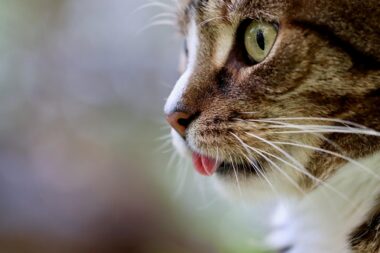

Signs Your Cat Needs Digestive Health Supplements
If you’re a cat owner, knowing how to recognize when your feline friend may need digestive health supplements is crucial. Cats can experience various gastrointestinal issues, which can lead to discomfort, weight loss, or poor overall health. One clear sign that your cat might need digestive support is frequent vomiting or regurgitation of food. This can indicate that their digestive system is stressed or unable to process food properly. In addition to vomiting, you may also notice inconsistent stool quality, whether it be diarrhea or constipation. Both of these symptoms suggest a need for greater digestive support. Another signal includes behavioral changes; if your cat becomes lethargic or less active, this may be due to digestive discomfort. Monitor your cat’s eating habits; sudden changes in appetite can reveal underlying digestive issues. Additionally, if your cat’s coat appears dull or lacks luster, it might mean that they’re not absorbing nutrients effectively. In some cases, extended episodes of gas or bloating can point toward digestive health problems. Prompt attention to these signs is essential for your cat’s well-being and comfort.
Beyond the signs already mentioned, you should look for other indicators that suggest your cat might require digestive health supplements. For instance, excessive grooming can manifest when cats are uncomfortable, especially due to digestive problems. If you observe your cat spending an unusual amount of time grooming itself, it could indicate nausea or discomfort. Pay attention to any unusual vocalizations or changes in behavior that might suggest anxiety related to eating. If your cat starts avoiding its food bowl or consistently showing aversion to meals, that might be a vital sign to consult your veterinarian. Additionally, weight fluctuations, whether sudden gain or loss, can also signify digestive health issues, demanding immediate attention. If your cat develops a bad breath odor, it could indicate an underlying digestive problem, particularly if persistent. For some cats, frequent hairballs can occur, suggesting inadequate digestion of fur and leading to intestinal blockages. Lastly, excessive thirst might occur due to digestive health challenges. Understanding these signs will help you to seek proper consultations and provide timely intervention for your cat’s health.
Understanding Digestive Health
Understanding your cat’s digestive health is a fundamental aspect of caring for your furry friend. The feline digestive system is intricately designed to process specific nutrients found primarily in meat products. A balanced diet is crucial for promoting a healthy digestive tract, but in some cases, supplements may be warranted to address deficiencies or underlying issues. Digestive health supplements typically contain beneficial ingredients such as probiotics, prebiotics, enzymes, and fiber, aiming to support the digestion and absorption of nutrients. Probiotics, for instance, can introduce good bacteria into your cat’s gut, enhancing overall gut flora balance. Prebiotics help feed these beneficial bacteria and support their growth, promoting a healthy gastrointestinal tract. Moreover, digestive enzymes assist in breaking down food components, facilitating better nutrient absorption. Essential fatty acids and additional fiber can also contribute to bowel regularity, decreasing digestive disturbances. It’s essential to evaluate various supplements’ specific formulations before introducing them to your cat’s diet. Always consult your veterinarian for guidance on appropriate supplements for your pet’s needs, especially if there are existing health concerns or unique dietary restrictions.
Another critical element to consider when addressing your cat’s digestive health is fluid intake. Dehydration can adversely affect digestion and lead to a host of other problems. Ensure your cat has access to fresh, clean water at all times, as hydration plays an essential role in aiding digestion and overall health. If your cat is reluctant to drink, you can try adding water to their food or offering wet food options. Similarly, environmental stressors can affect a cat’s digestive health. Cats are sensitive animals, and changes in their surroundings can lead to anxiety or stress-related digestives issues. Ensure your cat’s environment is calm and safe, reducing any potential triggers. Regular veterinary check-ups can help you monitor your cat’s digestive health, catching potential problems early. During these visits, discuss any changes in behavior or signs you’ve observed. Maintaining a healthy weight is also pivotal in supporting your cat’s digestive function; obesity can lead to various health complications, including digestive disorders. Stay alert; knowing your feline’s regular habits allows quicker identification of changes, leading to earlier possible interventions.
Optimal Diet for Digestive Health
To maintain your cat’s digestive health optimally, the right diet plays a crucial role in prevention. Cats are obligate carnivores, which means that their primary diet should consist of animal-based proteins. Quality cat food should always be your first option. Look for formulations rich in real meats while avoiding fillers and artificial additives. The inclusion of beneficial fiber sources, such as pumpkin or brown rice, helps regulate digestion and contributes to overall gut health. High-quality protein not only supports muscle maintenance but also plays a role in promoting normal digestion. Avoid sudden changes in diet, as this can lead to gastrointestinal upset; instead, transition to new foods gradually. Monitor portion sizes closely; feeding your cat the appropriate amount for its weight helps maintain optimal health. Limiting treats, and choosing healthy options can resonate positively with digestive health. It’s also important to consider feeding frequency; splitting larger meals into smaller portions can help prevent excessive bloating or gas. Keeping a consistent feeding schedule establishes routine, further improving digestive function. For optimal digestive health, provide your cat with a balanced and nutritious diet catered to its specific needs.
Understanding your cat’s individual dietary requirements is essential for promoting digestive health. Factors such as age, weight, and activity level significantly influence their nutritional needs. Kittens require higher caloric intake than adult cats, while older cats may benefit from diets tailored to senior needs for digestive and joint health. Always read the feeding guidelines on commercially-prepared foods while consulting your veterinarian for advice on ideal portion sizes. In some cases, you might consider incorporating homemade meals, ensuring they are balanced and nutritionally adequate. If you choose this route, be sure to include a variety of protein sources and consider supplementation to ensure they receive essential nutrients. One emerging trend in feline nutrition is the use of raw diets; however, it’s crucial to discuss these options with your vet due to potential health risks. Observe your cat closely after changing to a new dietary regimen. Any signs of distress or discomfort should not be ignored. A food diary could be beneficial, allowing you to track your cat’s reactions to different foods. This diligence is key in aiming to provide the best for your cat’s overall health and wellbeing.
Consultation with a Veterinarian
When in doubt, don’t hesitate to consult a veterinarian regarding your cat’s digestive health. Your veterinarian can help you determine whether digestive health supplements would be beneficial. Furthermore, they can recommend the most suitable products based on your cat’s specific situation. Each feline is unique, requiring an individualized approach regarding health matters, particularly concerning digestion. Regular veterinary check-ups can help identify potential health issues before they escalate in severity. Your vet will examine symptoms and may order tests if necessary to arrive at a proper diagnosis. A tailored treatment plan may include specific supplements, dietary modifications, or medications. Additionally, your veterinarian can provide valuable insights into necessary lifestyle adjustments that foster better digestive health. Keep in mind that your cat’s health directly links to signs and symptoms it displays; timely consultations can lead to quicker interventions and resolutions. Be proactive in ensuring that your feline’s digestive system functions harmoniously to enhance its overall quality of life. Remember that choosing the right supplements, along with proper diet and veterinary consultation, forms the basis for a healthier, happier cat.
Finally, maintaining open communication with your vet about your cat’s evolving health is essential. Be sure to ask questions or raise concerns whenever they arise. Being diligent about your cat’s digestive health translates into better overall wellbeing. As a cat parent, staying informed and proactive will foster a deeper bond with your pet while safeguarding against potential health issues. Encourage healthy habits by providing a routine that incorporates regular feeding and hydration. Understanding the state of your cat’s digestive health is pivotal, particularly if you notice signs of distress or discomfort. Keeping up-to-date with nutritional advancements and supplements can make a difference in maintaining your cat’s digestive health. Research and learning about specific ingredients and supplements will empower you to make better decisions regarding your feline’s diet. As you navigate your cat’s digestive health needs, remember that every little action you take contributes to a happier and healthier life for your furry friend. Caring for a cat requires devotion and knowledge, particularly in areas like nutrition and digestive health, ensuring they continue to thrive and provide you companionship for many years.