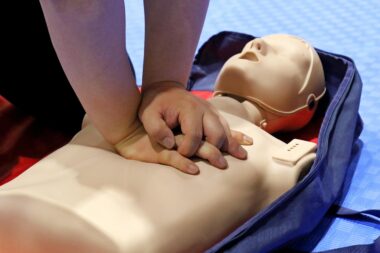

Differences Between Adult Dog and Puppy CPR
When it comes to performing CPR on dogs, understanding the differences between adult dogs and puppies is crucial. Adult dogs are typically larger, making the techniques slightly different. For puppies, the smaller size requires adjustments in technique and force. While the basic principles are similar, CPR varies in pressure application and anatomical considerations. Puppies’ bodies are more delicate, necessitating gentle handling to avoid injuries. Additionally, the timing of CPR can vary according to the age and health condition of the dog. Adult dogs may have more robust health statuses whereas puppies may have congenital issues requiring more attentive care. Recognizing these differences significantly aids in efficient, life-saving maneuvers. Ensuring proper training in these techniques should be prioritized. Boarding facilities or dog trainers often provide essential resources. Always consider enrolling in courses that offer CPR training tailored for both adults and puppies. This knowledge can help in saving lives during emergencies. Keeping calm is crucial when administering CPR to dogs. Frantic handling can worsen the situation. Knowing when to proceed versus seek veterinary help is also vital. This article delves deeper into these essential differences and techniques required.
The Importance of Knowing CPR for Your Dog
Having the ability to perform CPR on your dog can be a precious tool in emergencies. Understanding the distinctions in performing CPR based on the dog’s age ensures you’re prepared for varied situations. Puppies, being much smaller, may require a gentler touch, as their ribs and organs are still developing. Failure to adapt the CPR technique could lead to further health complications. Recognizing signs of distress in both adult dogs and puppies can dictate how quickly and effectively you spring into action. A quick response can often translate to better outcomes following an unexpected incident. In addition to applying CPR, remaining calm is beneficial, as animals often sense anxiety and may panic further. For dog owners, this knowledge not only prepares you to potentially save your pet but can also support responsible pet ownership. Furthermore, an understanding of canine anatomy aids in the effectiveness of CPR practices. Familiarizing yourself with the differences between adult dogs and puppies can even manifest when training them. These practices lay the groundwork for both emergency aid and better every-day interactions. Remember, regular training refreshers can keep your skills sharp, increasing confidence in handling emergencies effectively.
Before performing CPR on a dog, it’s essential to assess the situation. For adult dogs, confirm if they are unconscious and not breathing. For puppies, the assessment is similar, but body weight plays a significant role. There’s more emphasis on monitoring breathing patterns and heartbeats closely in puppies due to their size. If there’s any uncertainty about the puppy’s condition, err on the side of caution, as puppies can deteriorate quickly. Once confirmed, the approach for adult dogs involves creating a firm surface for chest compressions. The mechanics differ slightly in puppies, given their small frame. For puppies, you can often use one hand for compressions, while for larger dogs, two hands may be necessary. The rhythm and depth of compressions differ as well; deeper pumps are needed for adults while lighter pressure suffices for puppies. Additionally, the timing of rescue breaths is paramount. In small breeds, the breath needs to be just right—not too forceful as that may hurt them. Educating yourself thoroughly on both techniques can truly make a life-saving difference. Every second counts during an emergency, so being prepared is critical.
Steps to Performing Adult Dog CPR
Learning the steps for performing CPR on adult dogs is vital for every dog owner. The first step involves laying the canine on their right side ensuring the environment is safe. This allows for a clear field of action. Next, check for breathing and pulse. If absent, your approach will require chest compressions. Kneel beside the dog and place both hands over the heart, compressing at a rhythm of 100-120 times per minute. Timing and depth of each compression are crucial for circulation. Make sure to allow complete decompression of the chest between pumps. After 30 compressions, you should give two rescue breaths. Cover the snout and breathe into the mouth gently, watching for chest movement but avoid overinflation. Each cycle—30 compressions followed by two breaths—continues until the dog shows signs of life or veterinary help arrives. Remember, long-lasting angst can occur, so keeping calm can assist you in staying focused. Always follow up with emergency medical care; CPR is only the first step in saving your dog’s life. Understanding this process can make your actions coherent in high-pressure situations.
Now, let’s shift focus to performing CPR on puppies. The technique does share similarities with adults but must account for the reduced size. Place the puppy on its side in a secure and safe area, ensuring minimal disturbance around them. Like adult dogs, check for pulse and breathing first before proceeding. Given their tiny frames, use one hand for compressions, and compress at a quicker rhythm of about 100-120 per minute. The pressure applied should be much gentler compared to what you’d use on adult dogs. Puppies’ ribs are fragile and can easily fracture, so monitoring your pressure and technique is essential. After 30 compressions, seal the snout and give gentle breaths. Each rescue breath needs to fill the puppy’s lungs adequately without over-inflating. Occasionally, tap the back slightly to help expel any airway obstruction. Continue to repeat the cycle of compressions and breaths. If the puppy is unresponsive still, reach out for immediate vet assistance. Taking quick action along with understanding the essential variances ensures that your puppy receives the correct aid during life-threatening situations, improving the chance of survival.
Final Thoughts on Canine CPR
In conclusion, the differences in performing CPR for adult dogs compared to puppies are vital for dog owners to understand. With the increasing number of pet owners, being prepared for emergencies can make a significant difference. It enhances not just the care of your pets but gives peace of mind for both owners and dogs. Continuous education on animal first aid, including CPR certification courses, is a great investment for pet owners. Knowing how to perform CPR properly can empower you to take quicker, more effective action. Being well-versed in these techniques also fosters a deeper bond with your pet, showcasing the care and commitment you provide. Keeping resources handy, such as first aid kits specialized for dogs, can improve your readiness. It’s beneficial to practice these techniques with professional guidance regularly. Veterinary professionals or local organizations often offer workshops to sharpen these skills. Your dog relies on you entirely for care, and preparedness can save lives. Ensure that awareness is accompanied by action—your furry friend deserves the best care possible during emergencies.
Always remember to share these techniques with family members and caregivers. The responsibility of first aid for dogs should be a collective effort where everyone is attentive and knowledgeable. Utilize resources like classes and seminars to ensure all involved understand both adult and puppy CPR practices. As every second counts when an emergency occurs, knowing who can assist in the family is vital. Furthermore, discussing pet emergency plans ensures everyone is on the same page during stressful times. Keeping a copy of emergency contact information, including your veterinarian, can also provide peace of mind. With preparation and understanding of canine CPR, you can navigate through emergencies calmly and effectively. Keep practicing these valuable skills so you stay ready. The bond between pets and their owners is irreplaceable, and preparedness strengthens this connection. Realizing your responsibility as a pet owner fosters a nurturing environment, enhancing your dog’s quality of life. Supporting local animal shelters by promoting first aid skills within your community can foster a culture of responsible pet ownership. Together, we can ensure that our furry companions receive the best care possible when it matters most.