
Medicated Shampoos for Dogs: When and How to Use Them
Understanding when and how to use medicated shampoos for dogs is crucial for their optimal health. Medicated shampoos are specifically formulated to treat various skin conditions that your dog may experience. Conditions like dermatitis, hot spots, fungal infections, and allergies can cause discomfort and require specialized care. Regular shampoos may not provide the treatment needed for these skin issues. The primary advantage of medicated shampoos is their active ingredients, which target and alleviate symptoms effectively. It’s important to choose a shampoo that corresponds to your dog’s specific issue. For example, ingredients such as chlorhexidine are effective against bacterial infections, while oatmeal is soothing for itchy skin. Consulting your veterinarian before selecting a shampoo is advisable. A vet can diagnose the issue and recommend suitable products that will help your dog recover quickly. Other factors to consider include your dog’s age, breed, and coat type. Additionally, be aware of any allergies your dog might have to certain ingredients. Monitoring your dog’s skin condition is vital after using these shampoos.
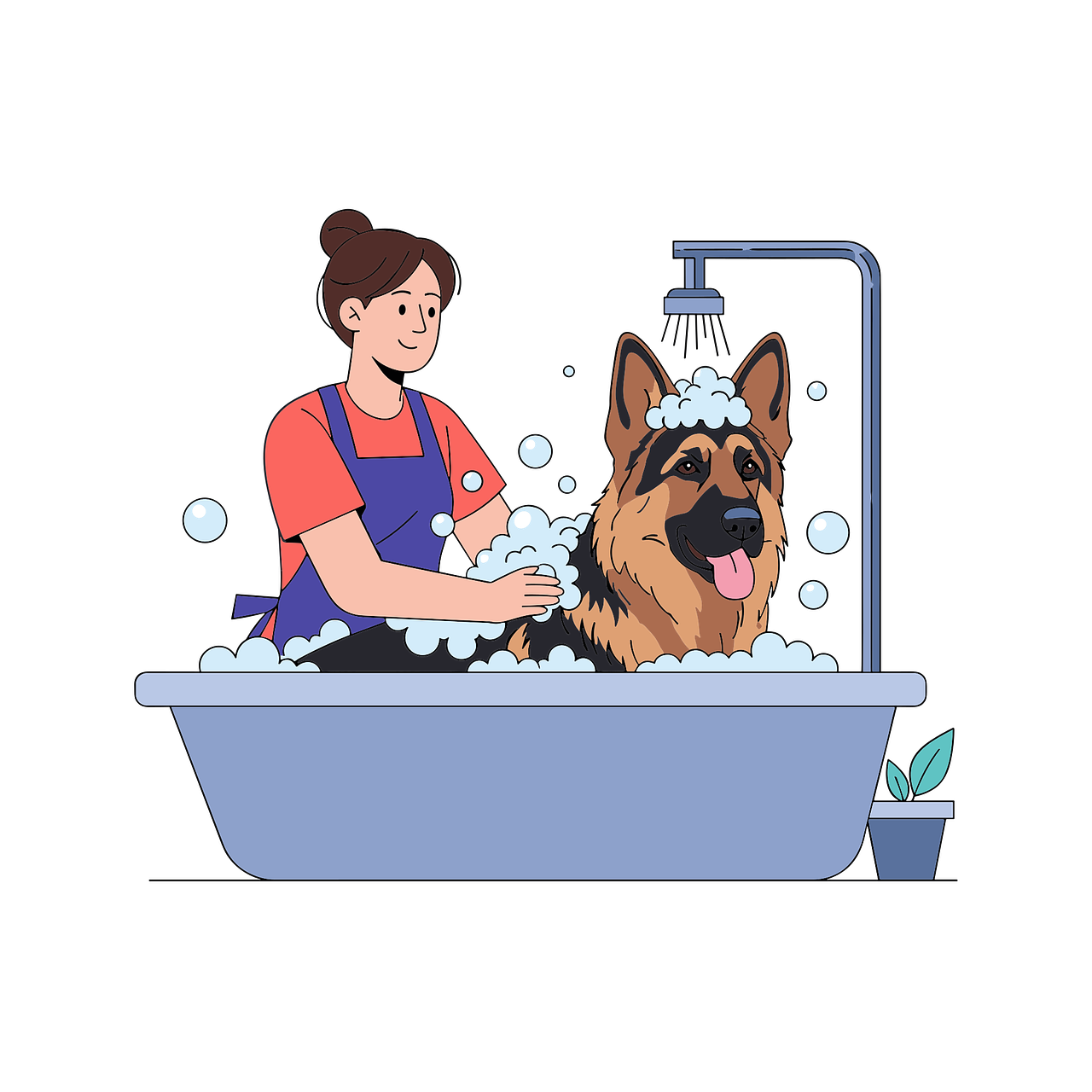
Proper application is essential for effectiveness when using medicated shampoos for dogs. Start by thoroughly wetting your dog’s coat with warm water, ensuring that all areas are dampened. Next, apply the medicated shampoo generously, massaging it gently into the skin to ensure it reaches the problem areas effectively. Avoid using excessive amounts; a little often goes a long way in spreadability. Follow the manufacturer’s instructions regarding the amount and time to leave the shampoo on the dog. Typically, a leave-on period of 5 to 10 minutes allows the ingredients to work deeply into the skin. Rinse the shampoo thoroughly with warm water, ensuring no residue is left behind. Leaving the shampoo on for too long may irritate your dog’s skin, whereas insufficient rinsing may reduce its efficacy. After rinsing, it’s also advisable to not bathe your dog too frequently. Over-bathing can remove natural oils from their coat. Regular bathing, however, depends on the specific instructions if you’re using a medicated product. Consult your veterinarian regarding how often to repeat the treatment.
Choosing the Right Medicated Shampoo
Selecting the correct medicated shampoo can significantly improve your dog’s skin health. Initially, identify the skin condition affecting your dog. For instance, certain shampoos target seborrhea, while others may focus on combating parasites. Look for shampoos that contain recognized active ingredients; examples include ketoconazole for fungal issues and pyrethrin for managing flea infestations. Always check the ingredient list for common allergens, as some dogs have sensitivity to specific components. On the other hand, ingredients such as aloe vera or chamomile can help soothe irritated skin. It’s also essential to consider your dog’s breed, as different breeds may react to certain ingredients uniquely. Not all shampoos are suitable for all breeds, so researching those specific to your dog is prudent. Furthermore, read veterinary recommendations or reviews online regarding particular brands. Lastly, consult your veterinarian for their trusted recommendations based on your dog’s health history. They can guide you on which medicated shampoos have been tested for safety and efficacy, ensuring the well-being of your furry companion.
Many dog owners question how often they should use medicated shampoos for their pets. The frequency depends significantly on any ongoing skin conditions your dog faces and the type of shampoo being used. For most cases, using medicated shampoos once a week is sufficient, but this can vary. For acute conditions, such as severe dermatitis, your veterinarian may recommend more frequent applications. Conversely, once symptoms subside, you might taper down usage to every few weeks. This strategy will help maintain skin health while preventing any skin issues from worsening. Ensure that you follow the specific instructions indicated on the shampoo or provided by your veterinarian, as these guidelines are tailored to optimal recovery. Be vigilant about watching for any changes in your dog’s skin or coat. If you notice any adverse reactions to the shampoo, such as redness or excessive irritation, consult your vet immediately for alternative solutions. Regular monitoring is essential to effectively manage your dog’s skin health and ensure the medicated plan is working as intended. As always, making adjustments based upon your dog’s lifestyle and specific needs is key.
Aftercare Following Shampoo Use
Post-bathing care is crucial to ensure the effectiveness of the treatment you’ve provided with medicated shampoos. After rinsing out the medicated shampoo, consider applying a dog-friendly conditioner. This option can help maintain proper hydration for their coat while soothing the skin after treatment. It’s important not to apply human conditioners, as they can have ingredients harmful to dogs. Another crucial aspect of aftercare is ensuring your dog stays dry and comfortable after a bath. Direct exposure to wetness can irritate freshly treated skin. If your dog loves outdoor activities, ensure they are kept away from muddy environments until their skin has healed. Additionally, monitor your dog’s behavior for signs of discomfort or itching after using the shampoo. If they continue to scratch or show signs of distress, it might indicate that the treatment isn’t effective or that another issue is present. Continue to keep a diary of the treatments applied, noting any changes in their condition. This documentation can be invaluable for discussions with your veterinarian regarding the effectiveness of the chosen medicate shampoo.
Sometimes, potential side effects may arise from using medicated shampoos that pet owners should be aware of. While these shampoos are designed to alleviate skin issues, they can also cause reactions in some dogs. Common side effects include dryness, irritation, and excessive shedding. It’s essential to monitor your dog closely for any adverse reactions after using a new product. If you notice any signs of distress, such as scratching or biting at the skin, discontinue use immediately and consult your veterinarian. In rare cases, dogs may experience allergic reactions, which could manifest as redness, swelling, or lesions on the skin. If these symptoms occur, seeking veterinary care as soon as possible is important. Additionally, make sure to keep your dog’s environment clean during treatment. This action could help prevent reinfestation from parasites, such as fleas or mites that require further attention. Regular grooming can also assist in keeping the coat healthy. Providing a balanced diet rich in fatty acids can also promote skin health, complementing the benefits of medicated shampoos while minimizing skin issues.
Conclusion
In conclusion, medicated shampoos for dogs serve as an invaluable tool for managing a variety of skin conditions. By comprehensively understanding when to use them, properly applying them, and providing adequate aftercare, you can significantly improve your dog’s skin health. Remember always to consult with a veterinarian when selecting the right product, as their tailored recommendations ensure that you’re addressing your dog’s specific needs. Monitoring the frequency of use based on your dog’s condition is equally important. Each dog is unique, and what works for one may not be suitable for another. Therefore, maintaining regular vet check-ups is crucial for tracking changes in your dog’s skin and overall health. Additionally, be sure to observe any reactions your dog may have to new products, as early intervention can mitigate more serious issues. With diligent care, both through medicated shampoos and lifestyle adjustments, you can help your furry friend lead a comfortable and healthy life. Remember, a dog’s happiness is linked closely to its health, and providing the right care makes all the difference. Ensure you take proactive steps in maintaining your dog’s well-being.