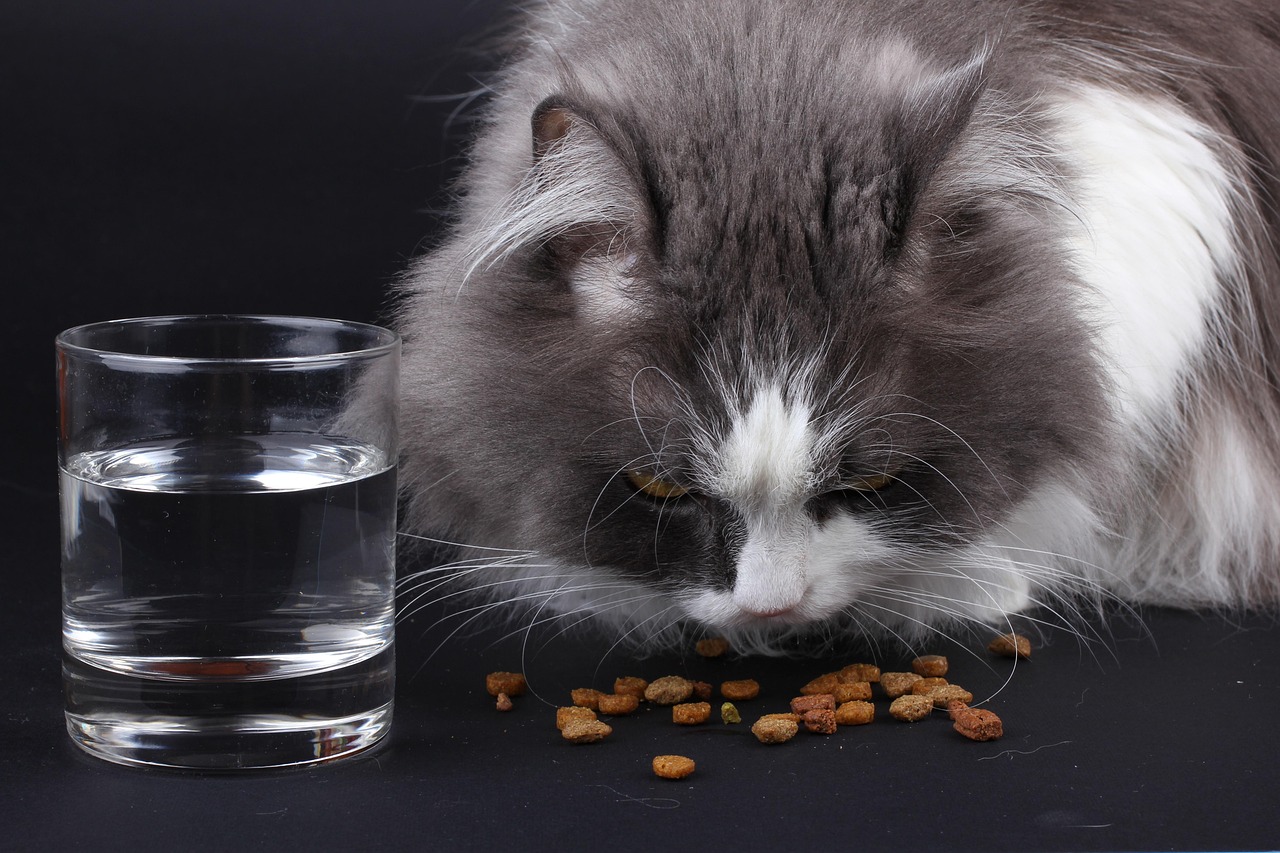

Essential Nutritional Needs for Kittens: What to Look For in Kitten Food
Choosing the correct food for your kitten is a vital aspect of responsible pet ownership. A kitten’s dietary needs are essential to their growth, energy, and overall health. During the first year, kittens undergo rapid growth, requiring dietary adjustments. The ideal kitten food should meet their distinctive nutritional requirements. When selecting a suitable food, there are several components to consider: protein content should be high, providing necessary amino acids. Cats are obligate carnivores, meaning meat is crucial for their diet. Look for labeled ingredients, ensuring a protein source is the first item. Carbohydrates should be minimal as cats convert these less efficiently. Healthy fats play a significant role in energy provision and maintaining skin and coat health. Vitamins and minerals complement a proper balance, enhancing immunity and reducing future health risks. Don’t forget water; hydration is crucial. Remember to introduce new food gradually to avoid digestive upset. Monitor your kitten’s weight and condition regularly. This attention to their diet will help ensure they grow strong and healthy into adulthood.
Another factor in selecting the right kitten food is age appropriateness. Kittens have very different nutritional needs than adult cats and should not eat standard cat food. Look for products explicitly designed for kittens, namely a kitten formula. These formulations cater to kittens’ unique needs for growth, development, and activity. Ingredients like DHA, an omega-3 fatty acid, support brain and vision development during early life stages. To further assist, monitor your kitten’s response to the chosen food. Additionally, incorporate a gradually balanced diet as they transition into adulthood. Look out for any signs of allergies or digestive disturbances; this could mean a formulation needs adjusting. Try varying flavors and textures to find what your kitten enjoys the most. Some kittens may prefer wet food to dry, while others may like a mixture of both. Experimenting will make mealtime enjoyable! Always check for a complete and balanced AAFCO (Association of American Feed Control Officials) statement on pet food packaging. This badge ensures the food meets high-quality nutrition standards tailored for kittens.
Understanding Ingredients in Kitten Food
Understanding ingredients will help when choosing kitten food that aligns with your pet’s specific needs. Familiarize yourself with nutritional lingo found on pet food labels. Protein sources should ideally come from real meat, such as chicken or fish. Whole foods are often preferable to meat by-products, which may vary in quality. Alongside proteins, pay attention to carbohydrate sources; ingredients like whole grains or vegetables can be more digestible. However, it’s crucial that carbs make up a smaller portion of the recipe. Healthy fats are essential; they provide energy intake and support essential skin and coat health. Look for added vitamins and minerals like calcium, which promotes healthy bone development. It’s vital to avoid artificial preservatives, fillers, or synthetic colors during selection. These ingredients can adversely affect your kitten’s health and overall wellbeing. While budget-friendly options exist, never prioritize price over quality. Kitty food is one area where investing more can mean better health outcomes. Always consult with your veterinarian if unsure about what’s best for your growing feline friend.
When considering wet versus dry food, both options possess distinct advantages for your kitten’s diet. Wet food generally provides higher moisture content, preventing dehydration and promoting urinary health. It can also be easier for kittens to chew and provides a palatable flavor profile. However, dry food offers convenience, can help with dental health, and is often less costly. Balance is key; consider combining both types to provide variety and ensuring optimal hydration. Each kitten may respond differently to different food types, and this is worth noting. Observe your pet during mealtime to see which choice they prefer. It may lead to increased playfulness and vigor, which is ideal for young cats. Experiment with various brands until you find what suits your kitten’s tastes and nutritional needs best. Portion control is equally essential in either case to prevent obesity. Regularly research kitten nutrition and consult with your vet for updated recommendations, especially as your pet grows and their needs change. Ensuring your food choice is dynamic and accommodating will help them thrive.
Common Mistakes in Kitten Nutrition
Many new kitten parents make common mistakes regarding nutrition that can lead to dire health consequences. One frequent pitfall is feeding adult cat food to kittens, which lacks the necessary nutrients for healthy growth. Another critical error involves excessive treats; while they’re fun, too many can lead to obesity and potentially harmful health issues. Additionally, skipping regular veterinary check-ups can mean missed opportunities for dietary guidance. Your vet can advise on caloric intake and adjust food types based on your pet’s lifecycle stage. One mistake is rushing to change food brands suddenly. Always transition slowly to avoid digestive upset. Understand that different brands vary in calories and ingredient quantity; sudden shifts can be distressing. Remaining observant of your kitten’s reactions when introducing new foods is important. Always consult with your vet when considering any diet changes. Ensuring that you provide a balanced, properly formulated diet customized to your kitten’s unique needs will lead to a lifelong healthy companion.
It is equally essential to monitor your kitten’s growth and health regularly as they mature. Observing their weight, fur condition, and overall energy levels can provide early indicators of potential dietary issues. Sudden weight changes can indicate overfeeding or an improper diet. Keeping detailed records can assist when visiting veterinarians. If deficiencies or overconsumption is noted, dietary adjustments can be made more effectively. Create a feeding routine to ensure consistent meal times, encouraging stable habits over time. Measure portions carefully, remembering that adult cats consume a different quantity than young kittens. Regularly assess food labels as your kitten transitions from growth to maintenance and later to adult food. Cats continue developing during the first year, so remaining attentive and flexible is vital. This ensures their nutritional needs align with growth stages. Continue to research and stay updated on pet nutrition. With complete focus on feeding, you will allow your furry friend to reach their full potential as they develop into a graceful adult cat.
Conclusion: The Importance of Proper Kitten Nutrition
In conclusion, providing proper nutrition during their early development sets the stage for a healthy and happy life. Paying attention to their dietary needs, ingredient sources, and food types can significantly impact their growth and long-term wellbeing. Healthy dietary choices made now will lead to fewer health issues later on. Engaging with your veterinarian will help you understand your kitten’s evolving needs. Together, you can make informed decisions about their nutrition throughout different life stages. Additionally, recognize that all kittens are individual; their preferences may vary based on breed, size, and personality. Take a close look at what makes your kitten thrive. Exploring the balance between wet and dry food, monitoring their eating habits, and being mindful of ingredient lists will serve in their best interest. Make feeding an enjoyable part of their daily routine, providing nutrition that supports their playful, energetic nature. Your commitment to their dietary well-being will be a strong foundation for a lifelong loving relationship. Celebrating each milestone of growth will create joyful memories with your beloved companion.
Always remember that providing the best nutrition is an investment in your kitten’s future health and happiness. The choices you make today will influence their quality of life and overall growth trajectory. Learn as much as possible about kitten care, and your diligence will pay off in countless playful moments with your furry friend. Encouraging good habits early will lead to a smoother transition into adulthood as your cat grows. Stay informed about new dietary guidelines or innovative products that emerge within the pet care industry, as they can offer enhanced support for your growing kitten. Participate actively in pet-owner forums or communities to exchange experiences and tips with fellow kitten owners. Knowledge sharing can prove invaluable as you ask questions and learn what improved nutrition options work best for others. Being proactive will equip you to make choices that benefit your future feline friend. Together, you can flourish through every stage of life, providing not only the necessary nutrition but also love and care, ensuring your kitten grows into a vibrant, healthy adult cat.