
Choosing Sport Activities Suitable for Your Dog’s Breed and Size
Selecting the right sports activities for your dog is crucial for their overall health, happiness, and safety. Not all breeds are suited for every sport, and understanding your dog’s unique characteristics is essential before diving into any physical activity. For instance, larger breeds like Great Danes may excel in activities requiring strength, while smaller breeds such as Dachshunds might struggle with high-impact exercises. Consider your dog’s age, size, breed, and personality when choosing an appropriate sport. It’s also a good idea to involve a veterinarian who can provide advice on what’s best for your dog’s physical capability. Evaluate the environment where the activity takes place, ensuring it’s safe and free of hazards. Communication with your dog is key; observe their body language and behavior during sports to assess their enjoyment and comfort. Keeping your dog hydrated and letting them rest is also vital during athletic activities. Your dog deserves the best, so take the time to research sports options that will keep them active and engaged without overexerting them.
One important factor when choosing sports activities is understanding your dog’s breed characteristics. For example, herding breeds like Border Collies are inherently active and enjoy activities that challenge their agility and intelligence. They thrive in sports such as agility training or flyball, which emphasize speed and coordination. On the other hand, bulldogs may prefer more leisurely activities that prioritize their comfort and suitability to their physical limitations. Always ensure that the chosen sport aligns with your dog’s energy levels and interests. Observing your dog while they participate in activities can give you insight into their preferences. You might be surprised to discover that your dog shows an innate inclination for specific sports. Always prioritize safety by assessing the training areas and using appropriate safety equipment like harnesses or pads when necessary. Encourage fun and social interaction, as this improves the experience both for you and your dog. Maintaining an engaging routine may also help in keeping your pet physically and mentally stimulated. By providing sports suited to their breed, you can significantly enhance your dog’s quality of life.
Assessing Physical Traits
Your dog’s size and physical attributes heavily influence their performance in sports. For example, dogs with short legs, such as Corgis, generally excel in sports that involve agility and coordination rather than long-distance running. Conversely, large breeds like Labrador Retrievers or German Shepherds may enjoy endurance activities that allow them to utilize their strength and stamina. This emphasizes the importance of aligning physical traits with suitable sports. Always take into account your dog’s weight, height, and overall health when making these decisions. Knowing what your dog excels in can also provide insight into their potential talents. You should never force your dog into activities for which they are not physically suited. Furthermore, many sports may have different divisions based on size or weight, allowing your pet to compete in a category where they can shine. Keeping activities appropriate for your dog’s stature reduces the risk of injuries significantly. Be mindful of their capabilities and create opportunities for physical activity that matches their unique characteristics.
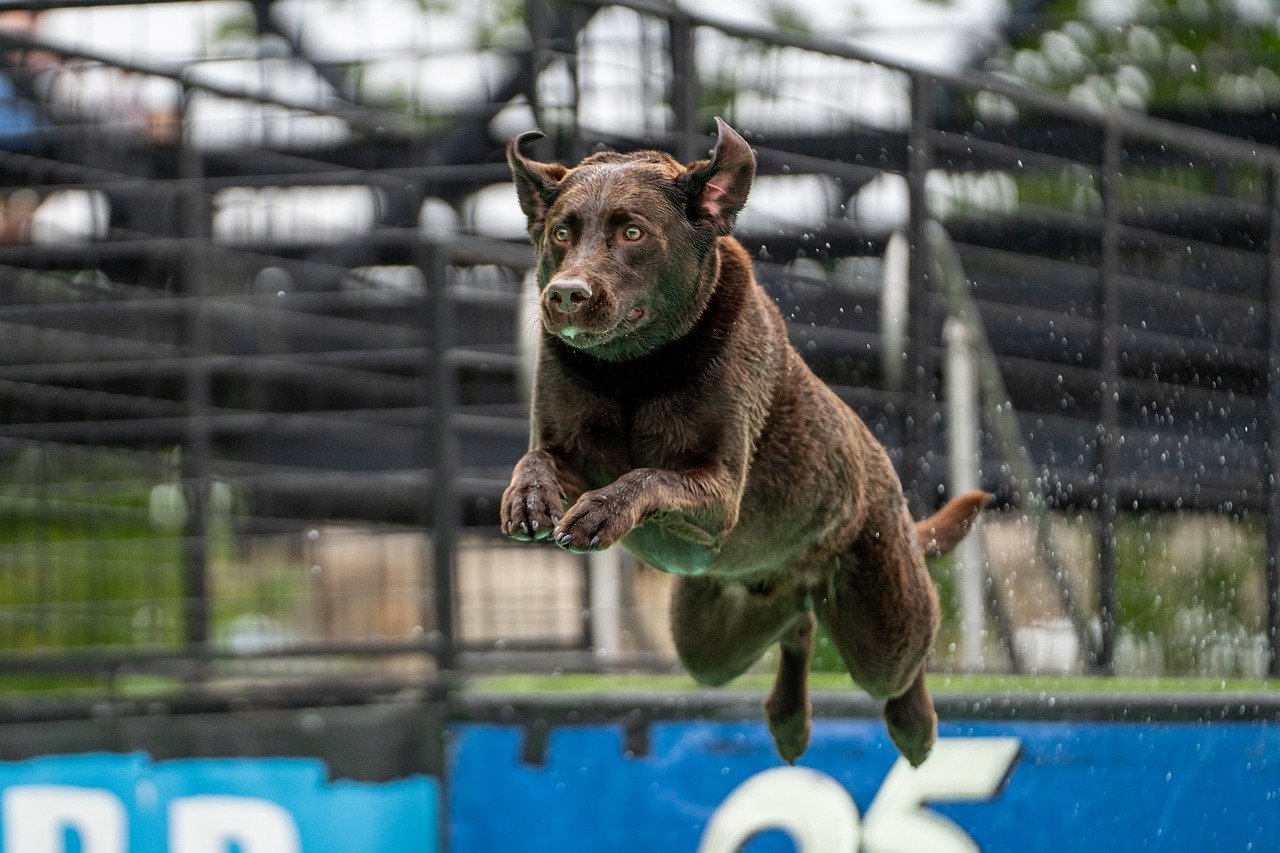
In addition to physical traits, considering behavioral traits is vital when selecting appropriate sports activities. Some dogs are naturally more energetic and require constant stimulation through sports, while others might be more laid-back and prefer less strenuous options. Therefore, understanding your dog’s personality will help guide your choices. Active and playful dogs, such as Jack Russell Terriers, will thrive in dynamic sports that keep them engaged, like dock diving or frisbee. Meanwhile, more reserved breeds, such as Cavalier King Charles Spaniels, might prefer activities that focus on companionship rather than competition. Always ensure that the sport chosen aligns with your dog’s temperament. Before committing to a sport, practice sessions can allow you to gauge your dog’s enthusiasm and comfort levels. This can help confirm whether the sport is actually enjoyable for your dog. If your dog shows signs of stress or discomfort, it may be time to reconsider the sport you have chosen for them. Their happiness and well-being should always remain your top priority.
Health Considerations
Health considerations are paramount when selecting sports activities for your dog. Certain breeds may be predisposed to specific health issues, which can affect their engagement in sports. For example, brachycephalic breeds like Bulldogs and Pugs often struggle with breathing difficulties during intense physical activities. Therefore, opting for less strenuous sports or activities that don’t overly exert them becomes vital. Regular health check-ups with a veterinarian can ensure that your dog is fit for the activity you’ve selected. Furthermore, be observant of any signs of fatigue or distress during activities; stopping sports at the first sign of discomfort can prevent serious health risks. You should also consider your dog’s age, as older dogs may require gentler forms of exercise. Regular low-impact activities, such as swimming or light walks, can help keep them active without overloading their joints. Lastly, ensure proper warming up and cooling down exercises to eliminate the chances of injuries. Focusing on the dog’s health guarantees that they lead an active and fulfilling life while enjoying the sports they participate in.
Creating a solid training routine is significant for pets engaged in sports. Establish cue commands during training sessions, which can foster a better understanding between you and your dog about what is expected during activities. Gradual introductions to the sport will help ease the transition. Ensure sessions are exciting yet consistent to maintain both yours and your dog’s enthusiasm. Limit the duration of each session and ensure breaks for hydration. Integration of playtime consistently is crucial, as it reinforces a positive environment around sports. You can utilize treats as motivation and reward your dog during training. When dogs associate positive experiences with various sports activities, it fosters a love for them. Socialization with other dogs can also enhance your pet’s interest and help improve their confidence. Involving them in organized classes or local clubs can provide them with more exposure. Structuring a well-rounded training routine will set your dog up for success in any chosen sport while ensuring their emotional well-being. Responsible training practices will not only improve their skills but also strengthen the bond between you.
Conclusion: Finding the Right Fit
Selecting sport activities that suit your dog’s breed and size demands careful consideration and planning. By evaluating their physical capabilities, personality traits, and health considerations, you can find the ideal sport that will enhance their joy and health. A happy dog means a happy owner. Ultimately, investing time in researching suitable sports ensures that your dog remains active and engaged in physical activities that suit them best. The value of positive associations with sports cannot be underestimated. Encouraging a fun environment will foster teamwork, enhance your dog’s confidence, and contribute to their socialization skills. Continuous engagement in sports activities also plays a significant role in maintaining their overall health and well-being. By adhering to safety guidelines, exercising caution during activities, and regularly consulting with your veterinarian, you can ensure your dog enjoys a fulfilling athletic journey. Allow your dog the chance to shine in sports they are well-suited for, while fostering a deeper bond between you and your beloved pet. Remember to always celebrate small victories and joy throughout their journey.