
Socializing Puppies: Introducing Them to New Environments Safely
Socializing puppies is vital for their behavioral development. Introducing them to new environments allows them to adapt and thrive. One of the first steps involves taking them to pet-friendly places. When visiting a new environment, ensure it’s a calm setting to avoid overwhelming the puppy. Start with short visits, gradually increasing the duration as they become comfortable. It’s also important to use positive reinforcement techniques, rewarding your puppy with treats for good behavior. This builds a positive association with their surroundings. Additionally, observe how your puppy reacts to various stimuli, such as other animals and people. Recognition of their comfort level will help gauge the next steps. Note that some puppies may show fear or anxiety in new settings. If this occurs, it’s essential to remain patient and encouraging. Socializing should never be forced, and recognizing and respecting your puppy’s boundaries will foster trust. If encountering particularly challenging situations, consider enlisting the help of a professional trainer who specializes in puppy behavior. Finally, always keep a close eye on your puppy, ensuring they are safe throughout the experience, and be prepared to redirect any negative behavior.
Importance of Exposure to Various Environments
Exposure to various environments is essential for well-rounded dog behavior. Around five months of age, socialization becomes crucial, helping puppies build confidence and adaptability. When introducing them to different locations, consider the diversity of sights, sounds, and smells they encounter. Parks, streets, and even pet supply stores can provide rich experiences that enhance a puppy’s understanding of their world. Each new environment will challenge your puppy differently and help them learn how to navigate diverse situations. Ensure that the experiences remain positive; for instance, if your puppy enjoys treats, keep some handy. Distributing treats throughout the outing helps create a joyful experience linked to exploration. Ensure the environments are pet-friendly, devoid of hostile dogs or chaotic atmospheres, to avoid overwhelming them. Encourage your puppy to interact with other dogs and people as long as the encounters are supervised and controlled. Pay attention to body language signs indicating your puppy’s comfort or discomfort. Having controlled introductions helps ensure safe experiences for all pets and people involved. If your puppy appears fearful, redirect their focus through treats or gentle encouragement to help ease their anxiety and reassure them effectively.
To enhance your puppy’s adaptability, consider incorporating diverse environments into their daily routine. A variety of experiences helps develop their comfort and confidence levels. Gradually introduce your puppy to urban settings, crowded parks, or quieter locations, providing a balanced exposure. Make a list of different scenarios to try at different times of the day, so they become accustomed to various sounds like traffic, birds, and other noises. This gradually makes things less intimidating and more familiar. Rotating between busy environments and quiet places can help create a balanced experience for your puppy. In addition, allow your puppy to engage with different surfaces, such as grass, cement, or wood. This can also build their confidence and adaptability. Always remain observant, noting their behavior in new situations. If your puppy appears anxious or fearful, you might want to revert to a previous, more familiar setting. Socialization involves continuous exposure, so patience is paramount as you guide your puppy through this journey. Finally, make each experience rewarding, ensuring your puppy understands that exploring new places can be both safe and enjoyable, fostering a positive attitude toward the broader world.
Prioritizing Safe Interactions
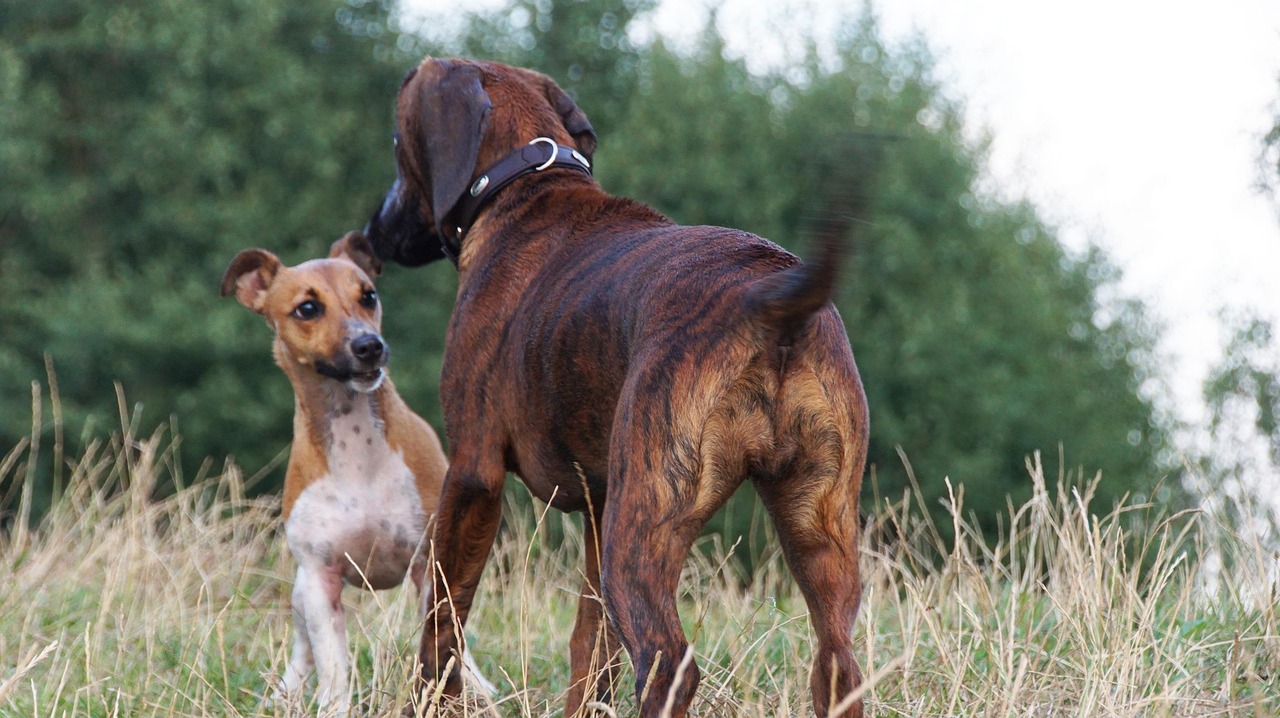
Prioritizing safe interactions during socialization is incredibly important for puppies. Before setting out into new environments, consider your puppy’s temperament and personality traits. Some puppies may benefit from observing other dogs before interacting with them. Watch for body language cues during these initial encounters. Positive signs include a wagging tail and relaxed posture, while signs of fear can be lowered tails or pinned ears. When meeting other dogs, ensure both dogs are on leashes to maintain control. Start with familiar dogs before venturing to unknown dogs, gradually expanding their social circle. Pay close attention to your puppy’s reactions; if they seem overwhelmed or scared, remove them from the situation calmly. Practicing basic commands like sit or wait can also help you manage interactions as needed. On the other hand, try to expose your puppy to different sizes, breeds, and temperaments to give a rounded view of dogs and reduce fear later. If there are dog parks in your area, these can be especially useful for off-leash play once you’re sure your puppy is socialized enough. Furthermore, consider observing interactions from a distance if your puppy seems uneasy, helping them build confidence at their own pace.
Consistency is key during puppy socialization. Establish a routine that incorporates regular visits to varied environments, allowing your puppy to explore and adapt over time. Repetition leads to familiarity, making social interactions feel less intimidating. Create a schedule incorporating different environments each week. Making visits regular gives your puppy the chance to anticipate new experiences positively. Bring along familiar objects, like a favorite toy or blanket, to create a sense of comfort in unfamiliar situations. Consistency in commands and reinforcement methods is equally important; this helps your puppy understand expectations while moving through environments. Always communicate calmly and clearly during their outings to create a stable environment. Training sessions can focus on manners around distractions, ensuring your puppy learns to be well-behaved while still exploring. Incorporating positive reinforcement strategies, like praise or treats, encourages engagement with the world. Additionally, allow your puppy to observe other pet parents managing their dogs, serving as a valuable learning opportunity. Maintain patience and a positive attitude. Each outing contributes to shaping a well-adjusted dog, giving them the tools they need to face the world confidently and calmly.
Handling Overwhelming Situations
Handling overwhelming situations is crucial for effective puppy socialization. Unexpected encounters can sometimes frighten a puppy, so being prepared with tools to soothe your pet is important. Carry along calming aids, such as treats or toys, that your puppy recognizes, which can redirect their focus. Additionally, establishing a set of responses based on different scenarios prepares you for managing anxiety. Teaching your puppy to seek your assistance during stressful moments can also boost their confidence. During overwhelming situations, recognize the signs that indicate your puppy is feeling stressed. Sudden withdrawal, excessive barking, or panting can signal anxiety, calling for immediate intervention. Redirect their attention to an easy command they’ve mastered, which helps refocus their energy. Approaching interactions gradually, allowing the puppy to explore at their own pace helps in gaining confidence. After these experiences, calm them, offering plenty of praise as they adjust effectively. If repeatedly facing fears, consider consulting with a professional trainer who can provide additional support. Every puppy is different, so varying responses based on their personality traits enables you to provide the most effective support during these challenging experiences.
Finally, remember that socializing a puppy is an ongoing journey that requires time and persistence. The process doesn’t end after a few outings; continue introducing new environments throughout their life. This builds upon their positive experiences and ensures their adaptability as they grow. Your role is to guide them through this expansion while gradually increasing the challenges they face. Introductions to new environments should always be met with consistency and practice. The framework you create during puppyhood lays the foundation for their entire life. Along with healthy socialization practices, always prioritize your puppy’s mental well-being as they explore these new settings. As your puppy matures, keep up with regular outings to maintain their confidence. With time, you’ll witness them transform into a well-adjusted adult dog who can handle the diverse stimuli of life. Always keep your interactions light-hearted and enjoyable. Providing an optimal socialization experience involves love, patience, and understanding. Celebrate the little victories along the way, as each outing contributes to shaping a well-rounded and balanced dog. A well-socialized puppy is better prepared to navigate different experiences for a lifetime, reducing fears and enhancing camaraderie with their environments.
Providing opportunities for your puppy to socialize with other puppies in controlled settings, such as puppy classes, can be an excellent way to enhance their experience. Remember that it’s essential to supervise all interactions closely. Communicate with attending trainers, ensuring you understand their methods and insights into socialization. Participating in group sessions allows your puppy to learn essential skills such as play bowing and proper greetings. Puppies often learn through play, mimicking other dogs’ behaviors, which will aid their development significantly. Observe which interactions are successful and reinforce your puppy’s positive behaviors, praising them when they engage constructively. If conflicts arise during play, practice intervention techniques. Recognize early signs of aggression or distress, stepping in calmly to redirect the puppy’s focus. Maintaining a safe distance if necessary, will protect your puppy while giving you options to encourage better responses. Ongoing attendance in classes will provide both you and your puppy opportunities for practice. Developing friendships through these interactions helps build your puppy’s social skills, making future interactions less intimidating. Consistently exposing your puppy to new playmates ensures they develop essential social skills, making them more comfortable in diverse environments later on in life.