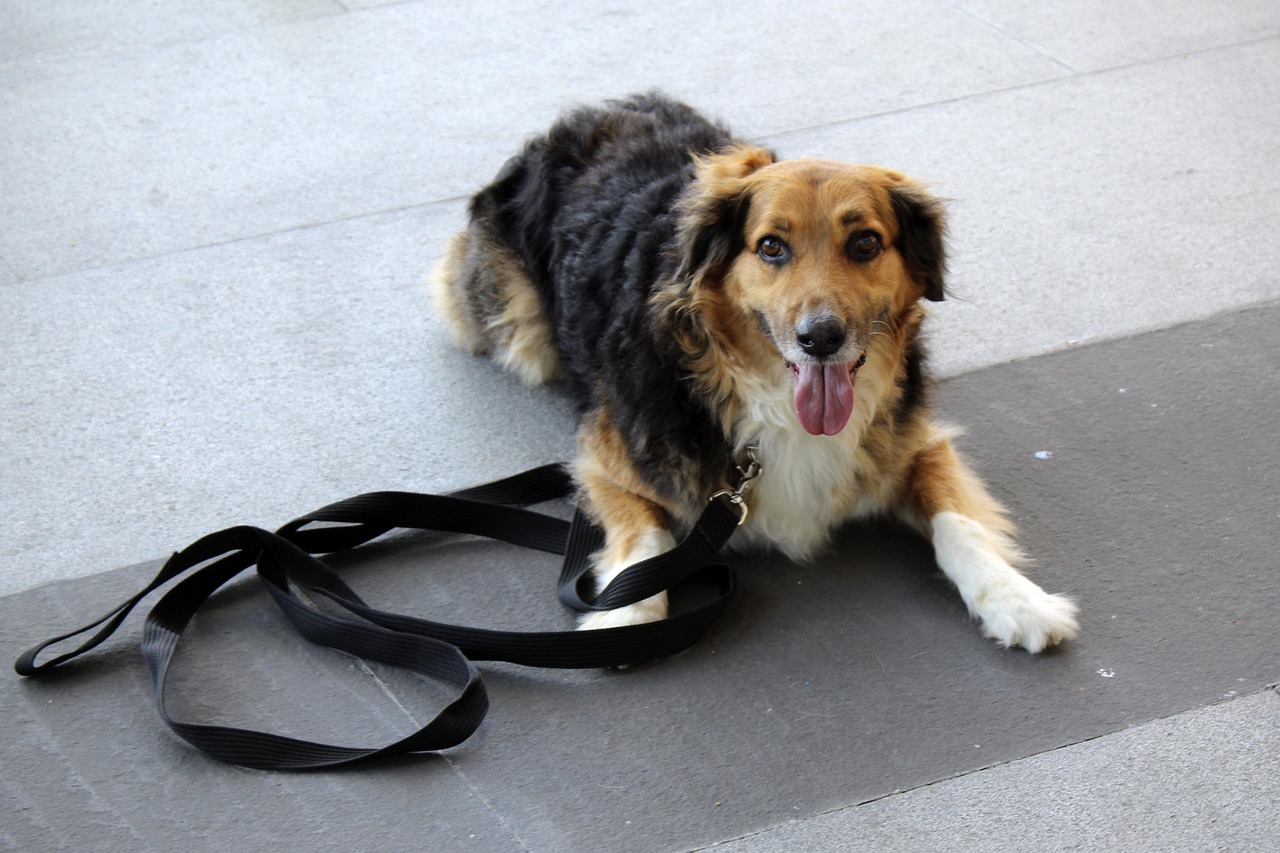

Calming Exercises to Manage Your Dog’s Hyperactivity
Managing a hyperactive dog can be challenging for pet owners who desire a calm and balanced companion. Hyperactivity can stem from various factors, such as lack of exercise, boredom, or even an underlying medical condition. Understanding these causes is crucial in developing effective strategies to mitigate hyperactivity. A combination of physical and mental stimulation is often necessary. Regular outdoor activities, like walks, playtime, or even attending dog parks, encourage exercise, which helps dogs expend excess energy. Fostering a bond with your dog through these activities enhances trust and communication. Additionally, integrating mental exercises can help calm a hyperactive dog. Puzzle toys, basic obedience training, and engaging in interactive games can promote cognitive function while redirecting their focus. A well-rounded approach addressing both physical and mental needs leads to improved behavior. Consequently, daily routines should incorporate balance and variety to maintain a dog’s interest and compliance. As you work towards managing hyperactivity, patience and consistency are vital. Consider consulting a professional trainer or veterinarian for tailored advice. This guidance ensures that your calming strategies suit your dog’s specific needs and characteristics, leading to overall improvement.
Another effective calming exercise for hyperactive dogs includes practicing mindfulness techniques. Teaching your dog to focus on breathing helps create a serene environment. You can employ deep breathing exercises yourself, accompanied by gentle strokes on your dog’s body. This creates a sense of relaxation and stability for both you and your pet. Furthermore, you can also encourage your dog to utilize a designated ‘calm space’ within your home. A designated spot — like a dog bed or crate — will serve as a safe haven for your pet during stressful moments. Training your dog to retreat to this space will encourage self-soothing behaviour while providing an escape when stimuli become overwhelming. Incorporating structured down time into their routine supports proper behavior management. Establishing boundaries around calmness provides a structured environment that dogs benefit from. Gradually increasing the duration spent in their calm space can help incorporate this technique into daily life. Combine these exercises with positive reinforcement — rewarding calm behavior with treats or affection strengthens the association. Such methods improve their adaptability to a less stimulating environment, which leads to lasting behavioral changes that contribute to their well-being.
Utilization of Training Techniques
Utilizing effective training techniques can significantly enhance the success of managing hyperactive behavior in dogs. The approach should focus on reward-based training, which relies on positive reinforcement rather than punishment. This encourages dogs to exhibit desired behaviors in exchange for rewards, like treats or praise. Specific commands, such as ‘sit’ or ‘stay’, can provide structure, helping channel their energy productively. Incorporating commands during playtime will enable you to redirect their frenetic energy. Gradually extending these exercises over time will instill discipline, with regular practice leading to sustained behavioral changes. Training sessions should be kept short but consistent; around five to ten minutes daily can work wonders. Additionally, socializing your dog through group classes or playdates can also create a calming influence. Exposing your pet to various environments and other dogs can elevate their confidence, easing hyperactive tendencies. Enrichment can also introduce activities that channel energy constructively. Interactive play with toys fosters engagement and promotes problem-solving. Along with proper training techniques, social interaction, and stimulation, developing a holistic approach to hyperactivity serves to create a balanced, contented canine companion.
Implementing consistency in exercise schedules plays a critical role in managing your dog’s hyperactivity. Dogs thrive on routine, so establishing a daily schedule for walks, playtime, and rest periods is essential. A regular routine promotes a sense of security for your dog, leading to reduced anxiety and hyperactive behaviour. Mix physical and interactive activities, shedding light on varied approaches to engage your dog. For instance, alternating between a brisk walk and a leisurely play session can keep things fresh. Additionally, be sure to consider your dog’s breed, age, and health when deciding on exercise types or durations. Understanding these nuances can guide your approach to establishing a suitable routine. When training or exercising, infuse your dog with enthusiasm and positive reinforcement, celebrating even small achievements. This encourages a positive association with completing exercises and following commands. Stay adaptable in your methods, regularly evaluating the effectiveness of your routines to ensure engagement and fulfillment. Sorting through various sensory experiences can foster deeper relaxation and establish lasting behavioral change for higher energy dogs. Allowing time for both stimulating and calming activities guarantees optimal behavior management.
Emphasizing Rest and Relaxation
In addition to exercise, emphasizing periods of rest and relaxation is equally essential for managing hyperactivity in dogs. Dogs, much like humans, need downtime after moments of excitement. Creating a quiet environment that promotes relaxation serves as an ideal way to counterbalance stimulated behavior. Designating specific times throughout the day for rest helps establish a balanced routine. Providing a comfortable bedding area where your dog can retreat during these times enhances relaxation. Use calming scents, such as lavender or chamomile, which can promote tranquility — consider utilizing these olfactory cues during rest periods. Gentle background music or nature sounds can also have a soothing effect. By incorporating these elements into your pet’s environment, restful moments can become a cherished part of the daily routine. Moreover, be observant of signs indicating your dog needs downtime. A dog showing signs of overstimulation — like panting, whining, or restlessness — might require a break. Encouraging quiet time away from distractions can help restore calmness. Ultimately, ensuring a balance between activity and relaxation plays a pivotal role in your dog’s overall well-being and happiness.
Another useful method involves incorporating calming herbal supplements. Chamomile and valerian root are well-known for their relaxing properties. Consult with your veterinarian about appropriate herbal options that suit your dog’s individual needs. However, be sure to approach any supplementation with caution, starting at low doses and observing reactions to avoid adverse effects. These natural remedies align with an overall holistic approach to managing hyperactivity. Physical calming aids, like anxiety wraps or specific beds, can offer comfort and security. These products help tighten and gently squeeze the dog’s body, akin to a hug. Such calming aids help alleviate overstimulation while increasing comfort levels. Furthermore, structured environment modifications can reduce anxiety triggers within your home. Assess your surroundings for elements stimulating hyperactivity, such as excessive noise or visual distractions. Creating a more serene environment may involve reducing chaos, ensuring that your dog feels secure. Pairing calming exercises with these environmental adjustments leads to a more focused yet relaxed dog. Keep revisiting these adaptations regularly to ensure their effectiveness and assess their impact on your dog’s behavior in managing hyperactivity efficiently.
Integrating Professional Assistance
In some cases, you may find that seeking professional assistance can be invaluable in managing hyperactivity. Trainers specializing in dog behavior can provide tailored strategies, specifically designed to address your dog’s unique challenges. Additionally, veterinarians can clarify any underlying medical issues that may contribute to hyperactivity. Conducting an evaluation of your dog’s health may lead to discovering potential allergies, hormonal imbalances, or other conditions influencing behavior. Working closely with professionals can enhance the effectiveness of your management strategies. Keep in mind that not all dogs respond to the same methods; therefore, flexibility in techniques is necessary. Signing up for group classes can provide valuable insights while allowing your dog to learn alongside peers. This social setting fosters growth, and observing other dogs can help guide your dog towards more appropriate behaviors. Do not hesitate to communicate your frustration or concerns with the professionals you choose. They can offer additional resources to aid your approach in managing hyperactivity. To sum up, integrating professional knowledge into your efforts can solidify long-term success in fostering a well-adjusted, calmer, and happier dog.
In conclusion, effectively managing a hyperactive dog requires a multifaceted approach. Implementing calming exercises, proper training techniques, and environmental adjustments can lead to significant improvements in behavior. Prioritizing consistent routines ensures that your dog feels secure and supported. Remember to emphasize rest and relaxation within this balanced approach while remaining adaptive to your dog’s needs. Monitoring your dog’s progress, along with seeking professional guidance when necessary, further ensures long-lasting change. Be patient and persistent — creating an optimal environment takes time and ongoing effort. Engaging with your dog through mental and physical exercises promotes a deeper connection, providing joy and satisfaction for both of you. Encouragement and positive reinforcement ignite a passion for learning within your dog. This bond manifests a sense of trust, which contributes significantly to a successful behavioral transformation. Overall, striking a harmonious balance leads to a well-rounded and calmer pet. No single technique will suffice on its own, but combining these strategies may yield remarkable results. Continue to explore new ideas and techniques, ensuring your journey enhances the bond between you and your dog while cultivating their happiness.