
Understanding Fear-Based Aggression in Dogs
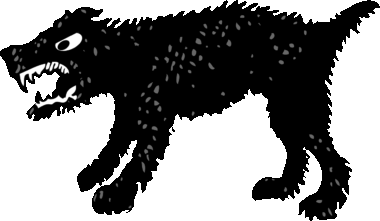
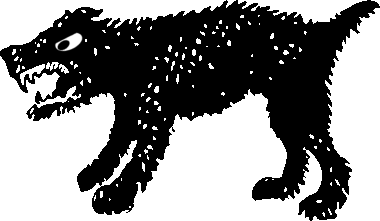
Fear-based aggression in dogs is a common yet complex issue that many pet owners face. Understanding the signs and triggers of this behavior is crucial for effective training and rehabilitation. Fearful dogs may exhibit aggression as a defensive mechanism, often due to past trauma or inadequate socialization. When a dog perceives a threat, whether real or imagined, aggression may serve as a coping strategy. Owners need to identify the early signs of fear-based aggression, which can include growling, baring teeth, or lunging. It’s essential to observe the dog’s body language closely, as it can provide vital clues. Recognizing subtle changes can help in addressing the problem before it escalates. Consistency and patience are key when addressing fear-based aggression, as improvements may take time. Building a relationship based on trust, security, and positive reinforcement is fundamental. Owners should also consider consulting a professional dog trainer who specializes in behavioral issues. These trainers can offer tailored advice and strategies for assisting fearful dogs on their journey to becoming more secure and confident. Remember, every dog is unique, and what works for one may not necessarily work for another.
Fear-based aggression can take various forms, making it essential to understand the different types and how they manifest. One of the most common forms includes aggressive behavior when the dog feels cornered or trapped. Another scenario is when fear triggers aggression towards unfamiliar people or pets. In such cases, the dog’s instinct is to protect itself by displaying aggression. An essential aspect to consider is the underlying fear driving the aggression, which can stem from inadequate socialization during critical developmental stages. Training should focus on helping the dog feel more comfortable and secure in various situations. Additionally, environmental factors play a crucial role in shaping a dog’s behavior. Frequent loud noises, chaotic surroundings, and even certain smells can contribute to a dog’s anxiety. Owners should create a safe space for their dogs, which allows them to retreat when feeling overwhelmed. Gradual exposure to anxiety-inducing stimuli can be beneficial in overcoming fear-based aggression. This process, also known as desensitization, should be handled with care and ideally under professional supervision to prevent further anxiety or aggression. Lastly, maintaining a calm demeanor during training is vital for fostering a sense of safety.
Strategies for Rehabilitation
Rehabilitating a dog with fear-based aggression takes time, effort, and dedication from the owner. One of the most effective strategies involves counter-conditioning, which aims to change the dog’s emotional response to a particular stimulus. For instance, whenever a dog reacts fearfully, you can pair the stimulus with something positive, such as treats or praise. By doing this, the dog begins to associate the previously feared object or situation with positive experiences, leading to improved behavior over time. Another important approach is to employ desensitization techniques, where dogs are gradually exposed to their fears at a level they can tolerate. This process allows them to build confidence and reduces their fear response. It’s critical to implement these techniques slowly and steadily to prevent overwhelming the dog. Additionally, engaging in regular training sessions can help reinforce positive behaviors and establish a routine that promotes security. Socialization should not be overlooked; gently introducing dogs to new environments, people, and pets can help them build confidence. Using supportive tools, like a muzzle, during interactions can ensure safety for everyone involved while you work through these issues.
Incorporating positive reinforcement training methods is vital for addressing fear-based aggression. This means rewarding the dog for demonstrating calm behavior instead of punishing them for aggression. By emphasizing the desired behavior, the dog learns that being calm and relaxed in certain situations is more beneficial than resorting to aggression. Owners should remain consistent in their approach to training; mixed signals can confuse the dog and hinder progress. Utilizing tools like clickers or verbal markers can be effective in communicating successful behavior. Additionally, creating a specific set of cues for your dog can aid in improving communication between you and your pet. Teaching cues such as ‘leave it’ or ‘stay’ can help redirect the dog’s focus during potentially aggressive situations. Enrichment options, such as puzzle toys and scent games, can also aid in reducing anxiety. Keeping the dog mentally stimulated leads to a more balanced and relaxed animal. Building a routine that combines training with fun and games will improve your dog’s overall demeanor. Keeping sessions short and enjoyable helps keep the dog engaged and prevents them from feeling overwhelmed, thus promoting success in overcoming fear-based behaviors.
Common Mistakes in Training Aggressive Dogs
Many owners unintentionally make mistakes while trying to train their aggressive dogs, which can exacerbate the issue. One common error is using harsh training techniques or punishment. This approach not only fails to address the root cause of the fear but can also increase stress and aggression levels. Instead, focus on positive reinforcement strategies that encourage good behavior. Another mistake is forcing dogs into situations that trigger their fear without allowing them time to adjust. It’s essential to respect the dog’s limits and gradually work towards exposing them to those triggers. Rushing through the desensitization process can lead to setbacks. Additionally, inconsistent training approaches can confuse dogs, leading to mixed signals that exacerbate anxiety. Owners must remain patient and consistent while implementing training methods. Sometimes, owners fail to recognize the potential health issues contributing to aggressive behavior, such as pain or illness. Always consult a veterinarian to rule out medical concerns before attributing aggression to behavioral issues. Lastly, overlooking the importance of mental and physical exercise can negatively impact your dog’s behavior. A tired dog is often a happier and less aggressive dog.
An essential aspect of managing fear-based aggression in dogs is ongoing education and support. Owners should seek resources to help them better understand canine behavior. Books, reputable websites, and online courses are excellent starting points for gaining knowledge about effective training methods. Additionally, engaging with professionals, like animal behaviorists or trainers, can provide valuable insights tailored to your dog’s specific needs. Attending workshops or classes can also facilitate learning more effective handling techniques. Sharing experiences with other dog owners facing similar challenges is invaluable, while seeking support through local training groups can provide camaraderie and encouragement. Owners may find it helpful to document their dog’s progress, noting their reactions to various stimuli and the techniques that yield the best results. Tracking progress not only boosts motivation but also helps identify patterns and triggers that may require further attention. Dog training apps can provide customized plans for handling fear-based aggression, and they can serve as reminders for consistent practice. Remember that behavior change is often slow, requiring patience and adaptability from pet owners as they refine their methods and implement new strategies.
Conclusion: The Path to Recovery
Understanding and addressing fear-based aggression in dogs is a journey requiring time, compassion, and dedication. Your relationship with your dog can flourish if you remain committed to providing a stable environment and consistent training approach. Acknowledging your dog’s fears and working diligently to overcome them can lead to profound improvements in their behavior. Your nurturing guidance will help your dog develop essential coping strategies that enable them to thrive. Many dogs successfully overcome aggression through understanding and specialized training techniques, thus leading to happier, healthier lives. Regularly reassessing your training methods and adjusting them as necessary is crucial for continued progress. Celebrate small victories and recognize that recovery is often non-linear, with setbacks being a natural part of any rehabilitation process. Engage in self-care and seek help as needed, as working with an aggressive dog can be emotionally taxing. Keep in mind that your dog relies on your leadership and support. Together, you and your dog can embark on a rewarding journey towards confidence, understanding, and a loving bond built on trust.