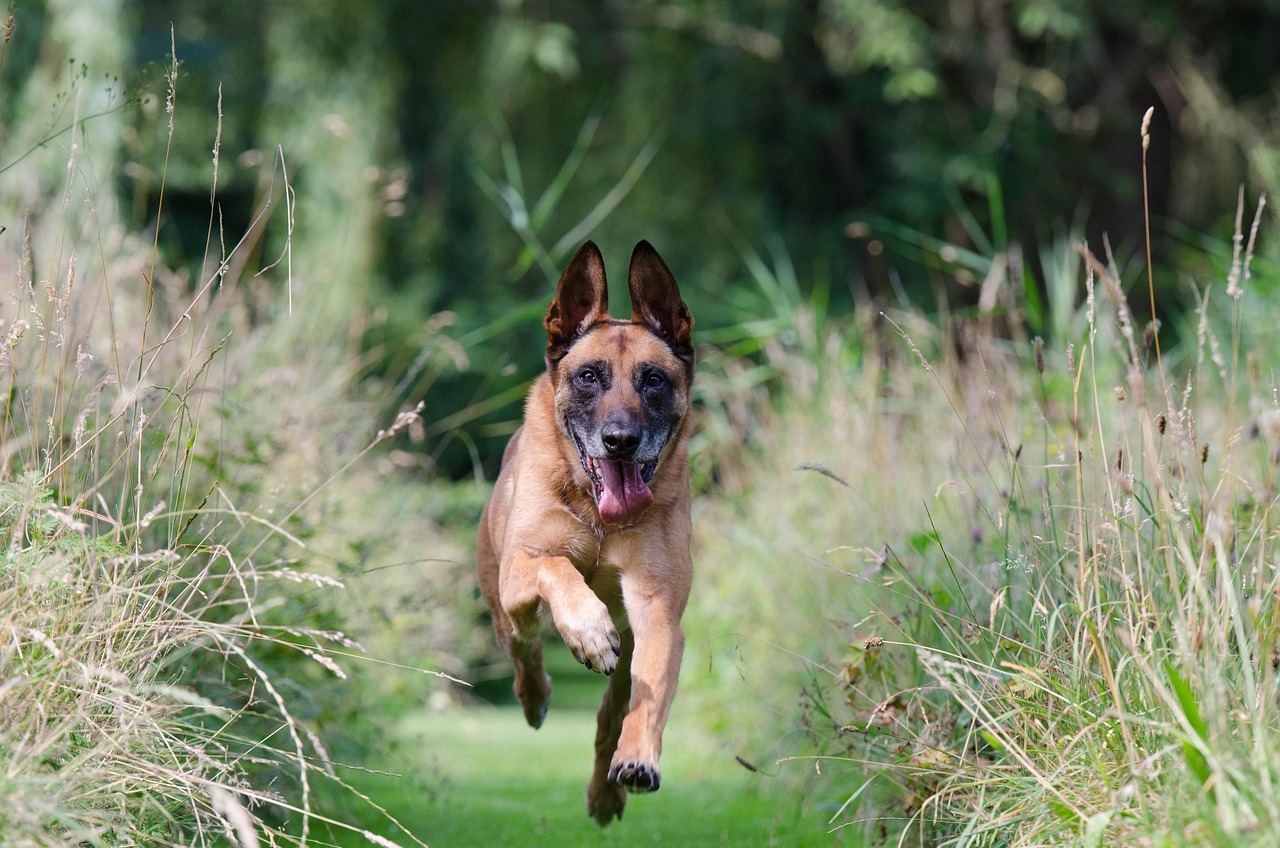

How to Handle Recall Training with Multiple Dogs
Training multiple dogs to come when called can be a rewarding yet challenging endeavor. It demands patience, consistency, and a well-structured approach to ensure that each dog understands the command. Start by establishing a clear space that is free of distractions, as this will improve their focus. Use a variety of rewards—treats, praise, and playtime—to find what motivates each dog best. When training, choose an area where you can safely let the dogs off-leash, allowing them to explore while also practicing the recall command. The aim is to create positive associations with returning to you, solidifying the behavior. Consistency within your commands is vital; if you use the same word and tone for recall, your dogs will begin to anticipate this cue. Utilizing long leashes can add an extra layer of safety while they learn, giving you control. This method makes it easier to manage their movements and reinforce the command with immediate rewards when they succeed. By implementing these strategies, you can foster reliable recall behavior in your dogs, enhancing their training experience and your bond with them.
To facilitate the recall training for multiple dogs, establish a clear training schedule and routine. Consistency is integral when working with more than one dog, as having them train simultaneously or in a staggered manner can help keep the process organized. When training, designate specific days for practice to promote regular learning. Begin with short sessions that last about 5 to 10 minutes to avoid overwhelming them. During these sessions, engage in activities that naturally incorporate recall commands, such as interactive games. For instance, practicing fetch can prime your dogs to return to you with the toy, making it a fun experience for both the handler and the dogs. Gradually increase the duration of the training sessions, focusing on reinforcing positive outcomes. It’s crucial to maintain enthusiasm throughout the training process for maximum effectiveness. Ensuring that every successful recall is rewarded reinforces the desired behavior. Dogs thrive on positive reinforcement, so mix it up with different treats and praise. These strategies can significantly improve the effectiveness of your training efforts, leading to a successful recall command.
Using Distraction Control
Managing multiple dogs during recall training means learning how to control distractions effectively. Distractions can come in many forms—another dog, noise, or even interesting scents on the ground. To minimize potential distractions, begin your training in a quiet area. Gradually introduce more stimulating environments as your dogs improve. Adjusting the environment will challenge them, helping them develop focus amidst distractions. Before giving the recall command, practice attention-getting methods, such as gently calling their names or clapping your hands. Once you have their attention, quickly give the recall command followed by an excited tone. The goal is to make returning to you a fun and rewarding experience over time. If distractions are too significant at the moment, consider using high-value treats or engaging toys that they particularly enjoy. This can help redirect their focus back to you. Remember to maintain calmness and avoid scolding them if they don’t respond immediately. Keep the atmosphere positive to ensure they view training as an enjoyable experience.
Incorporating games into your training sessions can be an excellent way to motivate multiple dogs during recall training. Games are not only fun, but they also serve as enhanced learning opportunities. One effective game is ‘hide and seek.’ Start by having one person hold onto the dogs while another trainer hides a short distance away. After a few seconds, call the dogs one by one, rewarding each for returning to you. This not only reinforces the recall command but also allows the dogs to associate their name with positive actions. Another delightful game is the ‘recall relay,’ involving a partner standing at a distance while you call each dog back. This allows for a bit of competition between the dogs while maintaining their focus. Make the atmosphere lively and filled with enthusiasm, encouraging them to return to you quickly. Utilizing games like these enhances engagement throughout the training sessions, fostering a joyful learning environment. Dogs love to play, which makes them inherently more responsive to commands when wrapped in an enjoyable game.
Maintaining Enthusiasm in Training
Continually boosting your dogs’ enthusiasm during recall training is essential for sustained interest. Keeping the sessions enjoyable ensures that the dogs remain eager to participate rather than seeing it as a tedious activity. One way to amp up enthusiasm is through varied rewards. Incorporate a mixture of food treats, verbal praise, and playtime as rewards for success. You can use high-value treats such as small pieces of chicken or cheese during training, ensuring greater incentive to return. Likewise, intersperse training with short bursts of play or affection as rewards. During training, ensure your tone is energetic and encouraging when calling them. If a dog appears disinterested, it may help to change your body language by crouching down or opening your arms wide to create a welcoming gesture. These actions can inspire a dog to respond with enthusiasm. Always remember to celebrate their success! Every time they return, offer ample praise, petting, or their favorite toy to celebrate their achievement. This positive feedback loop serves to reinforce the desired behavior during these training sessions.
Sometimes, integrating distractions gradually during recall training presents significant advantages. Start introducing mild distractions once they consistently respond to the recall command; this is a critical phase for improvement. Take a moment to identify elements that may draw your dogs’ attention, whether it is other people, noises, or objects. Begin by adding simple distractions, such as another person quietly walking by. Reward the dogs for maintaining focus while exposed to these distractions. Gradually work up to more significant challenges by training in environments where there are other dogs or more noise. Remember to keep the training positive; if a dog fails to respond to a recall, do not punish them. Instead, reinforce the training and attempt again with a controlled approach. This gradual exposure helps dogs learn to differentiate between distractions, allowing them to return to you reliably, even in bustling environments. This approach helps to convey that returning to you is still essential, regardless of what may catch their attention, resulting in a solid recall behavior.
Verifying Progress with Multiple Dogs
It’s crucial to regularly assess each dog’s progress in recall training. Each dog develops at their unique pace, and recognizing milestones can help in adjusting your methods accordingly. Maintain a training journal to document each dog’s performance over time, noting successes and when they struggled. This record can help you identify patterns and make necessary adjustments. Regular evaluations can also enable you to separate dogs that may require more focused attention during training. Create specific mini-goals based on each dog’s performance, which can guide you in establishing realistic expectations moving forward. Make sure to celebrate when overcoming specific hurdles as this boosts their confidence aplenty. If a dog is consistently responding well, consider gradually increasing the difficulty level of your sessions. This could involve new environments or incorporating more distractions. Equally, if a dog is struggling, revert to earlier stages of training until their confidence builds. Providing individualized training approaches can significantly enhance your overall training effectiveness and ensure that every dog improves steadily in their recall skills.
In conclusion, handling recall training with multiple dogs is entirely achievable through patience, consistency, and enthusiastic engagement. Following established techniques, integrating games, and providing individualized attention create a solid foundation for success. Focus on providing plenty of positive reinforcement to foster a desire within your dogs to return to you when called. Keep training sessions fresh and lively by varying your approach. Introducing distractions progressively as dogs learn solidifies their recall skills, making them reliable companions. Important milestones should be celebrated regularly, as they can boost each dog’s confidence and promote their love for training. Monitoring progress ensures adjustments are made accordingly, providing a tailored approach to their training strengths and weaknesses. Ultimately, the key to successful recall training lies in building a trusting relationship with each dog while making their learning process enjoyable. With dedication and the right strategies, you can achieve effective recall with all your dogs, providing peace of mind and enhancing your bond with them. The journey may be challenging at times, but the rewards of a well-trained dog make it all worthwhile in the end.