
Understanding the Social Needs of Different Dog Breeds
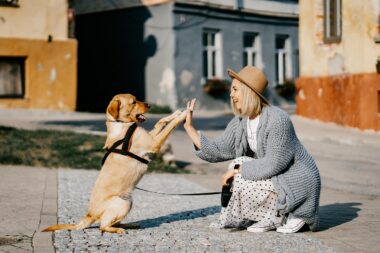
Every dog breed has distinct social needs crucial for their development and happiness. Some breeds thrive on companionship and require high levels of social interaction, while others can be more independent. For example, the Labrador Retriever enjoys being with people and tends to socialize easily. They are known for their friendly temperament and adaptability, making them excellent family pets. In contrast, Greyhounds are more reserved and may not seek companionship as eagerly. Socializing them involves gentle introductions to various environments and people. Dogs like Beagles, known for their curious nature, often need consistent interaction to ensure they are well-adjusted. Regardless of the breed, socializing should start in their formative months to establish an accepting nature. Regular exposure to different settings, sounds, and pets is necessary for decreasing anxiety and building confidence. Specialized dog classes or playgroups can be beneficial for providing these experiences. Meanwhile, utilizing rewards such as treats can encourage the desired social behavior. If unsure about a dog’s social needs, consult a professional trainer to create an effective socialization plan tailored to your dog’s specific breed traits.
Different dog breeds display varying responses to new situations and people, impacting their socialization journey. Poodles, for example, are often more sensitive and might require a gentle hand during introduction to new experiences. Their intelligence makes them quick learners, yet they can become anxious without a supportive approach. On the other hand, Boxers exhibit more extroverted behavior, often eager to engage with humans and other dogs. They love socializing but need consistent boundaries and training to ensure their exuberance remains welcoming, not overwhelming. Understanding these nuances can help new owners create the right social atmosphere. For instance, setting regular playdates with familiar dogs can enhance their social skills and comfort levels. Conversely, breeds like Chow Chows may require a different approach due to their innate protective instincts and mistrust of strangers. Gradual exposure to a variety of controlled environments and positive reinforcement can help lessen their reluctance. Owners should keep in mind that every dog is unique; factors like history, genetics, and previous socialization experiences play a role in their needs and behaviors. Overall, patience is key to navigating this fascinating part of dog ownership.
Group Socialization for Dogs
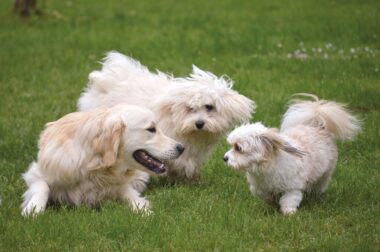
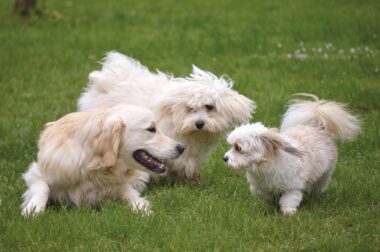
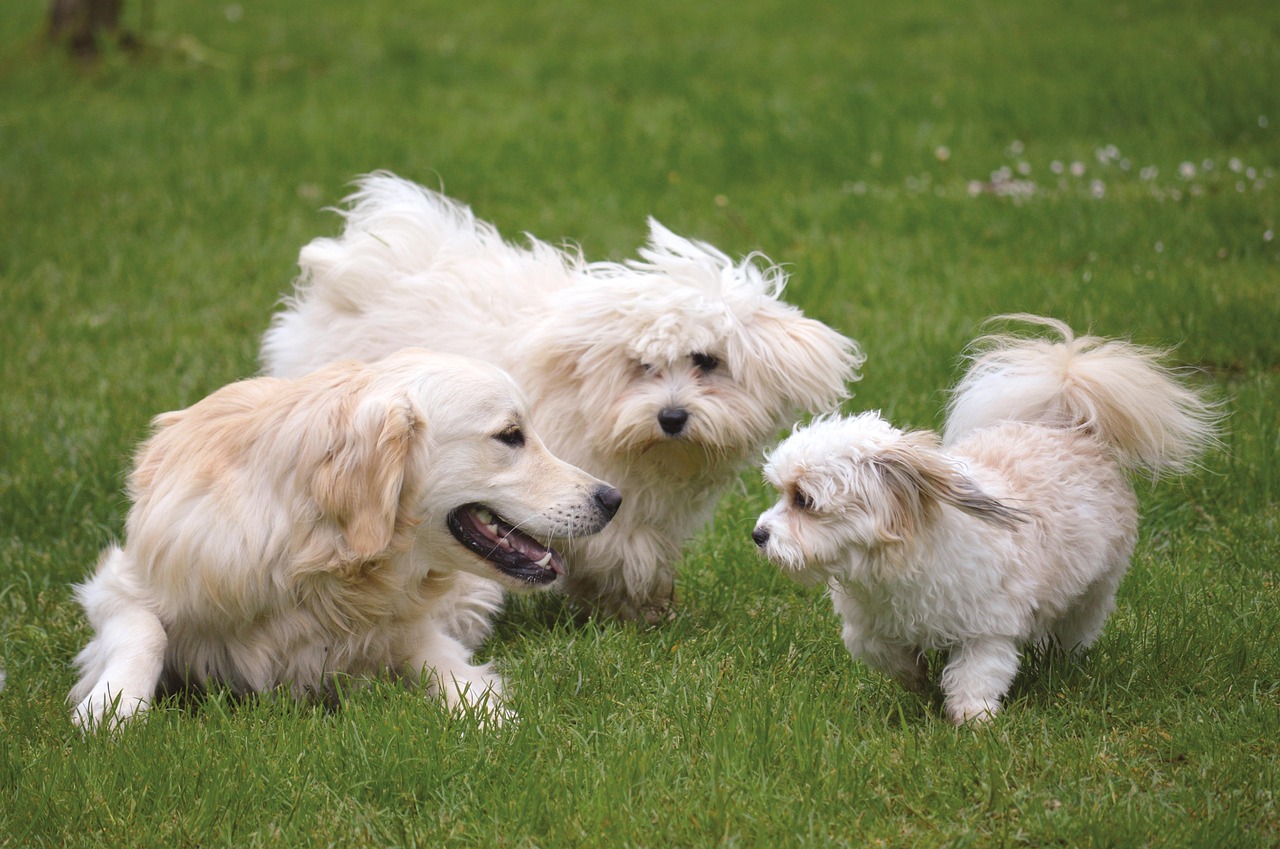
Group socialization activities can provide significant benefits to dogs regardless of their breed or age. These settings allow multiple dogs to interact, contributing to their learning and development in a controlled environment. In structured group settings like dog parks or training classes, dogs learn how to read body language and recognize various social cues among their peers. For instance, Retrievers typically excel in such environments, helping encourage more reserved breeds like Basset Hounds to engage with others. This engagement fosters better communication skills among dogs. Additionally, having a mix of personalities within the pack can teach excellent manners and appropriate behaviors. A well-run doggy daycare can also serve the same purpose, catering to different breeds and their unique needs. Including varied activities, like fetch or agility courses, ensures that each dog has the opportunity to shine. Owners should be attentive throughout these activities, maintaining a close watch on interactions to prevent any rough behavior. As social skills develop over time, owners will observe the transformation as their dog adapts to being more sociable and more comfortable within various situations, greatly enriching their lives.
Another crucial aspect of socializing dogs lies in the timing of their social experiences. Puppies go through critical developmental stages, known as the sensitive periods, when they are most receptive to new experiences. Engaging your puppy with different sights, sounds, and smells during this phase helps build a solid foundation for their future interactions. Conversely, adult dogs may require extra time and careful handling if their previous experiences have made them fearful or overly shyer when encountering new situations. Breed characteristics can influence how easily they adapt during these transitions. For example, Terriers can be more tenacious, so patience and commitment to consistent exposure may be needed. Owners should incorporate socialization activities into their daily routines, allowing their dogs to adjust at their own pace. Structured training classes can also benefit older dogs by offering a space to learn appropriate social skills. Regular outings help build a dog’s confidence while reducing anxious behaviors. Over time, owners will witness remarkable changes in their pets’ attitudes towards new experiences, creating more fulfilling interactions with people and other animals in their environments.
One-on-One Socialization Techniques
When group environments may prove overwhelming, a one-on-one approach can be highly effective. Personal interactions allow for tailored encounters based on the dog’s needs and temperament. This method is highly beneficial for breeds like Shih Tzus, which might struggle with older dogs in chaotic settings. Gradual introductions that focus on positive associations—such as affection and treats—are vital in building trust. Short, frequent meetings with other dogs or individuals can create a more manageable experience for shy or anxious dogs. During these sessions, maintain a relaxed demeanor; dogs often mirror the emotions of their handlers, which can significantly influence their comfort levels. Preparing for the meeting with toys or treats can also create a welcoming atmosphere. It’s essential to observe the dog’s body language throughout, ensuring they remain engaged and calm. Frequent reinforcement gains positive behavior while easing any fears or apprehensions. Over time, these relaxed interactions will contribute positively to building a confident and social dog. Each successful meeting can greatly enhance their adaptation to more complex situations, ensuring they’re well-prepared for a larger social world.
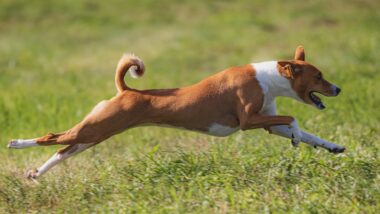
Some breeds are inherently more social while others thrive on a more solitary lifestyle. Understanding the genetic predispositions of different breeds helps owners create suitable social environments. For example, Cavalier King Charles Spaniels are known for their affectionate nature and require daily social interaction with humans and other dogs. It’s crucial for them to feel connected to their family, and missing out on social experiences may lead to anxiety. In contrast, Basenjis can be more independent and less inclined to socialize compared to their smaller counterparts. This breed may enjoy time alone or with just their family and may not require as many social interactions per day. Understanding these preferences and engaging them in suitable activities significantly enhances the quality of life for dogs across the board. Creating stimulating environments conducive to their natural instincts can be beneficial. Additionally, getting involved in breed-specific clubs or forums often provides support and resources for owners seeking advice on effective socialization for their particular breed. Such connections can facilitate even more valuable experiences that contribute to happier pets and more content owners.
Maintaining Social Skills Over Time
Once socialization goals are achieved, maintaining those skills becomes crucial for the dog’s well-being. Owners should incorporate opportunities for continued interaction with people and dogs within their daily lives. Regular outings to parks, community events, or even dog-friendly businesses can keep their social skills sharp. Additionally, consistent playdates with familiar friends allows dogs to engage in healthy, enjoyable interactions. Mixing social settings with varied stimuli, like new toys or environments, helps dogs adapt to changes and avoid staleness in their routine. Developing a reliable social group can be especially helpful, as these familiar faces often lead to improved confidence among dogs. Owners may also consider participating in obedience training classes to reinforce commands and socialize their pets concurrently. Practicing their social skills continues to bond dogs with handlers while enhancing their relationship. Regularly visiting dog training centers or workshops reinforces essential skills and ensures they remain engaged and well-behaved. By prioritizing these activities, owners help enrich their dogs’ lives, making them confident, happy companions who are well-adjusted to their surroundings, promoting lasting friendships and engagement.
In conclusion, understanding the social needs of different dog breeds is vital for fostering happy, well-adjusted pets. A solid social foundation contributes to their emotional and behavioral development over time. While socializing takes effort and consistency, the rewards are substantial as dogs become confident and secure in various environments. Different breeds possess unique traits that influence how they socialize, meaning owners should adapt their approaches accordingly. The capacity for bonding varies greatly, and recognizing when social interactions are beneficial for particular dogs may lead to fulfilling relationships. Commitment to social experiences allows dogs to thrive within their family and community. Overall, the significant investment of time in developing these social skills creates well-behaved companions who can enjoy enriching encounters with humans and other dogs alike. Challenges may arise, but addressing them promptly helps resolve any setbacks in socialization. Adopting these strategies can significantly improve a dog’s happiness and overall quality of life while enhancing the owners’ experience with their canine companions. If you have uncertainties about your dog’s social needs, consult a professional trainer who specializes in breed-specific behaviors to develop an effective plan tailored for your pet.