
Post-Surgical Care for Dogs with Heart Conditions
When your dog undergoes surgery for a heart condition, the recovery phase is critical. Post-surgical care plays a significant role in ensuring the successful healing of your canine companion. Observing your dog closely is essential, as any changes in behavior or health can signal complications. Regularly check for signs of distress, including labored breathing or lethargy. Monitoring their appetite and ensuring they stay hydrated is also paramount. A balanced diet, perhaps suggested by your veterinarian, can promote healing and overall health. Additionally, ensure your dog remains as calm and quiet as possible during recovery to avoid stress on their cardiovascular system. Limited physical activity in the initial weeks is important to allow healing and repair. Instead of letting them jump around, provide a comfortable resting space free from disturbances. If possible, consider using a crate or a confined area where your dog feels safe and secure. Maintaining a routine that includes medications, follow-up veterinary visits, and dietary adjustments will aid in a smooth recovery process. You are your dog’s first line of defense during this crucial time, so don’t hesitate to seek guidance from professionals.
Medication compliance is another key aspect of post-surgical care. Your veterinarian will prescribe medications to manage pain, reduce inflammation, and support heart function. It is crucial to administer these medications as directed, ensuring that the doses are correct and timely. Some pet owners find it helpful to create a medication schedule or chart to track dosages and times. Adding medications to your dog’s food can sometimes make administration easier; however, consult your veterinarian before doing so to ensure it doesn’t affect absorption. Watch for potential side effects such as nausea or lethargy, which may signal the need for adjustment. Keeping a journal of your dog’s recovery progress can also provide valuable insights for follow-up vet visits. Do not hesitate to report any unusual symptoms or side effects that arise post-surgery. This can help your veterinarian make necessary modifications to the treatment. Emotional support is equally essential during recovery. It can be a stressful time for both you and your dog. Provide comfort through gentle petting, soothing words, and maintaining a calm environment. This emotional bond plays a crucial role in aiding your dog’s recovery.
Nutritional Needs and Considerations
During the recovery period, nutrition becomes even more important for dogs with heart conditions. It is essential to discuss dietary needs with your veterinarian, who may recommend special food formulations designed to support heart health. Look for options that contain high-quality proteins and are low in sodium, as excessive salt can strain your dog’s cardiovascular system. Additionally, integrating omega-3 fatty acids, often found in fish oil, can provide anti-inflammatory benefits and support heart health. Hydration is equally vital; ensure your dog has access to fresh water at all times to prevent dehydration, which can impede recovery. If your dog is hesitant to eat, consider offering smaller portions of their favorite foods or gently warming meals to enhance aroma appeal. Monitor weight closely during recovery, as changes can indicate shifting health states. Regular weigh-ins can help track progress and guide dietary adjustments. It’s advisable to avoid feeding your dog human snacks or leftovers, which may not align with their new nutritional requirements. If you introduce any new foods, do so gradually to prevent digestive upset.
Veterinary follow-up visits are an essential part of post-surgical care. Scheduling these appointments allows your veterinarian to evaluate your dog’s heart condition and overall recovery progress. During these visits, your vet will likely perform health checks, including listening to their heart and checking vital signs. This is also an opportunity to address any concerns you may have noticed at home, such as changes in energy levels or posture. Diagnostic tests like blood work or imaging may be recommended to observe heart function. Ensure that you keep a detailed record of any symptoms or changes, as this can be invaluable to your vet. If you ever feel unsure or have questions about your dog’s recovery, do not hesitate to reach out to your vet immediately. It’s crucial to communicate openly about their progress to facilitate the best possible outcome. Beyond these check-ups, ongoing monitoring at home to track recovery trends is advantageous. Recognize the signs of improved health, such as increased activity, appetite, and general well-being. This attentiveness gives you insights into your dog’s response to treatment, helping you report effectively during vet visits.
Rest and Physical Activity Restrictions
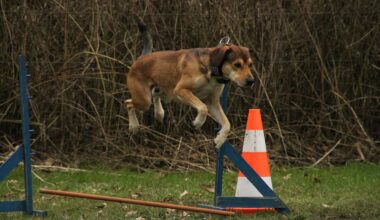
Rest is critical for dogs recovering from heart surgery, as it minimizes the risk of complications. Avoid strenuous activities for at least several weeks post-surgery. Activities like running, jumping, or extended play should be limited to ensure optimal recovery. Instead, create a calming environment that encourages restful behavior. Keep your dog’s activities low-key, opting for short, gentle walks when they seem ready. Redirecting their energy towards engaging but low-impact toys can also help keep their spirits up. Always use a leash during walks to maintain control and prevent exertion. Gradually increase activity levels as recommended by your veterinarian, closely monitoring your dog’s response. If they show signs of distress or fatigue, it may be necessary to pull back on their physical activity. Likewise, make adjustments to their living space, ensuring it’s comfortable and secure. Steps, rough terrain, or steep areas should be avoided to prevent unnecessary strain. Following these guidelines can significantly aid in your dog’s recovery while ensuring their heart remains stable. Being mindful of their physical capabilities is a crucial component of their overall post-surgical care.
Lastly, focus on emotional well-being during your dog’s recovery. Many heart conditions can lead to anxiety or stress, which may slow the healing process. Providing comfort and companionship will help alleviate feelings of unease during this period. Engage in calm activities such as cuddling, gentle grooming, or quiet time together. These moments not only provide emotional support but foster a deeper bond between you and your furry friend. If your dog seems anxious, consider employing techniques such as creating a soothing environment with soft music or using comforting scents. If anxiety persists, speak to your veterinarian about safe options for anxiety management. There might be medications or natural remedies that can assist during recovery. Training or social fields should be avoided until your veterinarian clears the dog for more activity. More importantly, ensure that visitors are limited as overstimulation can contribute to anxiety. This period of recovery requires patience, and nurturing your dog’s emotional health is just as important as their physical health. By addressing both aspects, you create a conducive environment for a smooth recovery.
Conclusion: A Holistic Approach to Recovery
In conclusion, post-surgical care for dogs with heart conditions comes down to a holistic approach that includes smart nutritional choices, medication compliance, and emotional support. Every dog is unique; therefore, tailor the recovery plan to your pet’s specific needs. Engage in communication with your veterinarian throughout this process, as they are your best resource for guidance and support. Being informed about your dog’s condition allows you to identify any potential issues early. Establishing a caring, stable environment plus appropriate activity restrictions aids in their recovery. Promoting a low-stress environment encourages healing and helps ensure your dog is comfortable during recovery. Active participation in your dog’s healing process is key to long-term success. Regular progress checks and adjust care plans based on their response ensure that you will pave a successful path forward. Remember that patience is essential; recovery may take time, but your dog will appreciate your efforts. By creating a loving, supportive atmosphere where physical and emotional health is prioritized, you help ensure that your dog will return to their joyful, playful self post-recovery.
In addition to physical care, understanding your dog’s emotional state during recovery is crucial. Be observant and patient, as your dog may require extra affection and reassurance. Behavioral changes such as increased clinginess, reluctance to eat, or signs of depression may occur. Address these appropriately by offering comfort and a steady routine that fosters security. Engaging your dog in quiet play, gentle training sessions, or simple outdoor exploration can uplift their spirits while respecting their limits. Providing mental stimulation through puzzle toys or treat-dispensing games can help keep their mind engaged without overstimulation. Consistent interaction encourages trust and a sense of normalcy as they heal. Consult your veterinarian about activities that can be safely enjoyed together. Balancing activity with rest will promote healing and mental well-being. Finally, creating a tranquil environment with familiar scents or soft bedding can create a comforting space. Ensure that noise levels are kept low, and limit any disruptive disturbances that may stress your dog. Ultimately, the care you provide, physically and emotionally, will significantly influence your dog’s recovery outcome while fortifying your bond.