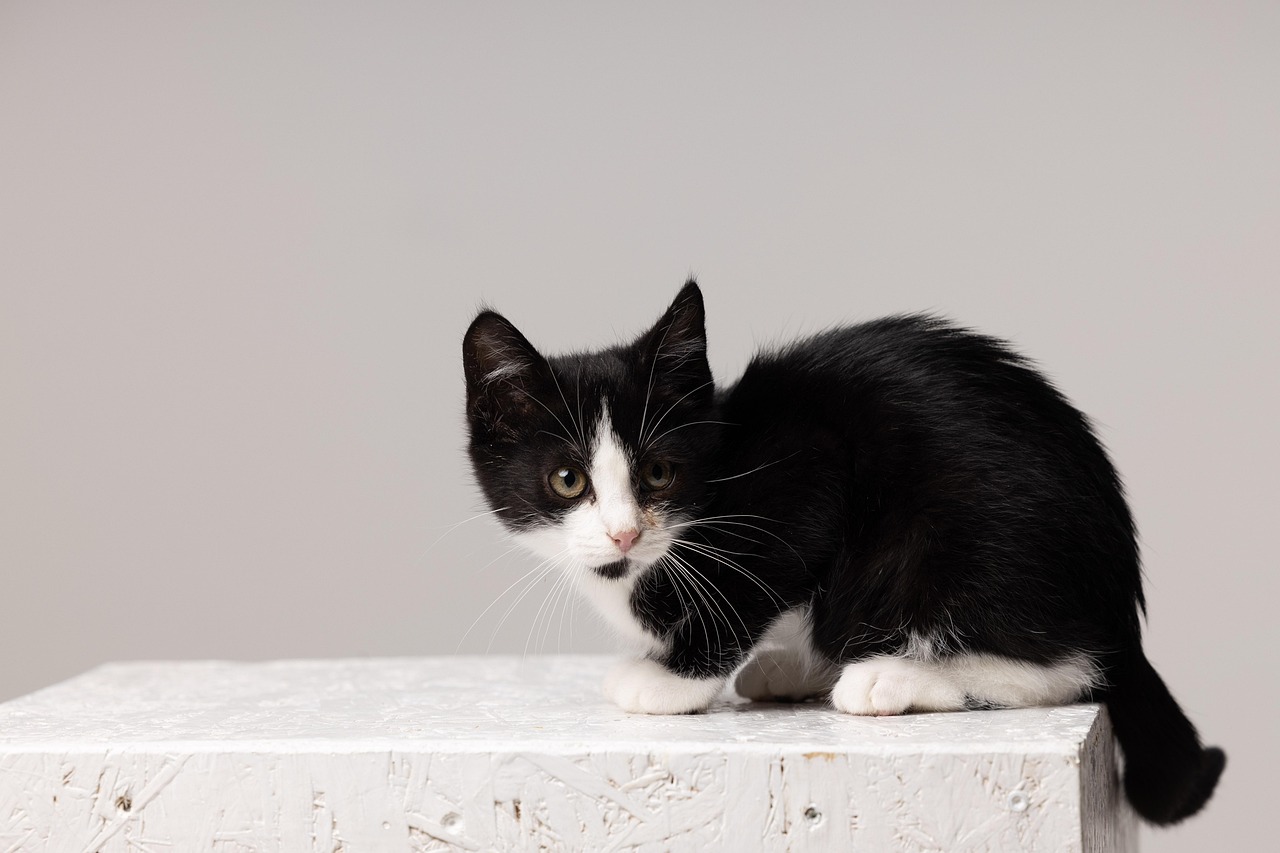

Building a Cat Rescue Photo Archive: Why It Matters
Creating a photo archive for cat rescue endeavors serves numerous important purposes. First, it supports the mission of raising awareness about the plight of stray and abandoned cats. High-quality photographs can powerfully convey the emotions associated with rescue work. These images humanize the cats in need, highlighting their personalities and stories, eliciting empathy from viewers. In an ideal scenario, such evocative images inspire individuals to donate or volunteer in support of the cause. It’s crucial to not just showcase the cats but to pair each image with engaging narratives about their journeys. Furthermore, an organized archive helps track the cats’ recovery and adoption successes over time. Moreover, photographs can play a key role in training new volunteers and educating the public about best practices for cat care and rescue. They act as visual aids, making lessons more memorable. When a rescue group can visually present their work, it adds credibility and attractiveness to their campaigns. In turn, this could translate into increased support from the community, ultimately benefiting more cats in need of homes.
Additionally, photography in cat rescue work offers essential documentation of each cat’s journey. In the initial stages of rescue, detailed photographs establish a visual timeline, marking each milestone for the rescued felines. Images often serve to capture their health status upon arrival at the shelter, which is crucial for veterinary documentation and ongoing care. Rescues can highlight major transformations through before and after comparisons. Moreover, promoting success stories with visual evidence has the power to motivate and inspire others in the community. It’s uplifting to see that change is achievable, often accompanied by captions that share the inspirational details of each cat’s transition. Moreover, a well-maintained archive can help rescue organizations build relationships with media outlets, which can lead to valuable press coverage. Local news segments, articles, or social media features can spotlight the rescue organization and its efforts. This visibility is invaluable in attracting more volunteers, donations, or even fostering more adoptions. When the community sees the direct impact of its involvement, it can motivate others to join, resulting in a collective effort towards improving the lives of abandoned cats.
The Importance of Quality Photography
High-quality photography is an indispensable aspect of cat rescue documentation. To bring out the best in our feline friends, proper lighting, focus, and composition are necessary. Professional-grade images can create an authentic emotional connection with potential adopters, drawing them in as they browse through a rescue site or social media pages. It’s essential to highlight the unique features and personalities of each cat. Adopters are more likely to feel compelled to act when they see the beauty and charm of a cat unfold through captivating photography. Great action shots or playful candid moments can make a significant difference. Investing time into improving photographic skills or collaborating with local photographers can yield rewarding results. High-quality photos can effectively showcase the varying personalities of cats, making each one stand out in a crowded shelter environment. Furthermore, professional images convey a message of care and attention to detail, reflecting the value that the organization places on the animals it rescues. A well-executed photo archive fosters trust and credibility, encouraging more people to support the noble work of rescuing cats in need.
Moreover, an organized cat rescue photo archive can serve multiple advocacy purposes. Individual success stories, combined with strong visuals, can be shared across social media platforms, reaching a broader audience. These posts can become highly shareable content, bringing awareness to the need for rescue and adoption. Rescued cats narrate poignant stories through their photographs, acting as ambassadors for their peers still waiting for homes. This storytelling aspect is powerful; images inherently carry emotions that text may struggle to convey alone. Households that may not have considered adopting a cat previously can find themselves inspired by a well-timed photo post. Furthermore, a robust archive can be utilized for fundraising campaigns, with images illustrating exactly where donations go. Potential donors are more likely to give when they understand the tangible impact of their contributions. Petitions, social media campaigns, and community drives can all harness the visual impact of a well-curated photo archive, advocating for better treatment of cats everywhere. By engaging the audience effectively through emotional imagery, the collective drive for action will yield significant outcomes in the fight against feline homelessness.
Effective Strategies for Building an Archive
Building an effective cat rescue photo archive begins with proper categorization of images. Segmenting photos by events, individual cats, or special milestones provides an organized structure that’s easy to navigate. A comprehensive naming convention also helps identify images, making future searches straightforward. Using tags, captions, and descriptions further enhances searchability, ensuring photos are retrievable when needed. Regularly scheduled photographic sessions are also vital, capturing initial rescues, veterinary visits, and adoption days. Additionally, engaging volunteers to document their experiences with the cats fosters a sense of ownership and encourages storytelling. By utilizing a digital platform such as Google Drive or a dedicated photo gallery, access to the images becomes seamless for team members. Training volunteers on basic photography skills can elevate the quality of images captured. Taking the time to explain essential principles like focus, lighting, and angles ensures consistency and professionalism throughout the archive. Lastly, keeping the archive updated and maintained is crucial. Scheduled reviews can help clear outdated images from the file and replace them with newer representations of the cats and the organization’s growth.
Beyond organization, sharing the archive with the community can also create strong connections. Volunteers and supporters love to see the fruits of their labor showcased through compelling narratives and engaging visuals. Regular updates that highlight recent rescues or adoptions can keep the community informed and engaged. A dedicated monthly newsletter or social media campaign focusing on the archive’s best photographs ensures continuous interest among followers. Prompting followers to share their own rescue stories using the organization’s hashtags prompts an ongoing conversation, fostering a supportive environment. Additionally, photographers who contribute to the archive may benefit from increased visibility for their work. Recognizing their contributions publicly can encourage further collaboration and attract new talent. This collective enthusiasm enriches the documentation process, creating a culture of sharing and connection. Compiling the best of the month into a photo highlight reel promotes the cats and engages the audience, ultimately leading to greater support for the organization. Harnessing the community’s support and enthusiasm will only bolster the archive’s success and its impact on feline welfare.
Conclusion: The Power of Visual Documentation
In conclusion, building a cat rescue photo archive is not just about preserving memories; it’s about harnessing the power of visual documentation to advocate for change. Each photograph tells a story, and together they create a tapestry of hope and compassion for these animals. This archive can educate, inspire, and mobilize people to take action, whether through adoption, volunteering, or donations. The images are a vital resource that can attract support and shine a spotlight on the tireless work of cat rescuers. Ultimately, the impact of an archive extends far beyond its digital space; it shapes the conversation surrounding feline welfare. For every upload, every share, and every success story broadcasted online, we plant seeds of change in the hearts of our audience. The emotional resonance conveyed through these photos can drive transformative action, ultimately contributing to the well-being of cats across communities. As advocates for these vulnerable beings, we owe it to them to document their journeys professionally and compassionately. By investing in a photographic narrative, cat rescues can create a legacy grounded in empathy, understanding, and care.