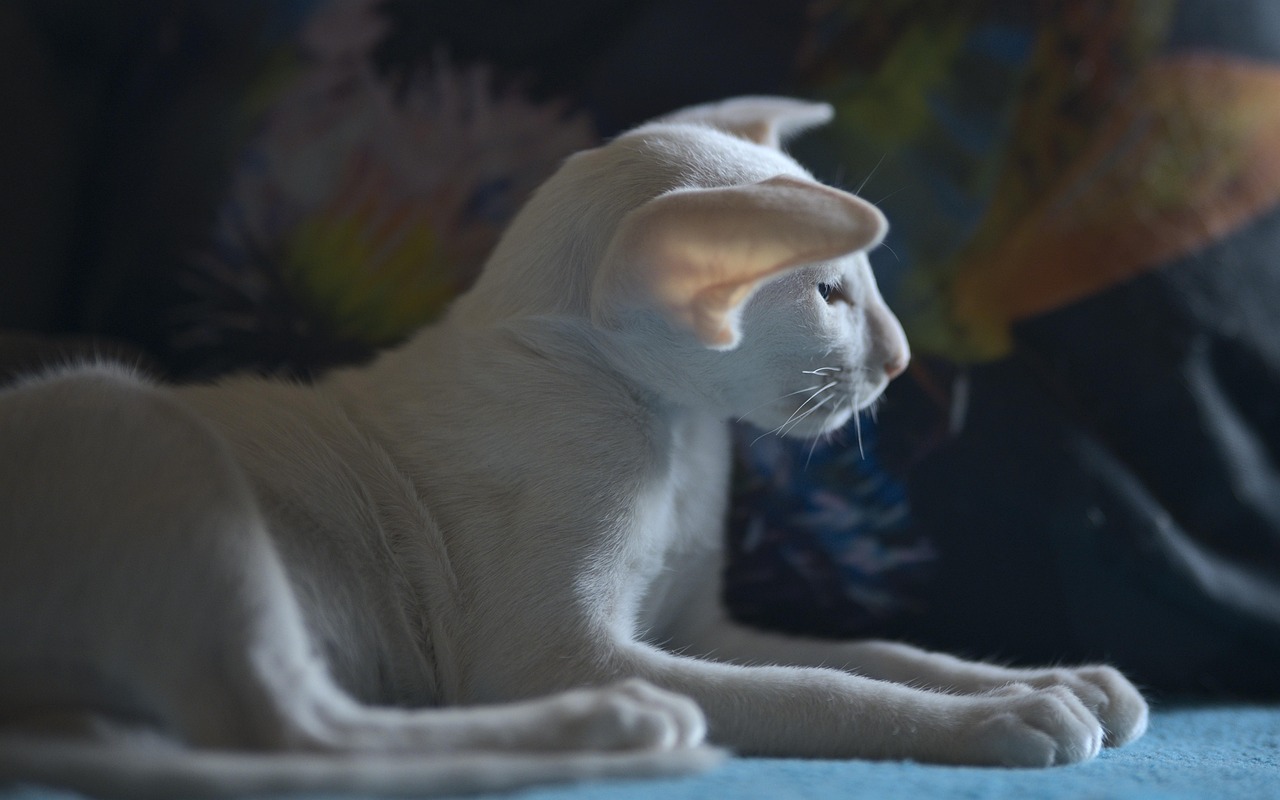

Grooming Tips for Maintaining the Sleek Coat of an Oriental Shorthair
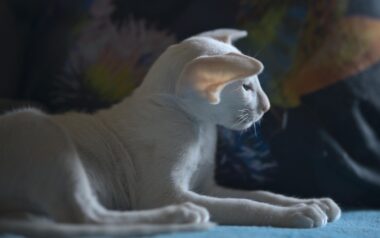
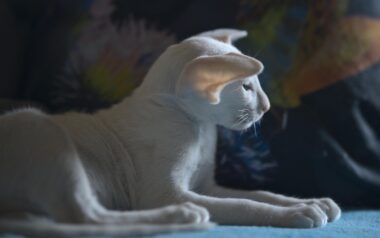
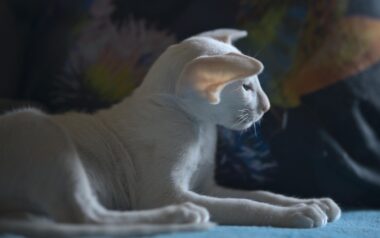
The Oriental Shorthair is known for its short, sleek coat that showcases a vibrant array of colors and patterns. To maintain this stunning coat, regular grooming is essential. One of the best methods to do this is through weekly brushing sessions. Using a fine-toothed comb or a rubber grooming mitt can assist in removing loose hair and debris while distributing natural oils across their coat. This not only helps keep the fur shiny but also significantly reduces shedding in your home. Additionally, establishing a grooming routine helps you bond with your feline friend. Remember, the goal is to make grooming a pleasant experience for both you and your cat. For good results, consider grooming in a quiet space where your pet feels comfortable. Always monitor your cat’s mood during grooming sessions and stop if they seem stressed or agitated. Choose a time when they are relaxed, perhaps after a meal or a play session. With consistent grooming, you can ensure your Oriental Shorthair remains healthy and their coat stays as beautiful as ever.
Another vital aspect of care for an Oriental Shorthair’s coat involves their diet and nutrition. A balanced, high-quality diet is crucial for skin and coat health. Foods rich in omega-3 fatty acids and high-quality proteins promote healthy fur and vibrant skin. Always consult with your veterinarian to determine the best nutritional plan tailored to your cat’s needs. Water accessibility is equally important; cats must remain hydrated for optimal coat condition. Regularly check the water bowl to ensure your cat has constant access to fresh water throughout the day. An active lifestyle also contributes to their well-being. Engage your Oriental Shorthair in play regularly, encouraging them to exercise. This not only keeps them fit but also helps reduce stress. Stress can lead to shedding and skin issues. Consider interactive toys that stimulate their playful instincts and allow them to express their natural behaviors. Importantly, ensure they have scratching posts or surfaces to maintain their claws. Cats use scratching as a means of exercise and coat maintenance, which can be beneficial for their sleek appearance.
Bathing Your Oriental Shorthair
Bathing your Oriental Shorthair is generally recommended only when necessary, as these cats often keep themselves clean. However, there are occasions when a bath can be beneficial, such as when they’ve rolled in something messy or have become particularly smelly. When bathing your cat, ensure you have a gentle pet shampoo specifically formulated for cats. Human shampoos can disrupt their skin balance, causing dryness or irritation. Before starting, brush your cat to remove loose hairs and prepare them for the bath, which helps avoid matting. Use lukewarm water and be cautious not to get water in their ears, eyes, or nose. Dry your cat gently with a towel afterwards. If your Oriental Shorthair enjoys water, let them play for a bit before rinsing off the shampoo. Supervise them during the entire process and remain calm as it promotes a relaxed environment. Some cats may tolerate a bath better than others; therefore, know your cat’s temperament. Always provide treats after the bath to create a positive association with this grooming practice. Over time, they may begin to see bath time as a fun experience.
Regular inspection of your Oriental Shorthair’s paws is essential in their grooming regimen. Their paws can accumulate dirt and debris during play. Check between their toes and around their pads for any buildup, ensuring they stay clean and healthy. If you notice prolonged dirt accumulation, this may lead to infections or irritations. Keep their claws trimmed to prevent them from becoming too long, which can be uncomfortable. Use a specialized cat claw clipper to do this safely and effectively. Cats may resist nail-trimming, so introducing this practice gradually helps to familiarize them with the process. Always offers treats and praises during paw checks to create a positive experience. If your cat shows signs of discomfort or pain while grooming, consult your veterinarian as this may indicate an underlying issue. Roofing their paws with regular vigour helps them remain active and prevents anxiety-related behaviors. By incorporating paw inspections into a grooming routine, you can ensure your Oriental Shorthair’s health and happiness for years to come. Remember that maintaining a strong bond during these sessions is as important as the physical care you provide.
Ear and Eye Care
Attention to your Oriental Shorthair’s ears and eyes is vital. Cleaning their ears regularly helps prevent wax buildup and possible infections. Use a vet-recommended ear cleaner on a cotton ball and gently clean the outer ear. Avoid inserting anything deep into the ear canal—this could cause damage. Regular ear cleaning can help keep your cat comfortable and healthy. Eye care is equally important, as cats often develop tear staining. Use a damp cloth to wipe around their eyes gently. Should you notice any excessive discharge or redness, consult your veterinarian. Their eyes reflect their overall health, so any changes can indicate a problem that requires attention. For some Oriental Shorthairs, particularly those with prominent eyes, regular maintenance is even more crucial. Ensuring clean ears and eyes can ensure your precious pet remains comfortable and avoids irritation. Staying observant about these areas can help you catch potential issues early on. Creating a gentle and routine-focused approach to ear and eye care can seamlessly integrate into your regular grooming practice.
Environmental factors can influence the health of your Oriental Shorthair’s coat. Ensure your living space remains clean and free of allergens. Regular vacuuming and cleaning can help eliminate hair and dander. Monthly deep cleans can assist in refreshing the overall environment in your home, which positively impacts your cat’s coat condition. If possible, consider using air purifiers to enhance the air quality in your living space. Dust, mold, and pollen can lead to skin irritations or coat problems. Keeping your cat’s living area uncluttered and organized can also prevent accidents or mental stress from disarray. Provide a cozy bed located in a stress-free area where your Oriental Shorthair can retreat and relax. Adequate rest and a safe zone are beneficial for their mental health and overall grooming. Ensure any plants in the home are non-toxic, as some can lead to skin issues or illness. By evaluating the environment surrounding your cat, you can promote a healthy coating while curtailing conditions that affect their skin’s quality.
Conclusion
In conclusion, maintaining the sleek coat of your Oriental Shorthair involves regular grooming, a balanced diet, and attention to their environment. Each aspect contributes significantly to the cat’s overall health and the effectiveness of your grooming efforts. Stay consistent with your grooming routine, prioritizing brushing sessions while considering their dietary needs. Remember that a calm and affectionate approach promotes trust between you and your cat, making grooming a more enjoyable experience. Each nail trimming or ear inspection can be bonded with treats and positive reinforcement. Create a schedule that accommodates their temperament while addressing various grooming tasks without overwhelming them. A clean living environment significantly improves the health of their fur, creating a holistic approach to grooming. Ears and eyes should be incorporated into your routine, as clean ears promote comfort and healthy eyes signal good health. With careful observation and attention to detail, you can foster a thriving atmosphere for your Oriental Shorthair. Combined with your love and effort, you ensure that their coat remains sleek, healthy, and undeniably stunning.