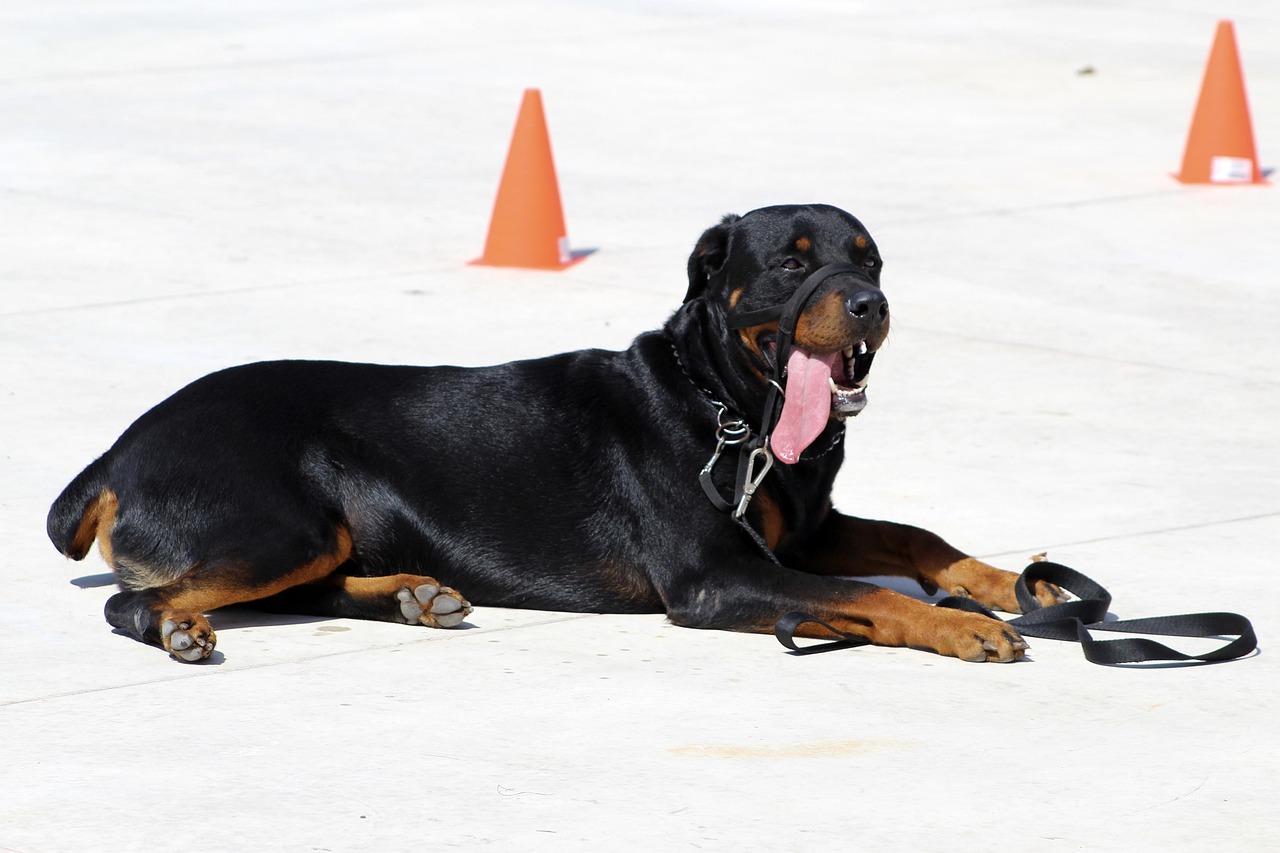

Common Mistakes When Teaching the Settle Command and How to Avoid Them
Teaching the settle command to your dog is essential for fostering good behavior and tranquility. However, trainers often make common mistakes that can hinder progress. One significant error is using inconsistent commands. When a dog receives differing cues for the same action, it can become confused. Consistency in command phrases is crucial for success. It’s also vital to ensure that everyone in the household uses the same command. This consistency helps create a more solid understanding for the dog. Another mistake is neglecting the importance of patience. Dogs do not always catch on quickly, and rushing them can lead to frustration for both the owner and the dog. Instead of expecting immediate results, allow your dog time to adjust. Remain calm and give plenty of positive reinforcement for progress, however small. These actions create a positive training atmosphere that boosts the dog’s confidence. In addition to this, avoiding distractions during training sessions is necessary to maintain focus. Start in a quiet environment where the dog can concentrate fully on learning, free from external stimuli. Overcoming these errors can significantly enhance the training experience for both you and your dog.
A crucial aspect of teaching the settle command is understanding how to use rewards effectively. Many trainers mistakenly over-rely on treats, thinking this will always motivate their dogs. However, dogs respond differently based on individual preferences. While some dogs may be food-motivated, others are more inspired by praise or play. Determine what drives your dog the most and adjust reward strategies accordingly. This personalization in reward-based training leads to more successful outcomes. Additionally, timing is everything when providing rewards. Reinforcing your dog immediately after they perform the correct behavior is vital. Delaying could confuse your dog, making them unsure of what behavior earned them a treat or praise. Offering rewards during each successful attempt at settling can help establish a clearer connection between the command and the behavior. Another pitfall is failing to gradually increase the difficulty of the lesson. As dogs become more comfortable with the settle command, introducing distractions in practice sessions is essential. Begin gradually, and as the dog masters the command, increase the difficulty to further reinforce the behavior in real-world scenarios. This strategic approach can significantly enhance the dog’s learning experience.
Importance of Environment in Training
The environment plays a significant role when teaching the settle command to your dog. Many trainers underestimate how crucial it is to create a calm and quiet space for training sessions. Teaching commands in busy or chaotic environments can overwhelm your dog, leading to distractions that hinder learning. Begin training in a quiet location without noise or distractions. Once your dog masters the command in a peaceful setting, gradually introduce them to more stimulating environments. This strategy allows the dog to adjust to distractions progressively, building confidence in their ability to listen and respond even when there are challenges. The training environment also impacts the dog’s focus. Ensure that the area is free from other pets or people who may steal their attention. Another environmental factor to consider is the timing of training sessions. Find times during the day when your dog is naturally calmer or less excitable. Early morning or late evening might work best, depending on their routine. These mindful considerations in training spaces can significantly improve your dog’s learning curve and retention of the settle command.
Another common mistake when teaching the settle command is the misunderstanding of body language. Dogs are highly attuned to human emotions and body signals. If you exhibit tension or frustration while training, your dog likely senses this and may become anxious or disengaged. It’s essential to maintain a relaxed and positive demeanor throughout your training sessions. Encourage calmness in yourself and reward the same state in your dog. Also, employing proper body positioning can significantly impact your dog’s ability to settle. For example, if you’re too far or standing over your dog, they may feel intimidated rather than relaxed. Instead, kneel or sit beside your dog, adopting a friendly posture that invites comfort. Additionally, avoid repeating commands excessively, as this can lead to confusion or disregard for authority. Aim to keep your commands clear and concise. After a few attempts, if your dog doesn’t comply, reassess the situation rather than continuously repeating the command. Maintaining a balanced and engaging approach focuses on effective learning, making it easier for your dog to grasp the settle command.
Building Duration and Distance
When teaching the settle command, another typical mistake trainers make is not reinforcing both duration and distance. It’s crucial to teach your dog not only to settle but also to remain in that position for longer periods. Failing to gradually increase the duration can lead to a lack of focus and understanding in the lesson. Start with short periods of settling, rewarding your dog immediately when they stay in that position. As they become comfortable, slowly extend the duration for which they must remain settled. This process helps reinforce the command and the expected behaviour. Also, incorporate distance into your training. Gradually increase the space between you and your dog while they are in the settle position. This teaches the dog that they must remain settled even if you’re not directly beside them. Combining both duration and distance can create a comprehensive understanding of the settle command. It’s essential to offer consistent rewards throughout these training phases until your dog feels secure in their role. Accomplishing this can lead to remarkable improvements in their overall obedience and comfort in various situations.
The final mistake commonly made while teaching the settle command is neglecting to generalize the command. Many trainers solely practice the command in their home environment, which can limit the dog’s understanding of its applicability elsewhere. For a dog to truly learn the command, they need to experience it in different situational contexts. Start in your comfort zone, ensuring your dog becomes familiar with settling in a known environment. Once they can reliably settle at home, transition to other areas like the yard, park, or even indoors at friends’ houses. Each new location introduces different distractions that must be addressed to reinforce their learning. Remember that the goal isn’t merely to achieve obedience but to ensure your dog can confidently settle in various environments. This, in turn, promotes good behavior and less anxiety in unfamiliar situations. Establishing a solid foundation of the settle command in diverse settings makes it much easier when out in public. The more comfortable the dog feels with the command in diverse locations, the more relaxed and well-behaved they’ll be in all situations.
In conclusion, successfully teaching the settle command requires avoiding common pitfalls. By ensuring consistency, understanding individualized rewards, creating suitable training environments, and recognizing the complexities of dog training behavior, owners can make significant progress. Staying patient and calm, while allowing for mistakes, can lead to a positive learning atmosphere. Educating yourself about dog behavior and learning principles further aids in this process. Alongside necessity for practicing distance and duration, it’s vital to generalize the command in real-life situations for maximum effectiveness. As you engage in this journey, always remember to celebrate your dog’s progress, regardless of how small. Progressing teaches both the trainer and the dog, reinforcing a bond built on trust and respect. It’s important not to rush the process; dogs develop their skills at their own pace. Ultimately, through understanding and diligence, you can effectively teach your dog how to settle, creating a calmer atmosphere at home and in public settings. The settle command is not just another trick; it’s a valuable tool that enhances the overall quality of life for both the dog and owner.