
What to Expect During a Dog Show Inspection
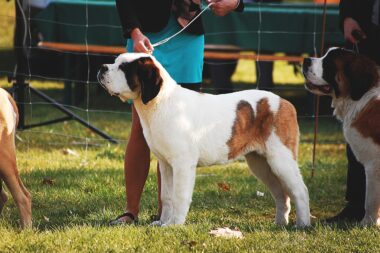
Dog shows are exhilarating events for canine enthusiasts. However, understanding the inspection process is vital for both handlers and dog owners. Inspections evaluate various attributes of dogs. These include physical traits, temperament, and overall health. It’s crucial for participants to prepare well for this stage. Inspections typically occur during the early hours of the show, often before the actual competition. Each breed has specific standards set by a recognized kennel club. Thus, judges use these standards to assess if the dogs meet the required criteria. Handlers should familiarize themselves with their dog’s breed standards in advance, ensuring they know what to expect. The inspection often begins with the judge examining the dog on a table or ground. Handlers must keep their dogs calm and poised to showcase their best features effectively. The dog’s coat should be clean, and any grooming may need to be performed on-site. Understanding these factors leads to successful participation in dog shows. It’s essential for owners to bring any necessary supplies for grooming, as this could impact the inspection ratings significantly. Therefore, preparation plays a significant role.
Inspections focus on several key aspects of breed conformation. Judges analyze the structure, coat quality, and overall appearance during evaluations. Each breed possesses unique characteristics that determine how they are judged. For example, some breeds may necessitate specific grooming methods or styles. Handlers should understand these nuances to present their dogs favorably. Understanding the breed standard is crucial, as it outlines acceptable traits and faults. The more knowledgeable handlers are, the better they can showcase their dogs. During inspections, judges may also evaluate the dog’s movement and temperament. Dogs are typically asked to walk or trot to assess their gait. Calm behavior is essential during these evaluations, as undue excitement may adversely affect the outcome. It helps to socialize your dog well before the event. A well-adjusted dog tends to behave better during inspection. In addition to physical attributes, temperament plays a pivotal role in assessments. Judges look for dogs that exhibit confidence without aggression or fear. A well-rounded presentation enhances the overall impression. Therefore, handlers should aim for an organized approach during this inspection phase.
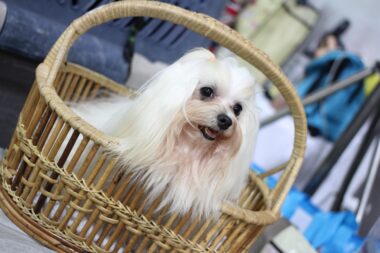
During an inspection, additional components might influence the evaluation process. Judges often check for health-related issues during the inspection. A dog’s coat condition serves as a significant indicator of health. Ensuring a shiny, well-groomed coat can enhance the dog’s appearance and factor into the assessment. Handlers should pay particular attention to hygiene. Proper dental care, nail trimming, and ear cleaning should be performed ahead of the event. Also, handlers should be prepared for potential questions from judges. Some judges may inquire about the dog’s medical history, diet, or training regimen. Transparency regarding any health issues can positively influence the judge’s impression. Regular vet check-ups before the show are advisable to assure good health. Documentation might be required to substantiate claims regarding vaccinations or health certifications. Owners should keep this documentation accessible for inspection day. Note that some events have specific health requirements that participants must meet, ensuring all dogs are healthy and fit for showcasing. Restrictions on contagious conditions or parasites may apply. Preparedness in these areas can reduce anxiety for both the handler and their dog.
Preparation Tips for an Effective Inspection
The dog show experience can be overwhelming. However, thorough preparation can significantly ease anxiety. Create a checklist of essentials to bring along to the show. This includes grooming tools, food, water, and documentation. Proper grooming is paramount to a favorable dog presentation. A pre-show grooming session at home is beneficial to address any major issues. Handlers should practice maintaining their dog’s stance during stands and trots to ensure confidence during the inspection. Practicing in different environments can acclimate the dog to the show atmosphere. Some dogs may find the crowd intimidating or distracting. Familiarity with the surroundings can lessen stress during evaluations. Arriving early is crucial for ample acclimatization time before inspections begin. Engage in light exercises or walks to settle your dog and keep them calm pre-inspection. During the inspection, handlers should maintain organized behavior to keep dogs focused. Rewards for good behavior can help reinforce positive action during the process. Build a connection with your dog through practice; this helps them understand what is expected during inspections.
Handling the dog during the inspection requires specific skills. Maintaining a confident posture while presenting the dog can impress judges. Handlers should learn to lead their dogs while exhibiting poise and control. Avoid jerky movements or sudden reactions that may startle the judges or the dog. An assertive, calm demeanor from handlers often translates to a favorable impression. Judges appreciate handlers who communicate effectively with their dogs. Subtle commands and gentle guidance can enhance the presentation. A consistent routine during the inspection can help reassure the dog and improve their performance. Handlers should also be aware of the dog’s body language. Understanding signs of stress can help prevent any abridged interactions with judges. Recognizing signs when a dog needs a break or when to redirect attention is vital. Additionally, if the dog becomes anxious, handlers must remain calm. Encouragement and patience can aid in dissipating anxiety. These connections during evaluation are essential for displaying how much the handler understands their dog. Emphasizing this bond during preparations makes a world of difference in presentation.
Conclusion: Enhancing the Experience
Participating in dog shows provides valuable experience. Understanding inspection protocols enhances both owner and dog readiness. From grooming essentials to conducting positive interactions, preparation ultimately contributes to success. Every handler desires a positive reflection of their hard work; inspections play a pivotal role in that. In addition, pursuing further education on breed standards can facilitate improvement. Attending workshops and seminars can bolster knowledge and confidence. Connecting with experienced handlers can also yield invaluable insights. Networking within the community offers various support options, creating a welcoming atmosphere. Knowing that other participants share similar experiences can ease the pressure. Taking every opportunity to learn and engage will instill confidence. The show atmosphere, while competitive, should be enjoyable for all involved. Handlers mustn’t shy away from seeking guidance when needed. It demonstrates a commitment to improving over time. Ultimately, passion for dogs and their well-being results in enjoyable competitions. Each inspection presents a unique opportunity to learn and grow as a handler. Bearing these aspects in mind can lead to a fulfilling dog show experience.
In summary, dog show inspections require adequate preparation and understanding. Handlers should focus on their dog’s breed standards, health, and good grooming practices. By familiarizing themselves with the judging criteria and expectations, owners will significantly enhance the quality of their presentation. Practices should include not just focusing on the dog’s appearance, but also promoting its temperament and behavior in a stressful environment. Insightful training methods can yield better results and a happier experience for both the handler and their dog. Inspections are more than just a formal examination; they are an opportunity to showcase the hard work and dedication that handlers demonstrate. Remaining calm, assertive, and engaged with your dog during evaluations can make a substantial difference in how the judges perceive your dog. Additionally, creating a supportive show environment fosters a sense of community among participants. Continually striving for improvement while having fun should be the ultimate goal of attending dog shows. Consequently, understanding the dynamics of inspections can empower handlers and lead to enjoyable experiences. With preparation and dedication, any dog show participant can make positive strides within the competitive dog show arena.