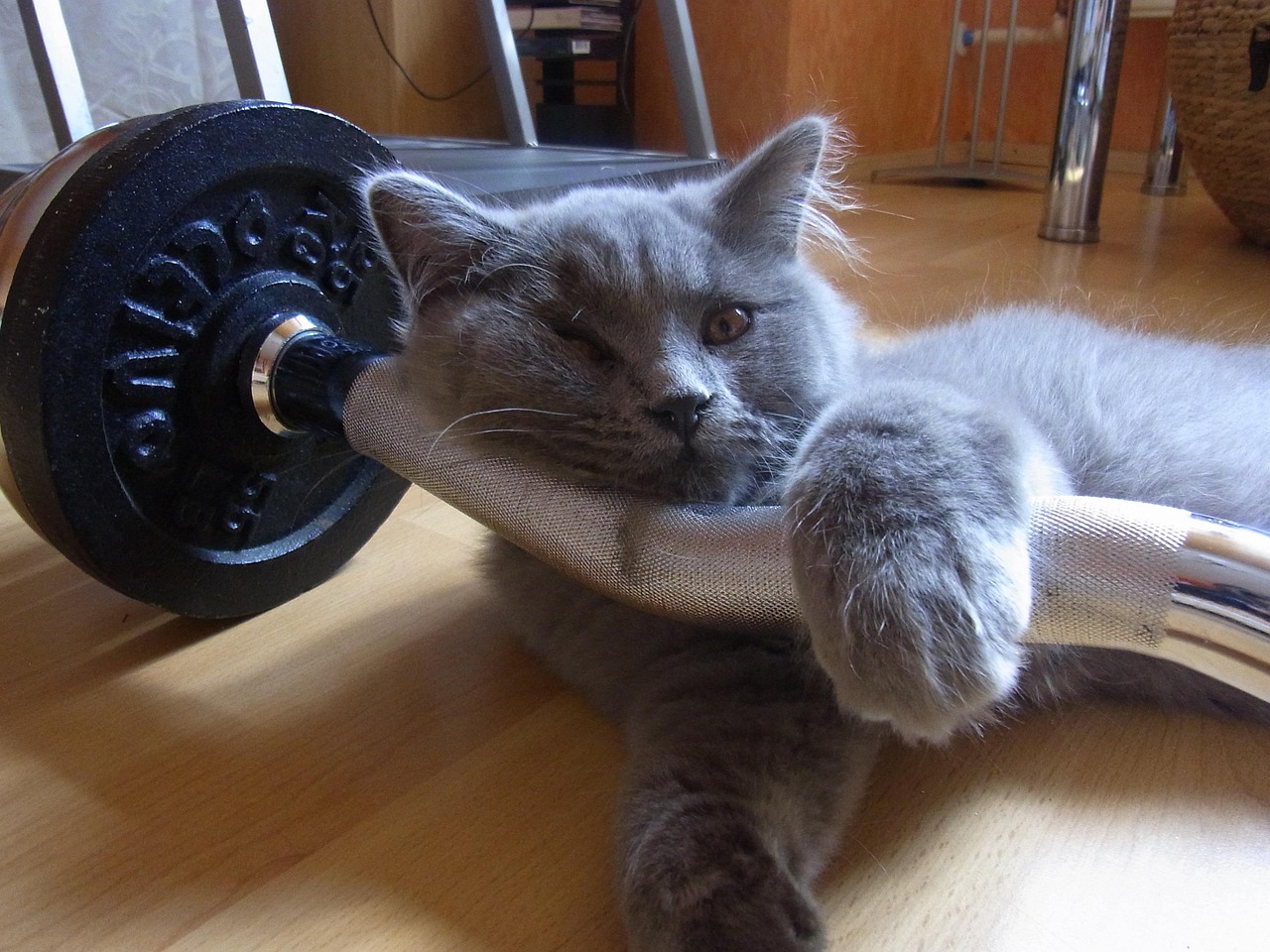

Using Treats Strategically to Calm Cats During Training
Training a cat can often seem daunting, particularly if your feline friend exhibits signs of anxiety. Nonetheless, a well-structured approach can leverage treats to create a positive connection with training sessions. When using treats strategically, it’s vital to choose options that your cat loves. This can serve as a powerful incentive, making them more likely to engage willingly during training. Establish a routine where treats are administered as a reward following desired behavior, allowing your cat to associate training with something enjoyable. It’s essential to choose high-quality, healthy treats, preferably ones that are grain-free, avoiding fillers that may not contribute to your cat’s well-being. By maintaining an encouraging atmosphere, one can minimize anxiety and stress, ensuring that your training sessions cultivate not just skills, but also a bond of trust and affection. Patience and consistency are your allies when navigating this unique process. Regular rewards can turn a potentially tense situation into an enjoyable experience, enhancing your overall training efforts. Cats thrive on repeated reinforcement; thus, integrating treat strategies will ultimately facilitate a more harmonious and less anxious environment during the training regimen.
Understanding Feline Anxiety: Signs and Triggers is crucial in the training process. Identifying signs of anxiety in cats ensures that you approach training with greater sensitivity. Common signs include hiding, frequent meowing, or aggression when stressed. Environmental factors like loud noises, sudden movements, or unfamiliar visitors can heighten anxiety. Strategies to minimize these triggers should be part of your training planning. Create a low-stress training environment by starting in a quiet room. As a result, your cat may feel more at ease, allowing for better focus and performance during training. Opting for short, engaging sessions is recommended, ensuring your cat remains interested without overwhelming them. Taking breaks and allowing for spontaneous play or relaxation time will help mitigate stress and enhance the learning experience. Alternate between treats, play, and calm moments to help reinforce positive behavior. Implementing these strategies effectively reduces anxiety for both you and your cat during training. Consult with a veterinarian if anxiety persists, as they can provide insightful recommendations for behavior management. Training becomes a delightful engagement instead of a source of stress when implemented correctly.
Effective Treat Strategies for Training
When training your cat, utilizing treat strategies effectively can significantly ease anxiety. Cats respond well to positive reinforcement, so understanding how to time your rewards is important. Use clicker training as a method to mark desired behaviors and subsequently offer treats. The clicker sound effectively draws their attention, ensuring they understand which behavior was rewarded. Make sure to use small, easy-to-eat treats to keep the training flow uninterrupted. Also, consider breaking larger treats into smaller pieces to prevent your cat from feeling overwhelmed. Monitoring portion sizes is essential in maintaining a balanced diet. By employing treats strategically, you’re not only providing motivation but fostering a delightful connection between you and your pet. Timing is key; reward your cat immediately after the desired action to create a strong association. Over time, you can gradually reduce treat frequency, transitioning to verbal praise as your cat becomes more comfortable with tasks. This method helps mitigate stress as they adapt to the training process. Results can improve significantly using treats wisely by reinforcing positive behaviors consistently and enjoyably through training.
Creating a positive environment is vital for successful cat training. Consider the overall atmosphere during training sessions; a calm, relaxed space can decrease anxiety and boost focus. Avoid clutter or distractions, which can divert their attention away from you. Position yourself at your cat’s level to foster a warm connection, demonstrating that you are a partner in this learning experience. Encourage your feline friend by speaking softly and using reassuring tones. The choice of time can also impact how anxious your cat feels; pick moments when they are likely to be active and alert. It’s also useful to provide a safe space within your training area where your cat can retreat if they feel overwhelmed. When a cat feels secure in their surroundings, they are much more open to engaging and learning during training sessions. Foster curiosity by being playful, using enticing treats, and even incorporating toys into your training regime. By crafting a supportive atmosphere, you encourage the growth of trust and positive reinforcement, which is vital for a successful learning journey. In turn, this can drastically reduce anxiety during the training process.
Benefits of Using Treats in Training
The advantages of employing treats in your cat training sessions extend beyond simple rewards. Firstly, treats function as a form of communication, allowing your feline to associate behaviors with positive outcomes. This creates an eagerness to participate, making previously stressful situations enjoyable. Secondly, utilizing treats as motivation enhances memory retention during training. This means that your cat will more likely remember commands and behaviors reinforced by treats over time. Another significant benefit is the bonding experience fosters a deeper relationship between you and your cat. Shared moments of joy during training can be pivotal in building trust, alleviating anxiety, and encouraging exploration. Cats often feel more satisfied when they successfully perform actions that earn the reward; this results in a more confident feline. As a caregiver, it’s essential to monitor your cat’s dietary needs and preferences while incorporating treats strategically. This ensures that your binding experiences remain positive. Treat training thus presents an excellent opportunity for meaningful interaction. As you cultivate skills and connections, understanding the psychology of treat use can seriously improve your success rate and reduce unnecessary anxiety.
Maintaining Consistency During Training Sessions is key to minimizing anxiety in your cat. Cats thrive on routines; thus, establishing a consistent training schedule helps them feel secure in their learning environment. Choose specific times each day to train your cat, reinforcing the idea that this is a regular activity woven into daily life. Use the same cues, tones, and gestures during each session to avoid confusion, creating familiarity. If you maintain the same approach, your cat is less likely to experience anxiety. It’s also crucial to communicate clearly, ensuring that every command or expectation is understood. Remember that patience is paramount; if your cat struggles to grasp a command, resist the urge to become frustrated, as this can raise their anxiety levels. Instead, take a moment to redirect, encourage, or reward small progress. Celebrating these tiny milestones reinforces your cat’s efforts positively, creating a favorable training experience. Consistency nurtures understanding and acceptance, leading to a notably less anxious cat. This foundation builds a lasting trust that elevates your training dynamic and strengthens your connection. Instilling these principles will enable smoother and more effective training sessions.
Conclusion on Training with Treats
In conclusion, using treats strategically during training offers tremendous benefits in reducing anxiety and enhancing the learning experience for your cat. By identifying your cat’s triggers and maintaining a supportive environment, you set the stage for a successful and enjoyable training process. It’s worth remembering the significance of positive reinforcement and timing; rewarding promptly fosters an essential bond between pet and owner. Consider integrating different types of rewards, including toys and affectionate touch, to add enrichment and variety into your sessions. Creating a consistent routine brings stability to your cat’s training, nurturing their confidence while minimizing anxiety levels. Importantly, prioritize their comfort and adjust your methods according to their reactions. If you notice signs of anxiety, take a step back, allowing your cat to acclimate without pressure. Building trust is a gradual process that pays off immensely in the long run. As with any intensive training regimen, patience is essential to success and improved feline well-being. Therefore, approach your training sessions with joy and understanding, ensuring both you and your cat reap the rewards of this rewarding journey.
Training cats is an experience that can ultimately lead to a rewarding bond between you and your cherished pet. Employing strategic treat use not only motivates your cat but also offers critical emotional support during potentially overwhelming moments. Fostering a positive environment while minimizing anxiety is crucial, and each cat has unique needs requiring tailored approaches. With gentle persistence and understanding, you will witness progress and even behavioral changes, ultimately fostering a harmonious home environment. So, embrace this journey with enthusiasm, as each training session is a step towards a more confident and happy cat, equipped with the skills necessary for a fulfilling life by your side.