
Indoor Cats and Hydration: What You Need to Know
Keeping your indoor cat adequately hydrated is crucial for their overall health. Unlike dogs, cats are often less inclined to drink water, which can lead to dehydration and urinary tract issues. As a cat parent, it is essential to understand how to encourage your feline friend to consume more water. Start by providing fresh water daily, as cats are more attracted to clean and cool water. Additionally, consider the placement of the water bowl; a quiet and accessible location can make a difference. Another tip is to opt for wider bowls, allowing for natural whisker movement without discomfort. You might also explore different materials such as glass or ceramic for water bowls, as some cats prefer these over plastic. Lastly, always ensure the water bowl is refilled as needed; water should be changed at least once daily to keep it enticing. All these factors contribute to encouraging your cat to drink more water and maintain optimal hydration levels. Remember that maintaining proper hydration can prevent serious health issues for your beloved pet.
For many cats, the type of food you provide plays a significant role in their hydration levels. Wet food can be an excellent source of moisture in your cat’s diet. Many commercial wet food options contain around 70% water, making them a great way to supplement your cat’s fluid intake. Transitioning to wet food can make a noticeable difference in your cat’s hydration status. You can also try mixing a small amount of water into dry food to increase moisture intake. Offering homemade meals made with liquids can further enhance hydration. Do remember to introduce any dietary changes gradually to avoid stomach upsets. Observe your cat’s preference; some may enjoy the texture of wet food, while others might not. Regular visits to the vet are crucial for monitoring your cat’s urinary tract health. Maintain ongoing communication about hydration with your veterinarian, as they can offer tailored advice specific to your cat’s dietary preferences and needs. It’s always best to cover all bases when it comes to ensuring hydration for your feline companion.
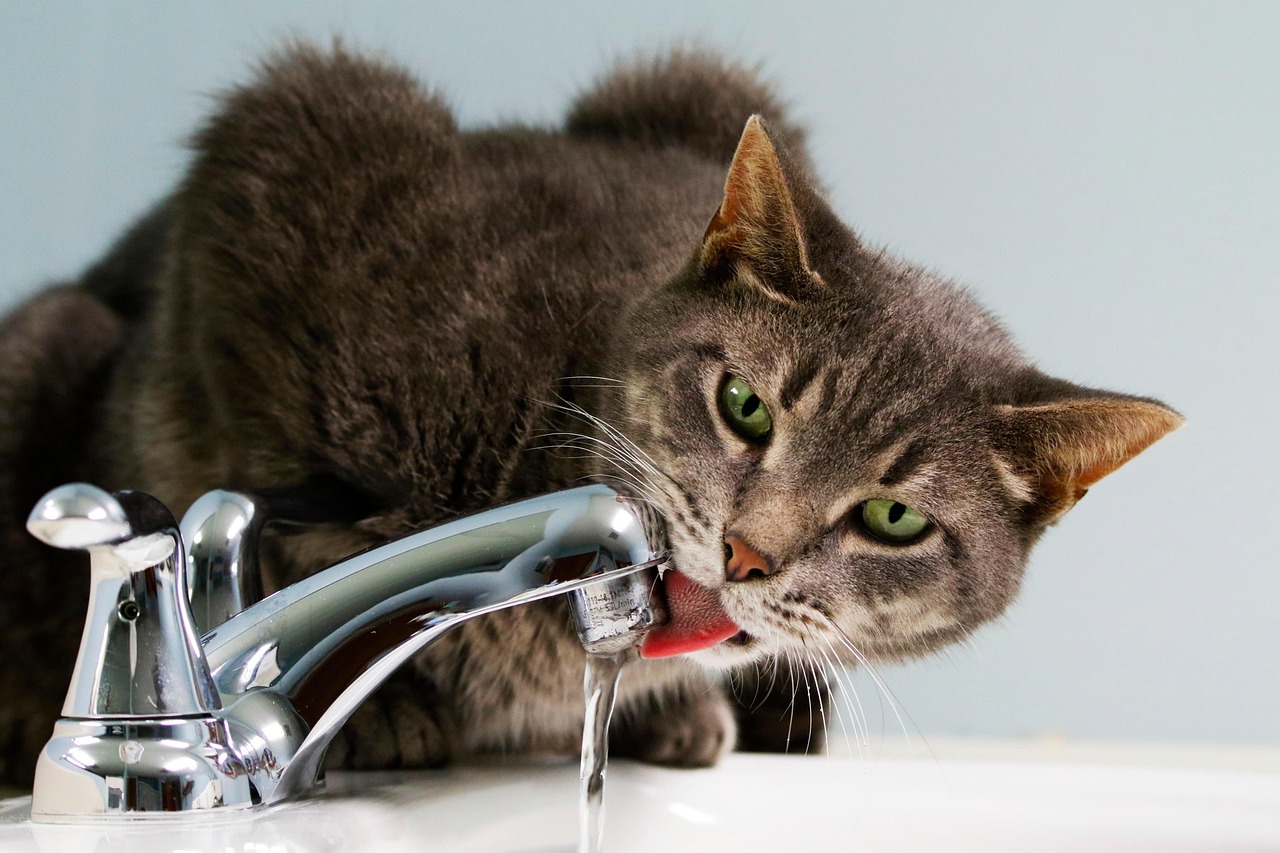
Another effective way to keep your indoor cat hydrated is by using a water fountain. Cats are naturally drawn to moving water, and a fountain can replicate a more natural environment for them. Many cats prefer drinking from moving water sources rather than standing water. Water fountains can encourage them to drink more frequently throughout the day. When selecting a fountain, ensure it has a filter to maintain water quality and freshness. Cats are often sensitive to the taste and smell of their water; therefore, clean and filtered water is a great option. It is essential to clean the fountain regularly to ensure it remains an appealing source of hydration. Many sources of information on cat behavior suggest that interactive water sources can enhance your cat’s engagement. Pay attention to your cat while you introduce the water fountain; watch for their interactions. This observation allows you to understand better what encourages them to drink more water. Always have a backup water bowl available for those times when your cat prefers the classic method of drinking water.
Creating a routine around hydration can also promote healthy drinking habits in your indoor cat. Just like introducing feeding schedules, establishing a specific drinking time is beneficial. Cats thrive on routine, and setting fixed times can help cue them to drink more regularly. You can incorporate drinking sessions into their playtime or after feeding. Some cat parents find success by using interactive toys that dispense water during play. Such methods combine fun with hydration, keeping your cat engaged. Observe your cat’s drinking habits around these scheduled times, and adjust accordingly. If your cat drinks very little, consider experimenting with different bowls, foods, or even fountains to find what works best for your specific situation. Additionally, consider monitoring wet food portions versus dry food to figure out the best ratio to maintain hydration. Regularly assessing how much your cat drinks will allow you to identify changes in drinking patterns that may be concerning. Creatively play with the routine until you find what brings your cat joy and encourages them to maintain good hydration.
Understanding Signs of Dehydration
Recognizing the signs of dehydration in cats is key to ensuring their health is properly maintained. Common signs include lethargy, sunken eyes, and dry gums. If you notice that your cat doesn’t seem to have their usual energy, it might indicate inadequate hydration. Checking the skin elasticity is a good method to gauge hydration; gently pinch the skin on the back of their neck, and if it doesn’t snap back quickly, it may be a sign of dehydration. Additionally, pay close attention to litter box habits. A decrease in urination can be concerning; healthy cats often urinate several times a day. Ensure you monitor the color of their urine as well; darker urine indicates dehydration. If you observe any of these signs, it’s crucial to consult your veterinarian promptly. They can perform tests to determine the hydration levels and baseline health of your cat. Stay vigilant, as early detection leads to better outcomes for your cat’s well-being, helping prevent further issues related to hydration.
In some cases, especially in older cats or those with health conditions, a veterinarian may recommend introducing subcutaneous fluids as a hydration method. These fluids can help alleviate dehydration and maintain optimal kidney function. Although this might sound intimidating, many cat parents find that these treatments can be administered at home. A veterinarian can instruct you on the process, and with some practice, both you and your cat can feel more comfortable. If your cat requires these treatments, establish a calm routine for administering fluids. Some cats respond well when these treatments become part of their daily schedule. It is also important to track any changes in appetite, weight, and energy levels during this treatment phase. Keep open communication with your vet about any concerns. Staying proactive can make a difference in managing your indoor cat’s health. Understanding your cat’s needs will allow you to provide the necessary support, ensuring they thrive in your care.
In conclusion, keeping your indoor cat hydrated involves a combination of strategies tailored to their preferences and needs. Offer fresh, filtered water daily, while also considering incorporating wet food into their diet. Utilizing a water fountain can significantly enhance their drinking habits. Creating a hydration routine will foster healthy habits and encourage fluid intake. Monitor your cat for signs of dehydration regularly, including both physical signs and changes in behaviors. For specific hydration needs, consult with a veterinarian to guide your approach effectively. When necessary, be open to more advanced hydration methods, especially for senior or ill cats. By being proactive and attentive to your feline’s hydration needs, you are setting them up for better health and well-being. Remember, your cat relies on you to provide the best care possible, ensuring they remain happy and hydrated. Your dedication to your feline friend’s hydration needs will contribute positively to their health and happiness. As a responsible cat parent, continuous learning and adjustments in care will enable you to create a thriving environment for your feline companion.
Keeping your indoor cat adequately hydrated is crucial for their overall health. Unlike dogs, cats are often less inclined to drink water, which can lead to dehydration and urinary tract issues. As a cat parent, it is essential to understand how to encourage your feline friend to consume more water. Start by providing fresh water daily, as cats are more attracted to clean and cool water. Additionally, consider the placement of the water bowl; a quiet and accessible location can make a difference. Another tip is to opt for wider bowls, allowing for natural whisker movement without discomfort. You might also explore different materials such as glass or ceramic for water bowls, as some cats prefer these over plastic. Lastly, always ensure the water bowl is refilled as needed; water should be changed at least once daily to keep it enticing. All these factors contribute to encouraging your cat to drink more water and maintain optimal hydration levels. Remember that maintaining proper hydration can prevent serious health issues for your beloved pet.