
Understanding the Basics of Dog Photography
Capturing the essence of your dog during a dog show can be both challenging and rewarding. To photograph your dog like a professional, you first need to understand basic photography techniques. Begin by getting comfortable with your camera settings. Most cameras have modes for action shots; utilize them to catch those perfect moments. Learning about lighting is equally important. Natural light is often the best, so try to photograph during the day, avoiding harsh shadows. Understanding your dog’s breed characteristics will also help you highlight their unique features. Familiarize yourself with their behavior, posture, and expressions for better shots. Consider investing in a good quality lens that can handle various lighting conditions and fast action. Using a zoom lens allows you to stay at a distance while getting in close on your dog. When possible, practice photographing your pet outside of shows to improve your skills. Familiarize yourself with different angles and perspectives that enhance your dog’s charm. This will not only boost your confidence, but create stunning photographs for great memories. Don’t hesitate to practice continuously, as that is key to improvement.
Planning Your Dog Show Photography Session
To photograph your dog effectively at shows, planning ahead is essential. Start by researching the event’s schedule and rules. Understanding which classes your dog participates in will help you anticipate the best moments to photograph. Arrive early to scout the venue, checking for optimal locations with good lighting. Choose a spot that provides a clear view of the ring, while also ensuring you’re not obstructing other photographers or spectators. It can be beneficial to talk to other handlers and photographers to gain tips about the show and the layout of the rings. Consider bringing along additional equipment, such as tripods or external flash, to enhance your shots depending on the venue’s lighting. Furthermore, maintain a list of must-have shots, like individual portraits, action shots during the ring, and candid moments with your dog and their handler. This list will keep you organized and focused during the chaos of the show. Don’t forget to pack spare batteries, memory cards, and any other essential gear. A well-prepared photographer can capture stunning, lasting memories during dog shows, ensuring no precious moment is missed.
When it comes to dog show photography, the right equipment makes a significant difference. Invest in a camera that allows manual control for better flexibility in settings. A DSLR or mirrorless camera with a fast autofocus system is optimal for capturing quick movements. Pair it with a versatile lens; a 70-200mm zoom lens is ideal for action shots from a distance while also allowing you to capture portraits. Ensure that you have a sturdy camera strap for stability while photographing. Also, consider lenses that perform exceptionally well in low-light conditions if the venue is indoors or lacks adequate lighting. A circular polarizer can enhance colors and reduce glare in photographs during sunny events. Alongside your primary camera, a secondary camera body can be invaluable in case of equipment issues. Don’t forget to bring along an extra battery, as dog shows can be lengthy, and frequent shooting can drain your camera’s power. A portable reflector can also help bounce light to create a well-lit shot, especially when shooting with natural light. Proper gear selection can elevate your photography significantly, bringing professional quality to your dog show experiences.
Timing your shots correctly can make all the difference in achieving desired results during dog shows. Many photographers advocate for using continuous shooting mode to capture a series of images, making it easier to find that perfect shot. Look out for moments of action, as dogs move especially fast during competitions. Pay attention to the judges’ interactions with the dogs; you might capture great expressions during those key moments. Utilize burst mode while the dogs are moving in the ring, as this will help catch those dynamic poses that illustrate your dog’s personality. During the infamous “down and back” moments, adjust your position to secure the best angle for the approaching dogs. Timing plays a critical role in determining when to press the shutter button—anticipate the dog’s next movements by observing them closely. Don’t shy away from candid shots when dogs are waiting behind the scenes or interacting with their handlers. These images can often tell a unique story that resonates with dog lovers. Ultimately, learning to master timing will enhance your overall photography portfolio, making your images truly stand out in the crowd.
Capturing Unique Moments and Expressions
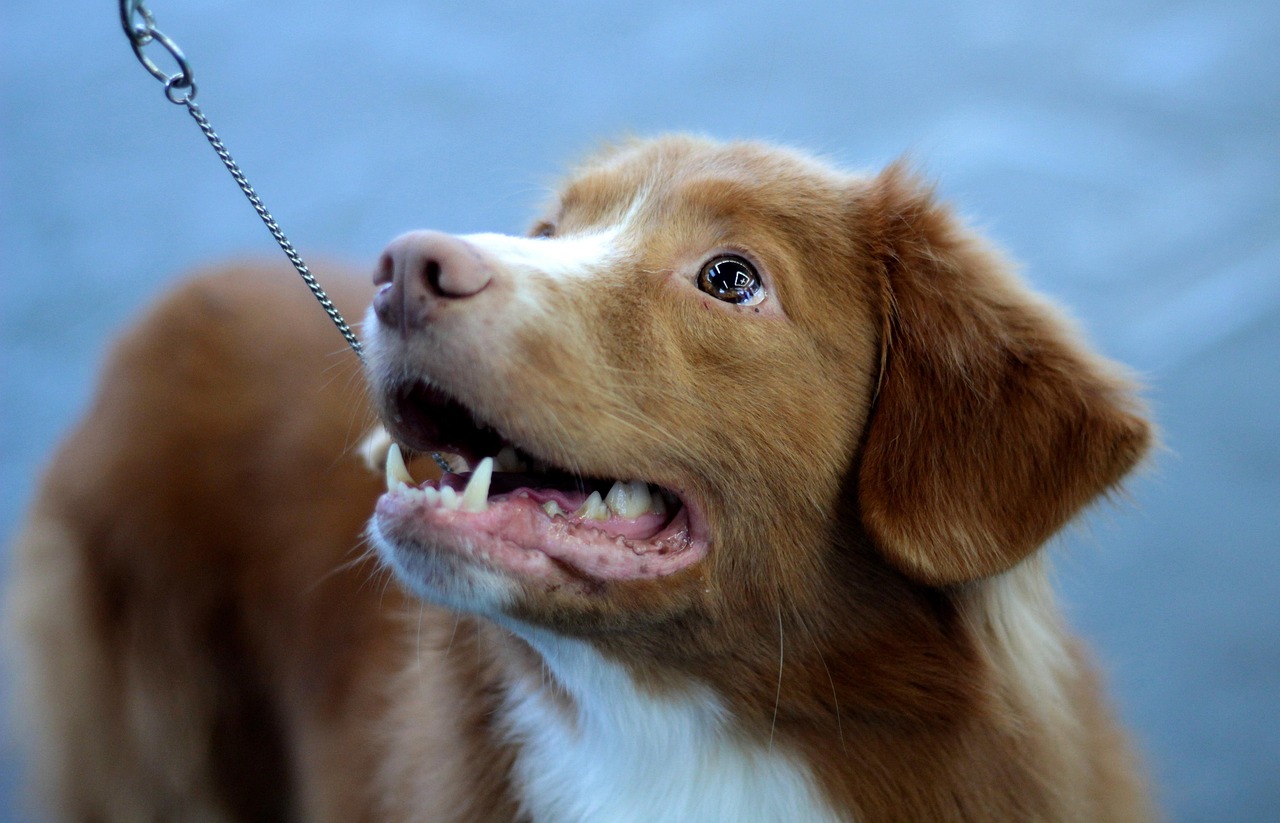
Every dog show presents unique storytelling opportunities for photographers. Special moments arise from your dog’s expressions and interactions, so always have your camera ready to capture them. Look for moments when the dog is first introduced to the judge or celebrates a victory. These candid moments can create emotive photographs that evoke connection with viewers. Observe your dog’s subtle gestures, like a proud stance or an eager expression while waiting for their turn. Photographic storytelling can engage your audience emotionally, drawing them into the atmosphere of the event. Use close-ups to highlight your dog’s eyes or expressions that convey their personality. Both candids and posed shots create a comprehensive story of your experience at the dog show. Try incorporating other dogs and handlers into your shots to reflect the contest’s competitive spirit. Group shots of handlers with their dogs can reveal community bonds formed at these events. Remember to approach this creatively; angle and framing adjustments can turn ordinary snapshots into extraordinary portraits. Every dog show offers a chance to capture the unique essence of dogs and their handlers, creating precious memories to cherish for years.
Editing your dog show photographs is a crucial step in ensuring the final results are polished and professional-looking. After your event, review all your images, sorting through to select the best few to edit. Use photo editing software, such as Adobe Lightroom or Photoshop, to enhance the quality of your images. Begin by correcting exposure, contrast, and white balance to improve your photos’ overall appearance. Consider cropping images to highlight your dog better and remove distractions from the background. Pay attention to the sharpness; using sharpening tools can enhance details in your dog’s fur and expression. Experimenting with filters and presets can create fun, vibrant, or dramatic effects tailored to your personal style. Nonetheless, while editing is essential, maintaining natural looks is vital. Avoid excessive editing that may alter your dog’s identity in the photograph, keeping the focus on authenticity. Ensure you save high-resolution versions for prints, and considering Instagram-worthy sizes can make sharing with friends easier. Perfecting your editing skills will ultimately set your photography apart, showcasing your talent when capturing special moments at dog shows.
Sharing your dog show photography online provides an excellent platform for showcasing your work and connecting with the dog community. Create an online portfolio to display your best photographs; platforms like Instagram and blogs allow you to reach a broader audience. Use hashtags relevant to dog shows, your dog’s breed, and photography to enhance visibility and engagement with your posts. Building a strong online presence can connect you with fellow enthusiasts, photographers, and judges, opening up new opportunities. Consider joining online groups or forums where you can share your photographs and gain feedback from peers. Participating in photography contests also helps elevate your skills and recognition within the community. Networking can lead to exciting collaborations with pet brands or organizations. Additionally, don’t forget to encourage your clients and dog owners to share their favorite images with their networks, increasing your reach. Allow the nature of your photographs to tell stories of the events and the bonds shared between dogs and their handlers. Ultimately, showcasing photography helps grow your passion while offering great insights into your experiences at dog shows.