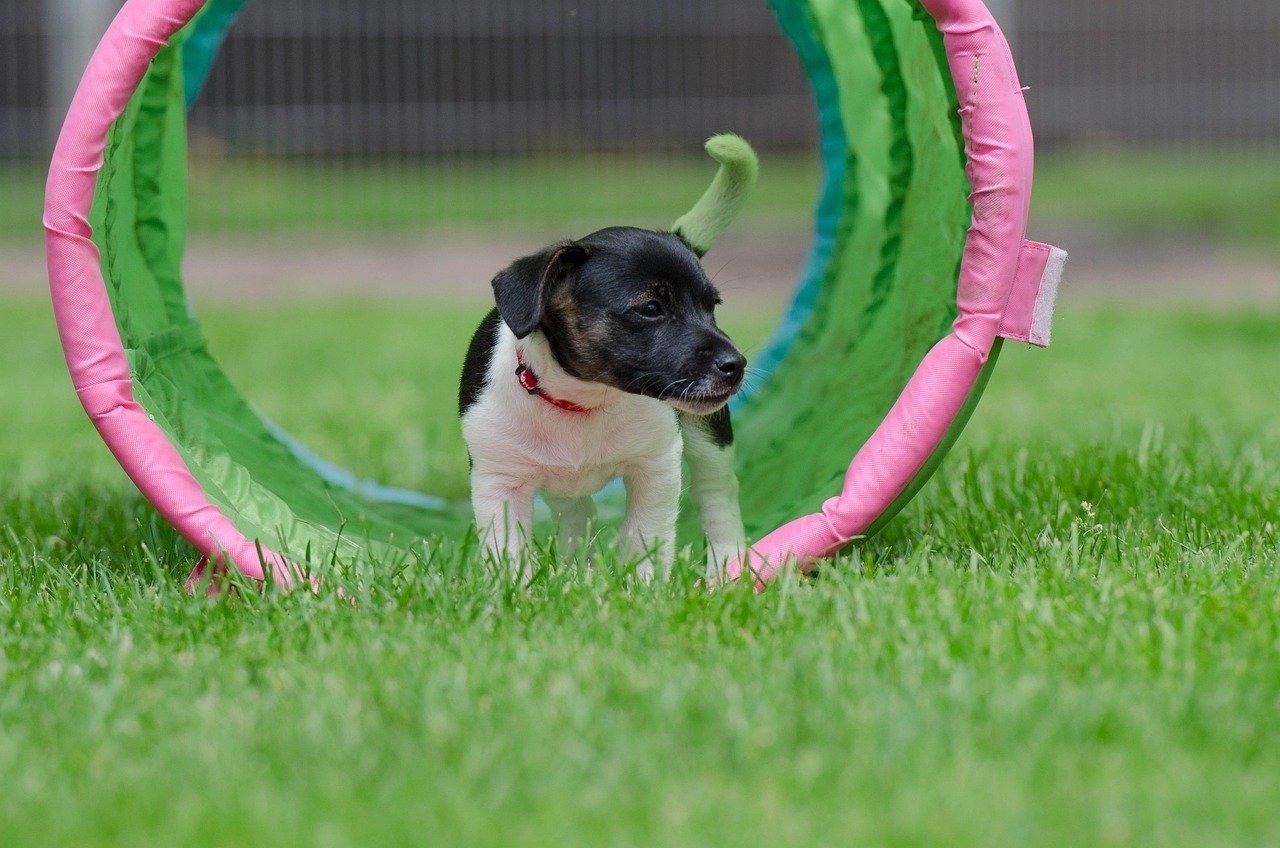

The Importance of Early Socialization in Puppies
Early socialization of puppies is crucial for their development and long-term behavior. During the first three months of life, puppies are in a critical period where they are most receptive to new experiences. This phase is when they learn to navigate their environment and relate to humans and other animals. Proper socialization helps them grow into well-adjusted adult dogs who can cope with various situations without fear or aggression. Owners must expose their puppies to a wide range of stimuli, including different people, sounds, and sights. Positive experiences during this formative time are essential in shaping their future behavior. Engaging in structured socialization classes or puppy kindergarten can provide a safe environment for this exposure. These classes often include supervised playtime with other puppies, which can help teach appropriate behaviors and bite inhibition. Beyond just playing, puppies learn valuable lessons about communication and body language. Peer interactions are vital for learning how to read cues from fellow dogs. Thus, socialization not only benefits the puppy’s well-being but also helps owners enjoy a happier, healthier relationship with their pets.
Moreover, the impacts of lack of socialization can be profound and negative. Puppies that haven’t been exposed to different stimuli may grow up to be fearful or aggressive towards unfamiliar situations or individuals. This fear can manifest as barking, growling, or even biting, leading to more significant issues down the line. For instance, an un-socialized dog may react poorly during a walk when encountering other dogs or loud noises. Puppy socialization is also essential for adjusting to environments such as parks, homes, and busy streets. Regular exposure helps them become more confident and less anxious in these settings. Furthermore, owners benefit from well-socialized puppies, as these dogs are typically easier to train. When a puppy is not fearful, it is more likely to respond to commands and enjoy learning new tricks. This eagerness to please often results in a stronger bond between the owner and the pet. Training a well-adjusted puppy can create a lifetime of joy and companionship. The importance of socialization extends far beyond puppyhood, influencing a dog’s entire lifespan.
Key Benefits of Puppy Socialization
One primary benefit of puppy socialization is improved adaptability in different situations. Socialized puppies are more likely to enjoy encounters with various people, pets, and environments. This adaptability fosters a well-rounded dog that integrates seamlessly into family and social settings. Furthermore, socialization helps prevent behavior problems from arising in adulthood. Puppy classes often focus on exposing young dogs to various elements, creating positive associations with different experiences. Successfully undertaking these encounters builds a puppy’s confidence, establishing them as secure family members as they grow. A well-socialized dog tends to exhibit more patience and resilience, making them impeccable companions and family additions. Moreover, the learning environment in puppy kindergarten encourages positive social interaction. These interactions teach essential skills such as sharing, playing gently, and understanding dominance and submission in dog interactions. With supervision, trainers guide these early encounters, helping owners and puppies alike understand acceptable dog behavior. Such experiences during puppyhood reduce the likelihood of behavioral issues later. In conclusion, investing time into the socialization process pays off in dividends for both the dog and the owner.
In addition to standard puppy classes, owners can engage in various socialization activities. Walks in different neighborhoods, visits to pet-friendly stores, or playdates with vaccinated dogs can all enhance social experiences. Each excursion teaches puppies how to acclimate to diverse situations while building their confidence. Owners should prioritize positive reinforcement during these activities, rewarding or comforting the puppy for calm behavior. Exposure to various sounds, such as traffic, machinery, or children playing, also enhances a puppy’s resilience against sudden stimuli; this is essential for lifelong comfort in varied environments. Playing in dog parks can be an excellent method to practice socialization. Special attention should be given to the interactions, monitoring for fear or aggression signs. If negative behavior arises, it is crucial to intervene calmly and redirect the puppy’s attention. This ensures they don’t learn to associate playtime or other dogs with fear. Furthermore, socialization should be an ongoing process. Continuous attention to social opportunities throughout adulthood can help reinforce good behavior and adaptability. Regularly revisiting social environments strengthens their confidence and clearly demonstrates the importance of maintaining positive experiences for the dog.
Recognizing Signs of Fear and Anxiety
It’s essential for puppy owners to recognize signs of fear and anxiety during the socialization process. Common indicators include excessive barking, hiding, or displaying a tucked tail. A puppy that shows any of these signs may need additional reassurance from their owner or may require slower introductions to new environments. While socialization is vital, each puppy moves at their own pace. Allowing them to acclimate gradually can establish their comfort levels and reduce anxiety in challenging situations. If fear arises, it’s crucial not to punish the puppy; instead, this reaction should be redirected positively. Owners can reward brave behavior or use treats to entice the puppy into new experiences, thus reinforcing the desired response. This strategy helps build positive associations with perceived threats. Additionally, owners may consider consulting a professional trainer if their puppy struggles significantly with socialization. An experienced trainer can provide guidance tailored to a puppy’s unique temperament. By understanding and accommodating a puppy’s emotional needs, owners can help their pets become confident and sociable dogs. This thoughtful approach ultimately contributes to healthier relationships between pets and their families overall.
In conclusion, effective early socialization lays a strong foundation for a happy and healthy adult dog. The experiences gained during this critical period significantly shape their behavior and attitude throughout their lives. By actively engaging in socialization efforts, owners can cultivate a secure, adaptable, and playful companion. Puppies that undergo proper socialization are often more pleasant to be around and make better family pets. Encouraging diverse interactions, positive reinforcement, and continued exposure are vital strategies in this developmental phase. As lifelong partners, puppies deserve the time and resources for effective training and socialization. Therefore, taking steps to prioritize these practices is essential, impacting their well-being and the overall happiness of dog ownership. Remember, the puppies you nurture will grow into the dogs that accompany you for life, making their development a lasting financial and emotional investment. In the end, a well-socialized puppy leads to many joyful moments for families and a reduced likelihood of behavioral problems. This article highlights the critical importance of early socialization as an indispensable aspect of puppy ownership.
Finally, puppy socialization should never be viewed as a one-time event but rather an ongoing process throughout a dog’s life. Owners can continue introducing new environments, new companions, or new challenges to their pets even after the puppy stage. Doing so maintains a dog’s adaptability and openness towards various stimuli throughout adulthood. Social activities should remain a regular part of an adventurous and fulfilling life for dogs. Engaging in dog sports, participating in playgroups, or just visiting new parks can all contribute to a well-rounded and sociable adult dog. Furthermore, supporting a dog’s social nature enhances both its well-being and the overall happiness of its family. Over time, the social capabilities of a dog lead to richer experiences for both the owner and pet, fostering unbreakable bonds grounded in mutual respect and love. As we reflect on the importance of socialization, it becomes evident that the effort expended will yield rewarding results in the form of well-being, enjoyment, and companionship for all involved. Ultimately, the investment made during early socialization pays off for years to come, thus nurturing numerous happy moments together.
Conclusion
In summary, early socialization is not just an option; it is a necessity for puppies who deserve the best opportunities for a joyful and enriching life. It fosters healthy, happy dogs who can navigate through the complexities of life confidently. Through structured puppy classes and intentional outings, owners play a crucial role in building their pet’s social foundation. Investing time into the socialization process can vastly contribute to an overall positive ownership experience. Leaving socialization to chance can lead to behavioral problems that may result in heartache and misunderstandings down the line. By providing appropriate interactions and encouraging positive experiences throughout development, pet owners ensure a bright future for their canine companions. As our dogs grow and develop, should remain vigilant in their social journey, opening doors to new experiences continually. Appreciate the power of socialization as a tool to create a harmonious relationship with your dog. This commitment to responsible pet ownership ultimately enriches lives and solidifies the bond between humans and their furry friends, providing a lifetime of love and joy.