
The Importance of Patience and Commitment in Special Needs Dog Adoption
Adopting special needs dogs is a significant and rewarding journey that requires a deep commitment and a lot of patience from potential pet owners. These dogs may have physical or emotional challenges that necessitate additional care, training, and understanding. Many individuals are unaware of the specific demands placed on prospective adopters. It is crucial to recognize that these dogs often require more time to adjust to a new environment. Emotional healing can be an essential part of their journey. Adopters must educate themselves about the unique needs of the dog they choose. Familiarizing oneself with the common requirements — such as veterinary care, training techniques, and support groups — is necessary for a smooth transition for both the dog and the owner. Furthermore, sharing this journey with knowledgeable organizations can aid in optimizing the adoption experience. A committed home can significantly impact their lives, contributing to their overall well-being. Through patience and commitment, adopters can develop an extraordinary bond with these special dogs, enhancing their quality of life tremendously.
Adopting a special needs dog can be immensely fulfilling, yet it comes with its own set of challenges that require true dedication. The first step in this process is fully understanding the needs of the dog you plan to adopt. Many special needs dogs have experienced trauma, leading to fear, anxiety, or behavioral issues. Conducting thorough research about the specific breed and their typical needs can significantly help in preparing the environment for them. Awareness of the ongoing costs associated with their health care and training is vital as well. Interested adopters should be financially prepared for potential vet visits, medications, and any necessary treatments that may arise. Beyond financial aspects, emotional investment is equally as important. It is beneficial to remember that these dogs may take time to show trust and affection. Expected delays in progress can happen during acclimatization, so it is crucial to approach the adoption with a flexible mindset. By allowing a special needs dog the time they need, adopters can foster a trusting relationship that nurtures them. Each step taken fosters compassion and understanding.
Navigating the Adoption Process
Navigating the adoption process for special needs dogs requires patience and a clear action plan. Prospective adopters can enhance their understanding and awareness by connecting with rescue organizations dedicated to these canines. Many of these organizations offer educational resources about specific needs and how to best meet those needs. Forming a bond with these organizations can also provide support and guidance, helping to ensure that prospective owners do not feel overwhelmed during the transition. Regular consultations with adoption counselors can be beneficial. These professionals can assess the compatibility of potential pets with your lifestyle and home environment. Whether you are considering adopting a dog with mobility issues, vision impairment, or behavioral challenges, expert advice can be invaluable. Creating a welcoming space equipped for specific needs can assist the transition. Providing accessibility tools or particular behavior training can positively affect each dog’s adjustment phase. A thoughtful adoption process allows for seamless integration into the family structure, ensuring a supportive environment. Successful adoptions can lead to fulfilling companionship.
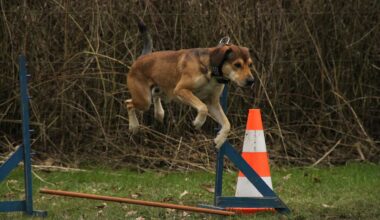
Training is another essential component that needs attention during the journey of adopting a special needs dog. Many of these dogs may require particular training methods tailored to their unique challenges. Traditional training techniques may not always fit; therefore, exploring alternative training options can prove beneficial. It may involve positive reinforcement, which can establish a trust-based relationship and motivate the dog to learn. Enrolling in specialized training courses tailored for special needs dogs can offer additional support. Professional trainers usually possess the expertise necessary to implement effective training plans that focus on enhancing the dog’s skills. The essence of training goes beyond just learning commands; it helps the dog acquire confidence and socialization skills, which is essential for their well-being. Potential adopters must also remain consistent in training efforts and provide ongoing reinforcement to ensure success. Engaging in regular training sessions promotes physical and mental stimulation, making the home environment more enjoyable for both the dog and the owner. The influence of proper training can transform a timid dog into a confident companion, thereby enriching their adopted family life.
Coping with Behavioral Challenges
Dealing with behavioral challenges is another aspect that must be tackled when adopting a special needs dog. These challenges often stem from a dog’s past experiences. Some may show signs of anxiety or fear-based reactions towards common stimuli, which can be overwhelming for both the pet and the owner. Understanding these behaviors is crucial in creating a peaceful living environment. Patience is a key virtue, as owners will likely need to work through these challenges progressively. Utilizing calming techniques, creating safe spaces, and establishing consistent routines can significantly enhance a special needs dog’s emotional stability. Additionally, seeking professional guidance from a pet behaviorist can provide insights and strategies tailored to addressing these specific challenges effectively. Maintaining a calm demeanor during challenging situations fosters a secure atmosphere. Adopting a special needs dog involves recognizing triggers and managing potential stressors that may arise. By learning more about their behaviors and demonstrating unconditional support, owners can be essential in their day-to-day healing. This thoughtful approach not only benefits the dogs but also strengthens the bond between human and canine companions.
Another important consideration while adopting special needs dogs is ensuring that your home environment is safe and accommodating. Creating a dog-proof space involves evaluating the house for potential hazards and offering necessary provisions to enhance comfort. Accessibility can be particularly crucial for dogs with mobility issues; thus, minimizing stairs and optimizing access to essentials should be prioritized. Appropriate bedding, food and water stations, and easily accessible toys are pivotal to making them feel secure and at home. Moreover, providing mental stimulation through puzzles and interactive toys can keep their minds engaged and active. Ensuring regular exercise according to their abilities is also essential to their physical and mental health. One way to encourage safe physical activity is taking them for walks or playing gentle games that suit their conditions. Additionally, regularly consulting with veterinarians ensures that adopting families can address health needs proactively. By equipping the home for special needs dogs, owners create supportive environments that promote well-being. This approach emphasizes a commitment that goes beyond the initial adoption.
The Rewarding Experience of Adoption
Ultimately, the journey of adopting a special needs dog can be one of the most rewarding experiences one can have. While challenges are to be expected, the growth and progress witnessed are incredibly fulfilling. Each milestone reached together fosters a bond that cannot be compared. The love and gratitude displayed by these dogs will often exceed expectations. Owners frequently find themselves gaining invaluable life lessons, as care for a special needs dog requires empathy and understanding. Witnessing their growth and improvement brings immense joy and satisfaction. Many adopters report an increased sense of purpose, as they contribute positively to the life of a special needs dog. It can transform shelters into loving, forever homes filled with joy and comfort. Encouragement from fellow adopters and support groups further enhances the experience, offering community connections. Sharing stories with others helps prospective adopters realize the impact they make by providing a loving forever home for these deserving dogs. Each special needs dog that finds their family reflects a success story full of potential, love, and unforgettable memories.
In conclusion, adopting a special needs dog requires a lifelong commitment defined by patience, understanding, and adaptability. Raising awareness and educating oneself about the intricacies involved will ensure that both the dog and the owner can thrive together. Recognizing potential challenges ahead can prepare adopters for what lies ahead while also comprehending the importance of support systems. These can include training classes, veterinary consultations, and fostering relationships within communities of special needs dog owners. Together, these elements create an ecosystem of love and respect that drives positive outcomes for families. By embracing the art of patience and commitment, the journey will become a shared adventure that enriches and uplifts both dog and owner. It delivers profound emotional fulfillment for the entire family while bettering the lives of resilient dogs. As you consider making the choice to adopt, think about how your life might change and the immeasurable happiness you could provide. In many instances, the bond formed during this unique adoption journey surpasses the challenges, birthing a lifelong friendship filled with love and mutual respect. Remember, the rewards are truly endless.