
The Impact of Early Socialization on Long-Term Behavior
Early socialization is crucial in shaping a dog’s long-term behavior patterns and temperament. Dogs that miss this critical window may suffer from anxiety, fearfulness, and various behavioral issues as they mature. Socialization involves exposing puppies to various people, environments, and other animals, allowing them to adapt positively to a range of experiences. The initial months of a puppy’s life are immensely formative. Without sufficient exposure during these early stages, dogs may develop aversions to new situations or sounds, leading to lifelong difficulties in adapting to change. Furthermore, socially well-adjusted dogs are generally more obedient, easier to train, and engage better with their families, enhancing the human-animal bond. For instance, puppies that interact positively with other dogs tend to play more happily and assertively as adults. Attending puppy classes can greatly assist in this process, ensuring the puppy learns appropriate behaviors from other dogs. Therefore, by prioritizing early socialization, dog owners can lay a foundation for balanced, confident adults. In summary, the importance of early socialization in promoting positive long-term behavior in dogs cannot be overstated.
Socialization skills not only help dogs in forming healthy behaviors but also play a significant role in preventing aggression. A lack of socialization can lead to fears and phobias, often resulting in defensive or aggressive reactions. Dogs that are not exposed to humans and other animals may view them as threats, leading to defensive posturing and sometimes, aggressive encounters. It is essential to introduce your dog gradually to various stimuli, including unusual environments and different species of animals. Controlled introductions can help alleviate fears and equip dogs with the necessary skills to interact appropriately. A well-socialized dog will typically exhibit good manners, enabling it to navigate public spaces with ease and confidence. Owners play a significant role in this process by facilitating positive interactions and rewarding desirable behaviors. The emotional stability derived from early socialization can prevent the onset of destructive behaviors rooted in anxiety or fear. Moreover, a well-socialized dog is more likely to enjoy outings and activities with its family. Therefore, investing time in your dog’s early experiences can yield long-term rewards, not just for the dog, but for the entire household.
Creating a rich socialization environment is beneficial not only for the dog but also for the owner. Early encounters can lead to improved behaviors in various settings, such as parks, vet clinics, and crowded areas. Puppies must experience different surfaces, sounds, and sights to feel more comfortable in everyday situations. This exposure aids in reducing the likelihood of future behavior problems. Owners should aim to vary the contexts in which they socialize their dogs. For example, taking the dog on car rides, introducing them to children, or even arranging doggy playdates can enhance their social experience. Owners must ensure that these interactions remain positive and rewarding to build trust. Regular socialization can also strengthen the bond between dog and owner, resulting in better responses to commands and a deeper understanding of cues. As a bonus, well-socialized dogs tend to be more resilient in stressful situations. They can face changes in their environment or routines without apprehension. Thus, the short-term investment of time and effort in socialization sessions can significantly impact a dog’s happiness and behavioral stability over its lifetime.
Long-Term Effects of Early Socialization on Behavior
The benefits of early socialization are supported by numerous studies pointing to successful outcomes in well-adjusted adult dogs. Puppies that experience diverse interactions during their critical socialization period are more likely to cope with stress and new experiences throughout their lives. They display less fear and anxiety, resulting in a calm demeanor when facing novel situations. In contrast, dogs that lack these experiences develop avoidance behaviors or reactionary aggression as adults. Over time, they may become isolated due to their difficulties in coping with everyday social scenarios. Furthermore, ensuring that these puppies grow up with positive experiences allows them to learn to interpret canine communication more effectively. Properly socialized dogs are less likely to misinterpret friendly intentions from other animals or humans as threats. This understanding leads to more harmonious interactions with both dogs and people, creating an overall safer environment. Ultimately, early investment in socialization can provide a pathway to better behavioral health. Owners should see socialization as an ongoing process that doesn’t end with their puppy’s first few months, as continual exposure will benefit their dog for years.
Socialization doesn’t solely focus on positive experiences; it must also include the ability to handle challenges gracefully. Introducing your dog to less-than-favorable situations can help in managing anxiety and fear. For example, teaching them to be calm in crowded or chaotic environments is critical. By allowing puppies to experience controlled adversity, owners can prevent overwhelming fear responses in the future. The goal is to build confidence, enabling dogs to learn that not all new experiences are to be feared. Moreover, resilience developed through these experiences encourages dogs to encounter various situations positively. This can include encounters with loud noises, busy traffic, or unfamiliar objects, leading to an adaptable canine. Owners must be patient and persistent, offering praise and rewards for calm behavior. Resilience can protect dogs from feeling threatened and may reduce public safety risks from aggressive incidents. A balanced approach ensures that puppies learn how to cope and bounce back from unexpected encounters. In conclusion, early socialization not just enriches a dog’s quality of life but significantly shapes how they interact with their world, creating resilient canines.
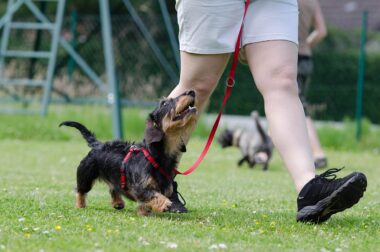
Puppy socialization classes offer excellent environments for owners to gain guidance while providing social experiences for their dogs. Professionals leading these classes can help identify specific behaviors that may need addressing while educating owners on best practices. Puppies typically learn how to interact appropriately with each other as well as with humans. This correct interaction lays the groundwork for future social encounters. Additionally, such classes can empower owners by equipping them with the necessary skills to socialize their dogs effectively, which will benefit the dog throughout its lifetime. This environment encourages pups to play interactively and showcase their personalities while learning to be around different temperaments. Eventually, this creates a more robust social framework in which the dog learns to express themselves without fear. Not only do classes facilitate learning for the dogs involved, but they also foster a sense of community among owners. Networking with other dog owners can lead to valuable resources, support, and friendships that enrich the journey of canine companionship. Thus, attending these classes provides tangible benefits that extend beyond socializing; it supports overall well-being as well.
Conclusion
In conclusion, the early socialization phase is vital for a dog’s development and long-term behavior. By actively engaging in socialization efforts during the initial stages of a puppy’s life, owners can significantly influence their future behavior and emotional well-being positively. This investment in time and energy lays the groundwork for a confident, well-adjusted adult dog. The long-term effects include reduced anxiety, improved communication skills, and a greater likelihood of forming positive relationships with other people and pets. Additionally, dogs that receive sufficient socialization become adaptable and resilient, a crucial aspect in an ever-changing world. Owners should remain vigilant and proactive in exposing their pets to new experiences throughout their lives; socialization isn’t just a phase but an ongoing necessity. As they grow and encounter various challenges, continuously fostering their social skills will ensure they remain well-rounded. The impact of a well-socialized dog benefits not just the dog but enhances the bond shared with their owner, enriching both their lives. Therefore, recognizing the significance of early socialization will help create happier households filled with harmony, understanding, and joy.
In summary, aligning training approaches with early socialization helps to reinforce desired behaviors across various contexts. Regular exposure to experiences will lead to a successful social journey, enhancing trust and cooperation. Fostering positive interactions forms the crux of a dog’s development, creating intelligent and adaptable companions. All these success stories are made possible through owners’ dedication and efforts.