
Scheduling Grooming Training Sessions for Maximum Effectiveness
Proper scheduling of grooming training sessions can significantly enhance a dog’s performance and comfortability. Initially, consider the dog’s age, breed, and temperament as each factor affects how a dog responds to grooming sessions. Each breed has varying grooming needs, resulting in differing training priorities. Additionally, assess the individual dog’s past experiences, as a history of positive or negative associations with grooming can influence current behavior. Develop a training calendar that allows for regular sessions that are spaced appropriately to avoid overwhelming the dog. Aim for consistency in timing and duration to establish a comfortable routine. While planning, integrate intervals for both instruction and practice. This balance helps dogs assimilate new skills effectively without fatigue. Ensure that training incorporates varied techniques and tools to avoid monotony. Keep the training environment calm and distraction-free to facilitate focused learning. Allow dogs to acclimate gradually to the sounds and sensations associated with grooming. Monitoring training outcomes and adjusting schedules based on progress or setbacks creates a responsive training dynamic. Thus, an individualized approach to training scheduling helps achieve optimal effectiveness while minimizing stress for both the dog and the handler.
One effective method of scheduling grooming training sessions is to segment the sessions into manageable time frames. Short sessions are often more beneficial for a dog’s attention span and can provide more effective learning opportunities. Aim for sessions that last around 10 to 15 minutes, especially for younger dogs or those new to grooming. Within each session, focus intently on a single grooming aspect, be it brushing, nail clipping, or washing. This concentrated approach fosters mastery of each skill before moving on to the next. Following each short session, don’t forget to reward the dog, reinforcing positive behavior. This could include verbal praise, treats, or playtime. Obviously, be sure to observe the dog’s stress levels and responses throughout the training. If the dog becomes agitated or anxious, it may be necessary to shorten the training duration or increase the intervals between sessions. Adjustments might also include varying the trainer or environment to keep the experience fresh and less intimidating. Experimentation with different approaches often yields insights into the most effective methods for each individual dog. Ultimately, tailoring the training approach demonstrates sensitivity to the dog’s unique learning style and paves the way for successful grooming habits.
Creating a Positive Training Environment
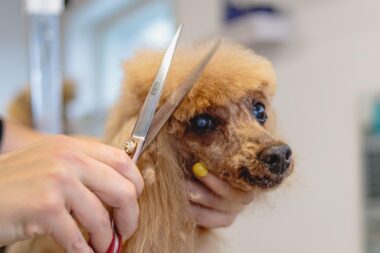
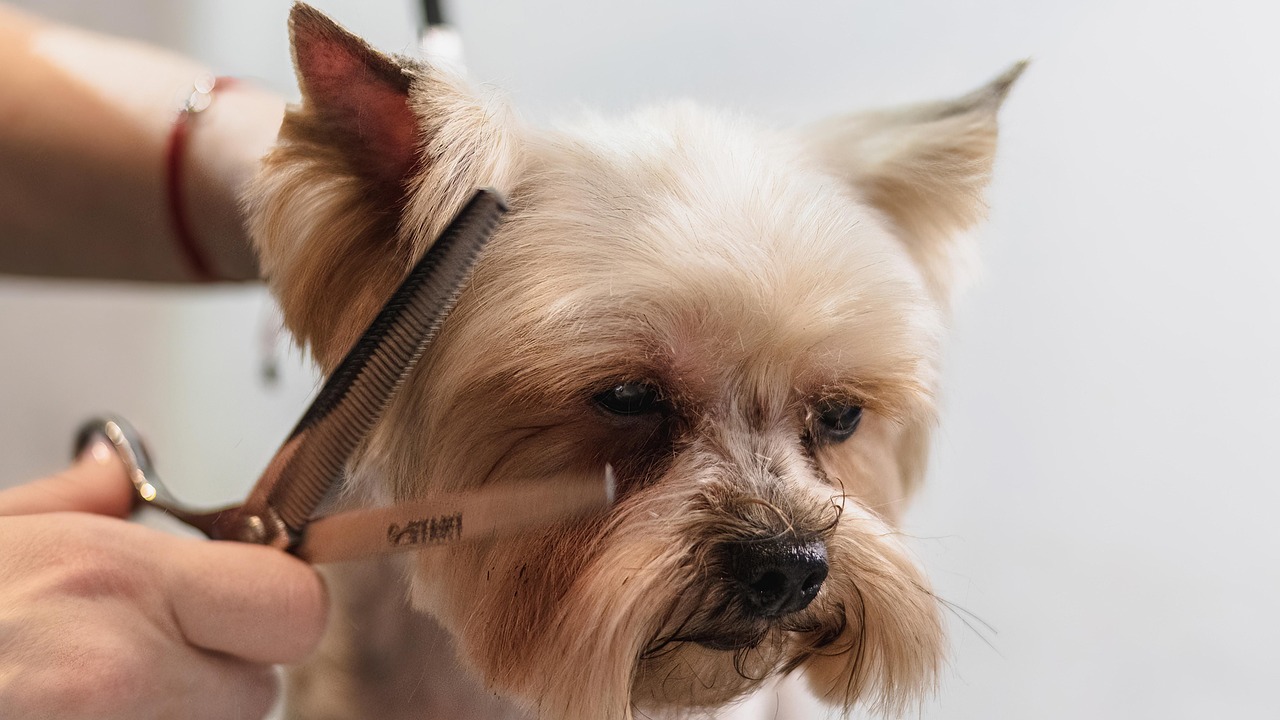
A positive training environment is essential for enhancing a dog’s learning experience during grooming sessions. The atmosphere should be calm, quiet, and free of distractions, allowing the dog to focus entirely on the task at hand. It’s advisable to choose a space familiar to the dog, such as a favorite room or a designated grooming area. Familiarity can significantly reduce anxiety, making the dog more receptive to training. Additionally, including positive stimuli, such as toys and treats, can motivate the dog and reinforce a positive attitude toward grooming. Ensure that the grooming tools used are introduced gradually and positively. For instance, allow dogs to sniff and inspect tools like brushes and clippers, helping them acclimate to their presence. Conducting training sessions at times when the dog is naturally calm can also enhance receptiveness. If a dog tends to be energetic or distracted, consider scheduling sessions after a walk or playtime to help them settle. Remember always to remain patient and encouraging, as negative reactions from trainers can create fear or aversion towards grooming. With a supportive, positive atmosphere, dogs are more likely to engage in learning and associate grooming with pleasant experiences, thus promoting long-term cooperation.
Incorporating consistency into the grooming training regimen significantly enhances the learning process. Regular sessions enable dogs to grasp the tasks more effectively over time. Establishing a routine helps set expectations, enabling dogs to mentally prepare for what’s to come. Choose a specific day or time for sessions each week to cultivate this consistency. Ensure that any training materials, such as tools or handouts, are readily accessible and organized. Consistent cueing language throughout training sessions ensures that dogs understand commands. Likewise, familiar commands used in the training environment can minimize confusion. If possible, include all family members in grooming training to foster full cooperation among caregivers. This engagement promotes a team effort in reinforcing grooming-related behaviors. Moreover, varying the handlers, where appropriate, can help the dog adapt to different people and styles. Keep the dog’s individual response to training in mind, adjusting the pace and content of sessions in accordance with signs of stress or boredom. Ultimately, a consistent approach to the grooming training routine lays the foundation for successful behavior, reducing friction while enhancing the dog’s confidence and skill in grooming situations over time.
Assessment and Feedback
Assessing a dog’s progress throughout grooming training sessions is vital for maximizing effectiveness. Regularly observing improvements enables trainers to adapt their strategies accordingly, ensuring continuous development. After each grooming session, it is key to note specific areas where the dog excels and those that require additional attention. This feedback not only allows the trainer to recognize the dog’s growth but also builds the dog’s confidence as they make progress. Keep a training log, outlining specific goals and accomplishments to identify patterns and areas needing refinement. Encourage owners to share insights, fostering a communication loop that contributes to overall training success. Additionally, employing video recordings can provide invaluable perspective, showcasing the dog in action during training sessions. This method allows for a more thorough review, identifying effective strategies while highlighting areas needing adjustment. Feedback does not only pertain to the dog; handlers too should seek ways to refine their techniques. Attending workshops or reading literature on dog grooming strategies can offer new insights. Sharing experiences with professionals and fellow trainers further enriches one’s knowledge base and improves training methods. A comprehensive assessment is pivotal in making informed decisions for future training, leading to better grooming outcomes.
Lastly, celebrating achievements and milestones achieved during grooming training is a key component toward maintaining motivation. Recognizing even the smallest wins significantly boosts a dog’s confidence, resulting in enhanced overall training success. This could include simple gestures like treats, enthusiastic praise, or a play session after a productive grooming period. Focus on positive reinforcement as a method to spark joy and eagerness during training sessions. Create fun games that incorporate grooming skills, allowing dogs to practice while engaging in enjoyable activities. For example, integrate a short game of fetch with brushing, increasing the level of excitement. Including variety in training methods not only alleviates monotony but also promotes comprehensive skill development. Celebrate personal milestones such as successfully completing a challenging grooming task or maintaining calm behaviors during stressful situations. Encourage owners to maintain a supportive approach around achievements rather than pushing for perfection. Setting realistic goals amid positive reinforcement dynamics leads to a happy, well-groomed dog while cultivating a bond between the handler and the pet. Celebrating achievements ensures that grooming remains a positive endeavor, ultimately transforming necessary grooming practices into enjoyable routines for both dogs and their owners.
Remember to constantly revisit and adjust grooming training strategies as needed. Each dog has a unique personality and learning style, necessitating that trainers remain flexible in their approach. When trainers observe signs of stress or avoidance, re-evaluating the training methods becomes essential. Experiment with different grooming tools and techniques, adjusting configurations to find a mutually beneficial fit for the dog. Additionally, recognizing external influences affecting a dog’s behavior is crucial. Changes in environment, routine, or even seasonal weather fluctuations can impact a dog’s willingness to engage in grooming activities. Regularly consult with professional dog groomers and trainers to gain insights into best practices. A collaborative effort in learning can lead to improved training efficacy. Seek advice on tools that suit specific dog types and maintenance schedules for at-home grooming. Attending seminars and certification programs can enrich one’s overall grooming knowledge. Engaging with the community, through forums or social media groups, can provide added support and tips from experienced groomers. Additionally, sharing one’s experiences with fellow trainers fosters a nurturing environment for everyone involved. In conclusion, effective scheduling and approach to grooming training ensure lasting positive relationships between dogs and grooming routines, ultimately benefiting both parties greatly.
Ultimately, the goal of grooming training is to create a seamless integration of grooming into the dog’s routine, benefiting overall behavioral health. By establishing strong scheduling practices, trainers can create sessions tailored to individual dogs’ needs, helping to build comfort and acceptance toward grooming activities. Positive reinforcement and celebrations of successes ensure that both handlers and dogs remain engaged throughout the training process. Remember to continually assess and adapt to the unique circumstances surrounding each dog, remaining open to adjusting training methods on an as-needed basis. Thus, grooming becomes a stress-free experience, and a well-groomed dog showcases the effectiveness of this nurturing relationship. Achieving this harmonious balance benefits the dogs and contributes to responsible ownership, leading to healthier and happier pets. Lastly, fostering an environment filled with positive associations surrounding grooming activities instills confidence in dogs, promoting cooperative behavior. This holistic approach to grooming training yields a well-rounded, confident, and beautifully groomed companion, enhancing the joy of both the pet and its owner. Adopting these strategies ultimately allows dogs to embrace grooming as a natural and rewarding part of their lives, leading to successful long-term outcomes in grooming habits for years to come.