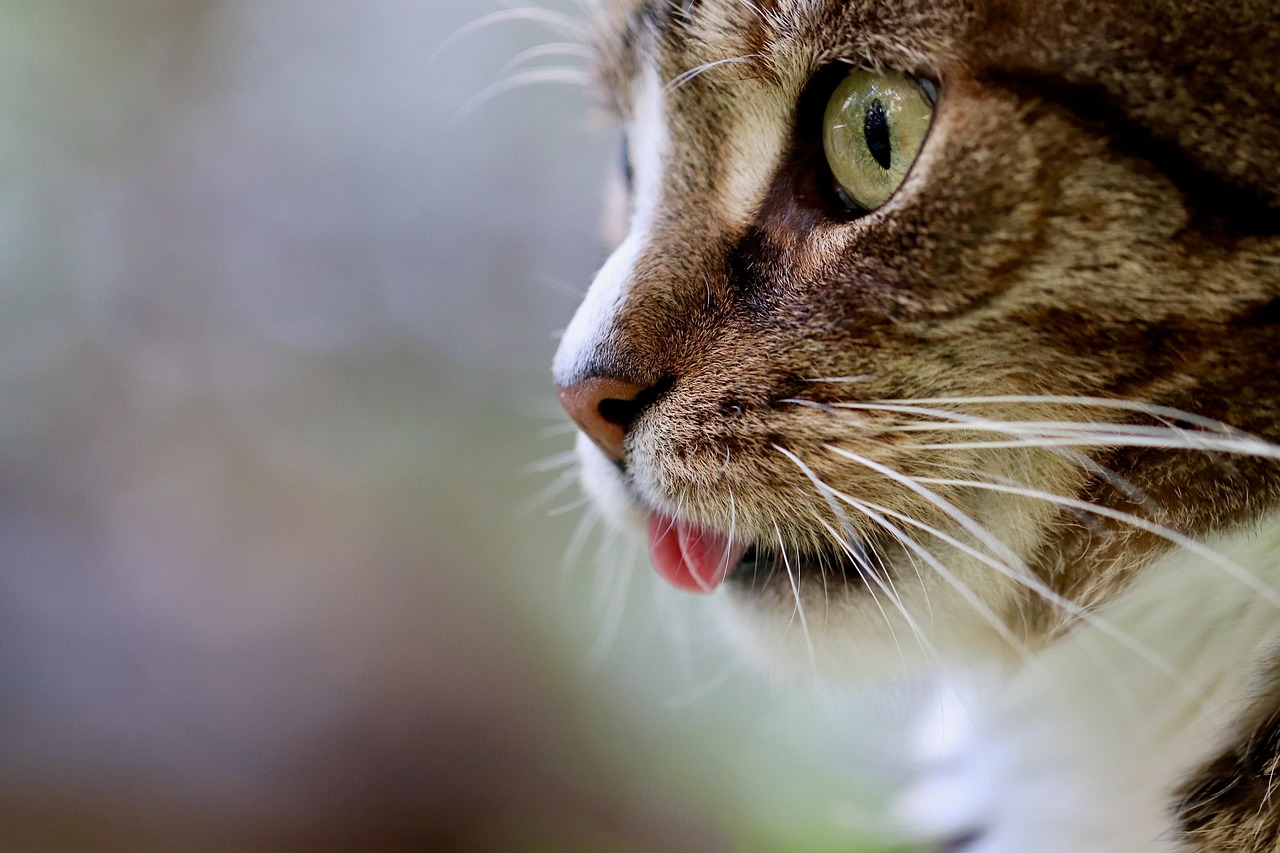

Balancing Natural Vitamin Intake in Older Cats
Older cats have unique nutritional needs, particularly regarding their vitamin intake. Ensuring that your feline friend receives adequate vitamins is crucial for maintaining their health and vitality. A balanced diet rich in natural sources of vitamins can greatly enhance their overall well-being. Ensuring that older cats consume the right vitamins is essential to support their immune system, maintain healthy skin and coat, and promote overall longevity. Cats, being obligate carnivores, derive much of their nutrition from animal sources. However, certain vitamins may be lacking in commercial cat foods, making it important for owners to incorporate natural sources into their diets. Fresh foods can help address these gaps. Incorporating fruits and vegetables that are safe for cats can also provide additional nutrients. It’s essential to introduce any new food slowly to prevent gastrointestinal upset. Additionally, consulting with a veterinarian can guide your choices in providing the best diet for your aging cat. Adopting a holistic approach to your cat’s diet can lead to a happier, healthier life long into their senior years.
One of the most significant vitamins older cats require is Vitamin A, essential for vision, skin, and immune function. Natural sources of Vitamin A include liver, fish, and egg yolks. These ingredients can easily be included in homemade cat food recipes. Another vital nutrient is Vitamin D, obtained through sun exposure, which helps regulate calcium and phosphorus, crucial for maintaining bone health. To ensure vitamin D is sufficient, consider including fatty fish as an ingredient in your cat’s diet. However, be cautious of vitamin D toxicity by avoiding over supplementation. Vitamin E is another important vitamin that plays a role in healthy skin and coat, assisting in preventing oxidative stress. Rich sources include sunflower oil and fish, which can be integrated into meals. Furthermore, incorporating nuts and seeds, while ensuring they are safe for cats, can yield beneficial Vitamin E. It’s essential to monitor how your cat reacts to any dietary changes and to ensure they remain hydrated. Always prioritize fresh ingredients to maintain essential nutrient profiles in their meals. Regular check-ups with the vet will help ensure your cat maintains optimal health.
Essential Vitamins and Their Sources
Vitamin C, though generally produced by cats, may not be adequately synthesized by older animals. It plays a pivotal role in maintaining the immune system and reducing inflammation, particularly in senior cats who are more prone to illness. Fresh green beans and blueberries can be excellent sources of Vitamin C, making them suitable for inclusion in your cat’s diet. Always consult your veterinarian before drastically changing your cat’s eating habits. B vitamins are another critical group for older cats. These vitamins, particularly B12 and B6, can help with energy metabolism, promoting a vigorous lifestyle. Chicken, turkey, and fish are excellent protein sources that are also rich in B vitamins. Additionally, fortified commercial cat foods may feature B vitamins, thus ensuring adequate intake. Introduce new ingredients gradually to avoid digestion issues. Offering a variety of protein sources can not only meet their vitamin needs but also stimulate their appetite. Maintaining balance within their diet is key to longevity and quality of life, especially as they grow older and may develop health conditions that require special dietary considerations.
Another essential mineral that frequently goes hand-in-hand with vitamins is magnesium. It is critical for muscle and nerve function, as well as bone health. While many commercial cat foods provide adequate magnesium, adding small amounts of whole grains can benefit senior cats. Brown rice or oats are safe options that can provide easily digestible carbohydrates alongside magnesium. Additionally, ensuring your senior cat has constant access to fresh water is vital for kidney health. Proper hydration can help excrete excess minerals and support preventing urinary tract diseases. Furthermore, older cats may suffer from lower appetite levels, making nutrient-dense meals essential. Mixing canned food with dry kibble can encourage food intake while ensuring they consume adequate moisture. Ensuring your cat’s diet is not overly processed is key since many processing methods can strip away essential vitamins and minerals. Working closely with your veterinarian can help develop a customized feeding plan tailored to your cat’s specific needs, ensuring they’re thriving throughout their golden years. By focusing on nutrient-dense, whole foods, you’ll help your feline friend lead a healthy and active life.
Considerations When Choosing Foods
Choosing the right food for older cats is paramount, particularly when trying to ensure an adequate intake of vitamins. Before purchasing cat food, read the labels carefully to ensure it contains natural sources of vitamins and minimal fillers. Many high-quality brands use whole proteins and avoid artificial additives, making them favorable options. Packaging that emphasizes the inclusion of real meat, vegetables, and grain sources indicates a healthier diet for your cat. Consulting with your veterinarian about specific brands can also provide you with tailored recommendations. Assess your cat’s individual health status—certain medical conditions may require dietary adjustments, such as low phosphorus for kidney disease. Incorporating home-cooked meals can provide additional control over nutrient quality. Ensure any homemade recipes adhere to guidelines to balance macro and micronutrients. Offering a variety of textures, such as both wet and dry food, can keep mealtime exciting and fulfilling. Attention to freshness is crucial; avoid expired or stale products. Once you establish a reliable source of vitamins and minerals, monitor your cat’s energy levels and overall health. Adapting the diet to meet these needs will lead to positive outcomes.
Lastly, maintaining a healthy weight is vital for older cats. Regular weight monitoring will help prevent obesity, which can exacerbate various health issues and hinder mobility. Excess body weight can lead to higher demands for vitamins and place stress on internal organs. Regular consultations with your veterinarian on appropriate weight and portion sizes provide critical oversight on maintaining a balanced diet. Feeding in smaller, more frequent portions can encourage consumption without overwhelming their stomachs. Enhancing their environment by providing stimulating toys and gentle play can improve overall health and happiness. Engaging older cats can also aid in sustaining muscle mass and improving metabolic rates. Furthermore, making dietary adjustments based on seasonal changes can also be beneficial; for example, during hotter months, increasing moisture content through wet food can help with hydration. Always remember that the individual needs of each cat can vary widely based on their age, activity level, and prevailing health conditions. Being attentive to these factors can ensure that your older cat receives a nutrients-rich diet. Ultimately, nurturing their vitamin intake naturally promotes a high quality of life.
Conclusion on Balancing Cat Vitamins
In conclusion, balancing natural vitamin intake in older cats requires an attentive approach to their nutritional needs. Understanding the significance of sourcing vitamins naturally from balanced diets is integral for maintaining health. Ensuring seniors receive sufficient vitamins supports their immunity, skin condition, and assists with digestion and energy levels. Practical steps include incorporating a diversity of safe fruits, vegetables, and sources of protein, while closely monitoring any dietary changes. Equally important is the collaboration with your veterinarian to achieve dietary plans that respect each cat’s unique requirements and health issues. Monitoring their weight, hydration levels, and overall activity throughout the aging process proves vital to preserving quality life. Always introduce dietary changes gradually to ensure their digestive systems adapt adequately to new ingredients. By offering focused attention, balanced meals, and an engaging environment, you encourage lifelong health in older cats. Remember that small changes can lead to significant positive impacts on your feline friend’s longevity and health. With love, care, and an eye for nutrition, you can ensure your older cat lives happily and healthily through their elder years.
Lastly, balancing your cat’s natural vitamin intake plays a crucial role in their health and happiness. Understanding their specific requirements and providing appropriate natural sources can greatly enhance their quality of life. Through careful dietary planning and regular veterinary check-ups, you can ensure that your older cat receives the nutrients necessary for longevity and vigor.