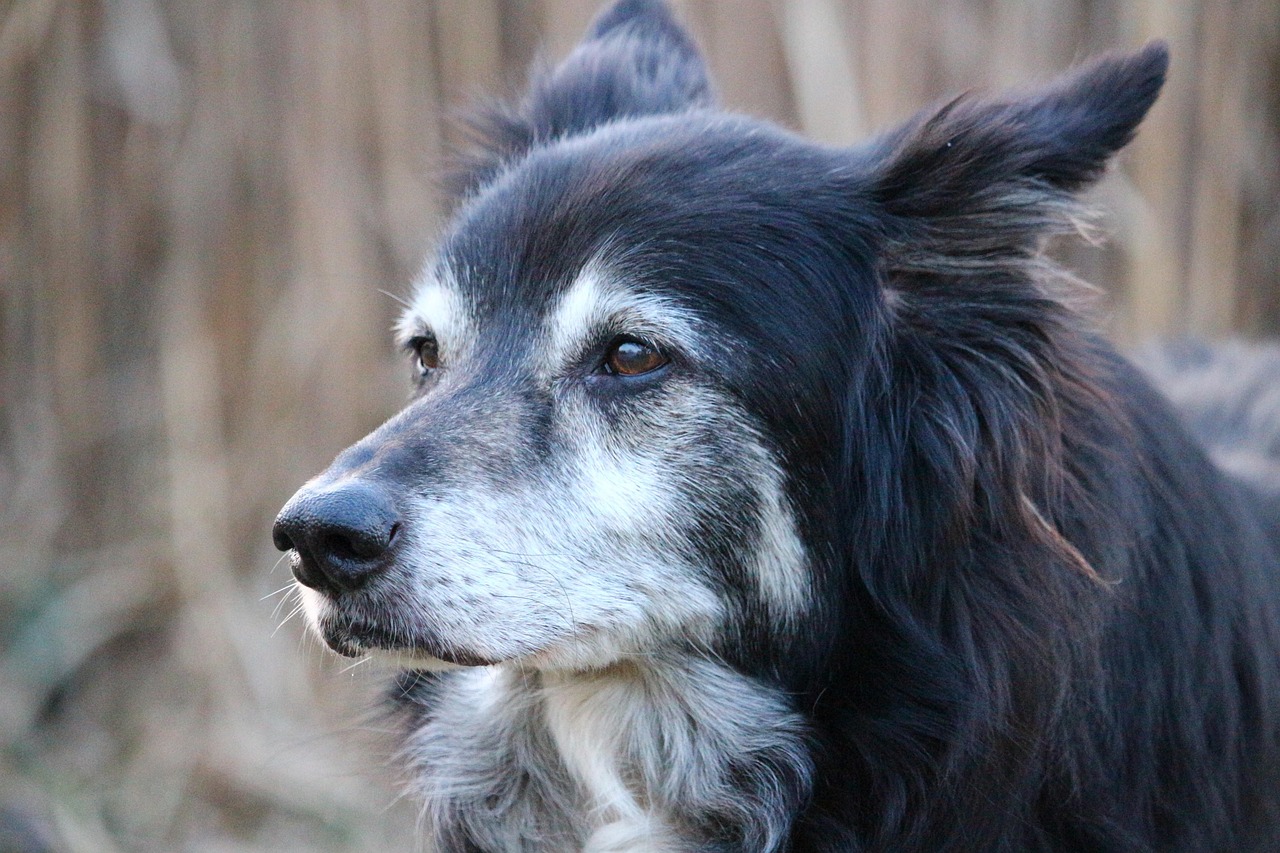

Obedience Training for Herding Dog Breeds
Training herding dog breeds requires a unique approach due to their natural instincts and intelligence. These dogs, including Border Collies and German Shepherds, thrive when they have a job to do. Establishing a solid foundation in obedience is essential for ensuring both the dog and its handler can work effectively together. Therefore, the training should begin early and remain consistent throughout the dog’s life. One effective method relies on positive reinforcement, where good behavior is rewarded with treats or praise. This creates a positive association and encourages repeat behavior. Regular practice sessions, lasting about 10 to 15 minutes, can help maintain the dog’s engagement. Incorporate commands like ‘sit’, ‘stay’, and ‘come’, alongside specialized commands tailored to herding tasks. Always end training on a positive note to prevent frustration and to keep the dog motivated. Additionally, socialization is crucial for preventing behavioral issues. Exposing herding breeds to various environments, sounds, and people from a young age will help them develop a well-rounded temperament. In summary, a structured approach that combines basic and advanced obedience training will enhance the bond between the handler and their herding dog. This ensures a harmonious relationship and an effective working partnership.
Another important aspect in training herding dog breeds is understanding their instinctual behaviors. These breeds were developed to manage livestock, which means they possess strong herding instincts. It’s crucial to channel these instincts positively during training. Engaging in herding activities, like agility courses and obedience trials, provides an excellent outlet for their natural abilities. By incorporating these enjoyable activities, you can foster greater cooperation and responsiveness from your dog. Moreover, employing various training techniques is essential for maintaining their focus. Consider using different environments to keep training fresh, such as parks or other dog-friendly spaces. This introduces new stimuli and ensures that your dog remains attentive. Additionally, group classes can enhance social interaction, exposing your dog to other dogs and people while reinforcing obedience skills. Another benefit of group training is shared experiences with other handlers, allowing for the exchange of valuable insights. It’s advisable to remain patient and consistent throughout the training process. Establishing clear communication and setting realistic expectations will lead to more effective training outcomes. Remember, every dog learns at its own pace; so, celebrate small victories as they build confidence. Ultimately, understanding and respecting your herding dog’s needs will result in long-term success.
Common Commands for Herding Dogs
Focusing on basic commands allows herding breeds to learn useful skills applicable in many scenarios. Commands such as ‘down’, ‘leave it’, and ‘fetch’ are critical when working with these intelligent dogs. They often need strong verbal communication due to their eagerness to please their handlers. Introducing commands should happen gradually while emphasizing clarity and consistency. Start with simple commands, gradually increasing the complexity as your dog becomes more adept. Employ a calm but firm tone to enhance comprehension. When teaching ‘come’, practice in safe, enclosed spaces first, rewarding your dog when they respond accordingly. Similarly, ‘stay’ can be taught using gradual distance while rewarding the dog for remaining in place. Teaching ‘leave it’ is highly beneficial, particularly for herding breeds as it encourages control around livestock or distractions. Each command should be reinforced with positive reinforcement techniques such as treats or click training. Additionally, incorporate hand signals for visual cues, making communication clearer for your dog. Furthermore, training sessions should be varied to maintain interest and excitement. This not only keeps your dog engaged but also enhances the overall learning experience. Structuring training with diverse commands is essential in building a well-mannered herding dog.
Maintaining mental stimulation is essential during the training of herding dog breeds. These dogs are highly intelligent and can become bored quickly, leading to undesirable behaviors if not adequately stimulated. Incorporate puzzle toys, scent games, and obedience challenges to keep your dogs engaged. Activities that require problem-solving encourage mental exertion and facilitate learning. Additionally, practicing tricks can be both fun and stimulating. By incorporating varied activities and commands during each session, you ensure your dog remains attentive and responsive. Remember, herding breeds thrive on interaction; thus, keep sessions interactive and lively. Beyond physical training, consider the power of play. Engaging in fetch, tug-of-war, or frisbee can break up training monotony. Importantly, offer downtime after vigorous activity to prevent overstimulation. Consistency in training and exercise creates a calm environment, reducing behavioral issues. This balance between stimulation and relaxation is crucial for their overall well-being. Keep in mind, reward methods should adjust as the dog learns to maintain motivation. Ensure to incorporate plenty of praise and treats even as they achieve mastery in commands. This reinforcement fosters a positive relationship between you and your herding dog while building excellent teamwork.
Socialization Techniques for Herding Dogs
Socialization is a crucial aspect of training herding dog breeds, as it greatly affects their demeanor and adaptability. Early exposure to various people, animals, and environments helps reduce anxiety and unwanted behaviors. Begin this process by introducing your dog to different sights and sounds, such as bustling parks or bustling city streets. Gradually increase the exposure without overwhelming them, allowing time to adapt in each new situation. For more structured socialization, engage in training classes or playgroups where your dog can interact with other dogs under supervision, fostering appropriate social skills and communication. It is vital to observe and intervene if your dog shows signs of stress. Utilize positive reinforcement, rewarding calm behavior during social encounters. Additionally, allow the dog to explore new experiences at its own pace, giving them ample time to adjust to surroundings. This encourages confidence and a well-rounded temperament in various social settings. Don’t forget to reinforce good behaviors by rewarding the dog with praise or treats for successful social interactions. The goal is to instill a sense of security and positive associations with new experiences. In summary, proper socialization strengthens the bond between you and your herding dog, resulting in a balanced, dependable companion.
As herding dogs become more confident through socialization and obedience training, it is essential to continue challenging them. These breeds thrive on mental and physical stimulation, so varying training techniques keeps their interest alive. Consider incorporating advanced skills like off-leash training, herding exercises, or agility courses for an engaging experience. Off-leash training builds trust, ensuring that your dog remains responsive even in distracting environments. Moreover, exploring natural settings encourages natural instincts while participating in herding activities promotes teamwork. For those interested in competitive events, agility and obedience trials present valuable training opportunities that enhance discipline and focus. Attending workshops or seminars specializing in herding breeds offers practical insights, providing new techniques to try at home. Participation in organized dog sports can also strengthen the bond between handler and dog, fostering a sense of accomplishment. Adding fun elements strengthens motivation and creates unforgettable memories together. Always remember to monitor your dog’s stress levels during these challenges; the goal is to enhance skill and enjoyment, not cause anxiety. Nurturing their confidence while facing new challenges ultimately leads to a well-adjusted herding dog capable of excelling both in training and everyday life.
Final Thoughts on Training Herding Dogs
The journey of training herding dog breeds focuses on establishing a solid foundation in obedience, trust, and socialization. Recognizing their specific needs and abilities is key to effective training. Keep in mind that patience and consistency play vital roles in success; celebrating small achievements fosters motivation and strengthens the bond between dog and handler. Moreover, adapting techniques as your dog advances ensures they remain engaged and responsive. Prioritizing mental stimulation through varied activities is essential in preventing boredom and unwanted behaviors. Likewise, incorporating ample socialization opportunities prepares your dog for different situations, turning them into well-rounded companions. Collaborate with fellow owners to gather insights, experiences, and support during the training process. Always prioritize the dog’s comfort and adaptability, adjusting your approach as needed. Last but not least, our herding dog breeds deserve enjoyable, rewarding training experiences. By creating structures where your dog can learn and thrive, you will not only promote their skills but also fortify your relationship. A well-trained herding dog leads to confidence, successful teamwork, and unforgettable adventures together, embodying the bond between handler and canine partner.
In conclusion, herding dog breeds encompass intelligent, hardworking animals requiring focused training to unlock their potential. Following a structured approach, incorporating positive reinforcement and varied activities, is vital in nurturing obedience and socialization. Addressing their specific needs and emphasizing mental stimulation promotes well-rounded dispositions, ultimately ensuring a happy, balanced dog. Remember, building a strong bond through communication and trust is essential as you progress together. Engage in activities that stimulate both body and mind, ensuring your herding dog remains invested in its training journey. Above all, enjoy the shared experiences and growth as you witness your dog develop into a confident, capable, and dependable companion. By embracing their unique traits, you can guide them through a fulfilling training experience, transforming them into reputable working dogs or beloved family pets. Keep in mind that training is an ongoing process; continuous learning and adaptation help maintain responsiveness as your dog matures. Celebrate milestones, challenge their abilities, and nurture their instincts as they explore the outdoors. Invest in your herding dog’s growth and development for lifelong companionship that benefits you both. Together, navigate the rewarding world of herding breeds with dedication, patience, and love.