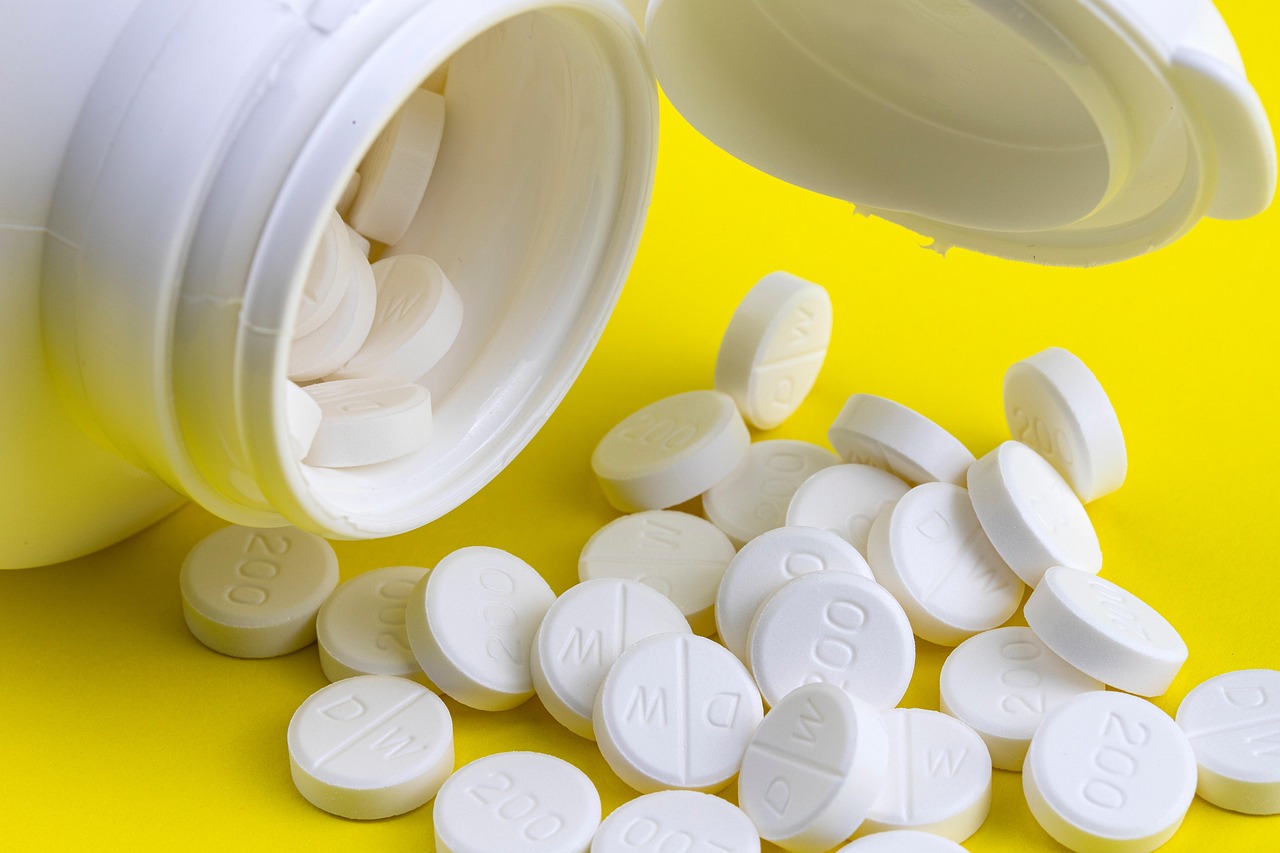

The Science Behind Anthelmintics Used for Whipworm in Dogs
Whipworms, scientifically known as Trichuris vulpis, are a significant concern for dogs’ health. These parasites reside in the intestines, leading to various gastrointestinal issues. The importance of effective management is crucial, as whipworms can cause severe symptoms that include diarrhea, weight loss, and anemia. Veterinarians often recommend the use of anthelmintics as a primary strategy for treatment and prevention. These medications aim to eliminate whipworms and other intestinal parasites effectively. Anthelmintics work by disrupting the parasites’ metabolism or neuromuscular functions. This enables the dog’s immune system to clear the infection. A common anthelmintic for whipworm is fenbendazole, which is particularly effective due to its mechanism of action. Other treatments might include ivermectin and milbemycin oxime. These drugs target different stages of the whipworm lifecycle, making them versatile. To enhance treatment effectiveness, owners must ensure the environment is free of contamination and follow all veterinary guidelines. Regular fecal examinations are recommended to monitor the intestinal health of pets. Prevention is the key to managing whipworm infestations and maintaining overall health.
While anthelmintics are pivotal in controlling whipworm, understanding the treatment schedule is essential.
This involves administering the medication over specific intervals to ensure all worms, including larval stages, are eradicated. Most veterinarians suggest multiple treatments spaced several weeks apart, allowing any remaining eggs to hatch before retreating. Owners must adhere to their vet’s recommendations to prevent reinfestation. Additionally, it is crucial to combine medical treatment with environmental management. Regular cleaning of the dog’s living area can help eliminate poop and reduce the likelihood of contracting whipworms again. A critical point is knowing that whipworm eggs can survive in soil for years, making thorough cleaning essential. Always consult with a veterinarian before altering any dosage or treatment routine. Environmental factors significantly influence whipworm prevalence, showing seasonality in some regions. High humidity and temperate weather can increase the likelihood of whipworm infection. Thus, dog owners must remain vigilant and monitor their dogs’ health closely. If symptoms of gastrointestinal distress appear, seek veterinary attention promptly. Combining proactive veterinary care with environmental sanitation significantly enhances the success rate of whipworm management in dogs.
Choosing the Right Anthelmintic
Determining the best anthelmintic for whipworm treatment in dogs involves understanding the specific properties of each drug. Fenbendazole has historically been the go-to choice due to its broad spectrum and effectiveness against whipworms. However, drugs like ivermectin and milbemycin oxime also provide viable alternatives. Each drug has a unique mechanism of action, impacting efficacy against whipworms. Fenbendazole interferes with glucose metabolism, leading to energy depletion in the parasite. On the other hand, ivermectin exploits the nervous system of parasites, causing paralysis. Milbemycin oxime targets neurotransmission, rendering the worms incapable of survival. Veterinarians may opt for a combination of these drugs, enhancing the likelihood of achieving total eradication. It’s essential to base the choice on individual dog circumstances, considering factors such as age, health status, and breed susceptibility. Always consult a veterinarian for the most suitable option based on the dog’s health. Tailoring the treatment protocol increases the likelihood of effective management and recovery. Furthermore, regular monitoring through fecal examinations can provide insights into treatment effectiveness. This blend of medication and monitoring is vital for maintaining an optimal health status for your dog.
Beyond medication, dog owners should recognize the significance of preventive measures.
Whipworm prevention involves several strategies, primarily focusing on hygiene and regular vet check-ups. Regular deworming, especially for puppies and newly adopted dogs, is crucial. Puppies often have immature immune systems, making them particularly susceptible to whipworm infestation. As part of preventive strategies, regular fecal testing ensures early detection of any parasitic infections. Additionally, maintaining a clean environment can drastically reduce the risk of whipworm contagion. This includes frequent yard cleaning and proper disposal of dog waste, which can harbor whipworm eggs. Outdoor areas should be routinely checked and sanitized, especially where dogs tend to spend most of their time. For pet owners living in regions with a high incidence of whipworms, increased vigilance and regular consults with the veterinarian can bolster preventive practices. It’s critical to monitor any changes in your dog’s behavior or appetite, as these can indicate potential health issues. The importance of a multifaceted approach incorporating medication, environmental hygiene, and ongoing vet support cannot be underestimated in the fight against whipworm infections.
The Role of Nutrition in Parasite Management
Another essential factor in managing parasites like whipworm in dogs is nutrition. A balanced diet plays a crucial role in enhancing the immune system, enabling dogs to fend off infections more effectively. High-quality dog food, especially with essential Omega-3 fatty acids and antioxidants, can support overall health. Foods rich in nutrients improve gut health, allowing it to withstand parasitic threats. Probiotics can also contribute to maintaining gut flora balance, further helping in parasite prevention. When dogs receive proper nutrition, they exhibit better resilience against infections. However, it is important to note that no food can replace the necessity for medications in case of an active whipworm infection. Furthermore, malnutrition can significantly increase the vulnerability to infestations. Regular veterinary evaluations will help identify dietary needs specific to each dog’s requirements. Hydration is also critical; ensure your dog has constant access to fresh water. When you combine a nutritious diet with effective medication and strict hygiene practices, you form a comprehensive strategy against whipworms. This holistic approach underscores the importance of considering nutritional aspects while managing parasitic threats.
In addition to nutrition and sanitation, awareness about symptoms of whipworm infestation is crucial.
Early detection can lead to timely intervention, significantly improving outcomes. Whipworm infections often present in subtle ways, beginning with occasional diarrhea or changes in appetite. As the infestation progresses, dogs may exhibit symptoms such as blood in the stool or increased lethargy. Weight loss can also occur as the worms compete for nutrients in the intestines. If these symptoms appear, promptly seek veterinary advice for a proper diagnosis. A fecal test can confirm the presence of whipworm eggs and guide treatment decisions. Post-treatment monitoring is equally important to ensure that the infection has been fully addressed. Owners should continue observing their pets for any recurrence of symptoms after medication. Proactive and vigilant monitoring is essential for the dog’s health, preventing further complications. Regular veterinary check-ups can catch issues before they become severe. It can be tempting to dismiss minor symptoms, but early action is always beneficial. Being well-informed about the risks associated with whipworms can drastically improve your dog’s prognosis.
Concluding Thoughts on Whipworm Management
In conclusion, managing whipworm infestations in dogs requires a comprehensive, informed approach. Understanding the importance of anthelmintics and their mechanisms enhances treatment effectiveness. Recognizing the role of hygiene, nutrition, and monitoring is vital for implementing a successful strategy. These efforts combined significantly reduce the risk of whipworm infections among dogs. Regular veterinary care must be treated as an indispensable aspect of this process. Engaging in preventative measures alongside active treatment creates a favorable environment for dogs to thrive without the burden of parasitic infections. Ensuring complete education on this topic empowers pet owners, allowing them to make informed decisions regarding their dog’s health. Remember that health management is an ongoing process that requires commitment and vigilance. Advocate for your pet’s health by maintaining open communication with your veterinarian and adhering to their recommendations. It also encourages responsible ownership and ensures your dog’s life is healthy and happy. With proper knowledge, practices, and collaboration with veterinary health professionals, whipworm management can become a more effective, straightforward process for both dogs and their owners.