
How to Identify Signs of Aggression in Your Dog
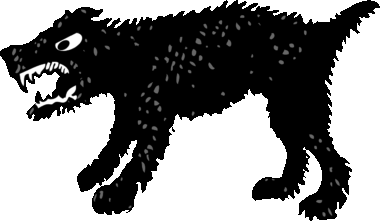
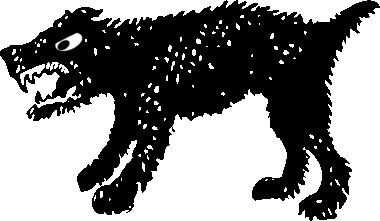
Identifying signs of aggression in dogs is crucial for any dog owner. Aggressive behavior can pose serious risks to both the dog and those around it. It’s important to know how to observe and recognize these signs early. Various factors can contribute to aggression, including fear, territorial instincts, and even pain. By understanding the underlying causes, early intervention can be implemented. Watching for specific body language is one of the keys in identifying aggression. If your dog is showing signs like growling or baring its teeth, this indicates discomfort. Other signals might include a rigid stance or raised hackles. Being aware of these behaviors can help you respond appropriately. If unrecognized, aggression can escalate. In many cases, consulting professionals is advised. Trainers and behaviorists can provide valuable insights and effective strategies to address aggression safely. Ensuring a safe environment is paramount. A proactive approach can mitigate the risk of aggressive incidents. Proper socialization and training can assist in preventing aggressive tendencies. Keeping your distance when signs of aggression are observed is also advisable, keeping both your dog and others safe.
Recognizing Body Language
Body language plays a vital role in indicating aggression in dogs. Dogs communicate their feelings through posture, facial expressions, and overall demeanor. A dog that feels threatened may exhibit stiff body language, such as standing tall and pushing its chest forward. Additionally, other behaviors like growling or hackles raised signal discomfort. Understanding these cues allows owners to intervene before aggression escalates. Different breeds may have specific traits linked to aggression, thus requiring tailored observational techniques. For example, a Chihuahua may exhibit aggression in distinct ways compared to larger breeds. It’s essential to view the context behind their behavior—what is causing the stress? Furthermore, a dog showing teeth without a growl might simply be feeling playful. It’s important not to misinterpret stress signals as playfulness, as this can lead to dangerous situations. When observing your dog, always look for combinations of behaviors to get an accurate picture of their emotional state. Educating yourself on dog behavior is tremendously beneficial. Resources exist that specialize in canine body language, providing opportunities to learn. It’s a matter of being aware and proactive in your dog’s well-being.
Trigger factors often lead to aggressive behavior in dogs. Identifying these triggers is key to preventing future incidents. Common triggers may include certain loud noises, unfamiliar environments, or people. Knowing what causes your dog to feel threatened is critical for ensuring everyone’s safety. If your dog reacts aggressively at the vet, it may indicate a fear of the environment rather than a general distrust of humans. Such specific triggers allow owners to address problems effectively. For example, desensitizing a dog to sounds or situations that provoke aggressive reactions can greatly improve behavior. Gradually exposing them to mild versions of their triggers can help in reducing their anxiety. Consistent training and reinforcement work hand in hand to create a calmer demeanor. Support from professionals can also be invaluable when dealing with persistent aggression. Treatment plans incorporating behavioral training techniques tailored to individual dogs can yield significant improvements. Taking action may require time, patience, and commitment from you. However, the emotional benefits for both you and your dog will ultimately make your efforts worthwhile. With proper attention and effort, achieving positive behavior changes is not only possible but likely.
Understanding Situational Context
Situational context is essential for interpreting aggressive behaviors in dogs. Observing the environment and the emotional state of your dog can reveal a lot about their reactions. Dogs may feel threatened during specific situations, leading to inappropriate responses. For instance, feeding a dog while strangers are nearby may trigger resource guarding aggression. Recognizing this context helps owners adjust their approach to handling such behaviors. Every scenario is unique and influences how a dog will react. An understanding of their past experiences, temperament, and fear can also provide insight into their behavior. Avoiding situations that you know cause aggressive responses is a prudent strategy. It may mean keeping your dog away from crowded places where they feel overwhelmed. Providing your pet with a safe space to retreat when stressed can mitigate aggressive episodes. Creating a consistent routine assists in reducing anxiety as well, contributing to calmer behavior overall. Predictability in their environment leads to a more secure and confident dog. Paying attention to external factors such as the presence of other animals or distractions will serve you well. Each observation deepens the understanding of your dog’s individual needs.
Socialization is a critical part of preventing aggression in dogs. Introducing your dog to various environments, people, and experiences can help develop their social skills. Proper socialization reduces the likelihood of fearful or aggressive behavior later in life. Puppies are particularly impressionable, and early exposure can drastically shape their behavior. When socializing your dog, ensure that the experiences are positive—reward-friendly interactions rather than negative ones. This includes ensuring that your dog is comfortable around children, other pets, and different sounds. If a bad experience occurs during socialization, it may lead to lasting fears and aggression. Take care to monitor your dog’s reaction to new stimuli, and make adjustments accordingly. Gradual introductions in controlled environments work best for socialization processes. Engaging in regular social activities also boosts their confidence and reduces aggression risk. Professional training classes serve dual purposes of socializing and teaching commands. This interactive approach benefits both dog and owner, providing supportive learning environments. Engaging in community activities can also allow your dog to thrive in social settings. Overall, consistent and positive socialization experiences lay the groundwork for healthier behavior moving forward.
Seeking Professional Help
When faced with aggression problems, seeking professional help can often be a beneficial step. Professionals, such as certified dog trainers or behaviorists, possess the expertise to evaluate the situation adequately. They can create customized training plans based on the individual dog’s behavior and needs. Addressing aggression requires special techniques that may be too complex for average owners to tackle alone. Moreover, experts can differentiate between fear-based and dominance-aggression more reliably. Their insights help to pinpoint the exact issues your dog may be facing. Some dogs may require medical intervention, particularly if pain is influencing aggression. A veterinarian’s advice becomes vital in such scenarios, ensuring the chosen behavioral strategies are appropriate. A collaborative approach between owners and professionals promises the best outcomes in modifying behavior. As dogs often display nuanced behaviors, thorough evaluations are necessary to develop effective training plans. Consistency is key when implementing professional recommendations, reinforcing positive behaviors exhibited by your dog. The cooperation between owner and trainer leads to a clearer understanding of the dog’s needs and environment. Ultimately, the goal is to ensure a harmonious relationship between dogs and humans.
Ensuring a safe environment is paramount when managing aggression issues in dogs. A responsible owner must create protective measures to keep everyone safe. This may include proper leash usage or securing the property to prevent escape. Confined areas can also shield other animals and people from potential harm. Implementing safety protocols, like using baskets muzzles when in public, may be necessary for added security. Familiarity with training commands can facilitate better control when encountering triggers in diverse situations. Awareness of aggressive tendencies can help owners prepare in advance. Avoiding environments that provoke aggressive reactions promotes a more harmonious living situation. Shaping alternative behaviors can also reduce unwanted actions—teaching fundamental commands leads towards better compliance. Generating a routine for exercise and mental stimulation fosters a balanced temperament, reducing stress, and ultimately decreasing aggression. Building positive experiences through engagement helps dogs learn alternative reactions. Encouragement, praise, and reward for appropriate behaviors help reinforce positive conduct. Patience and understanding are essential for long-term results. Emphasizing proper care, training, and monitoring promotes a well-behaved dog. In turn, this ensures a mutually satisfying relationship between dogs and their owners.