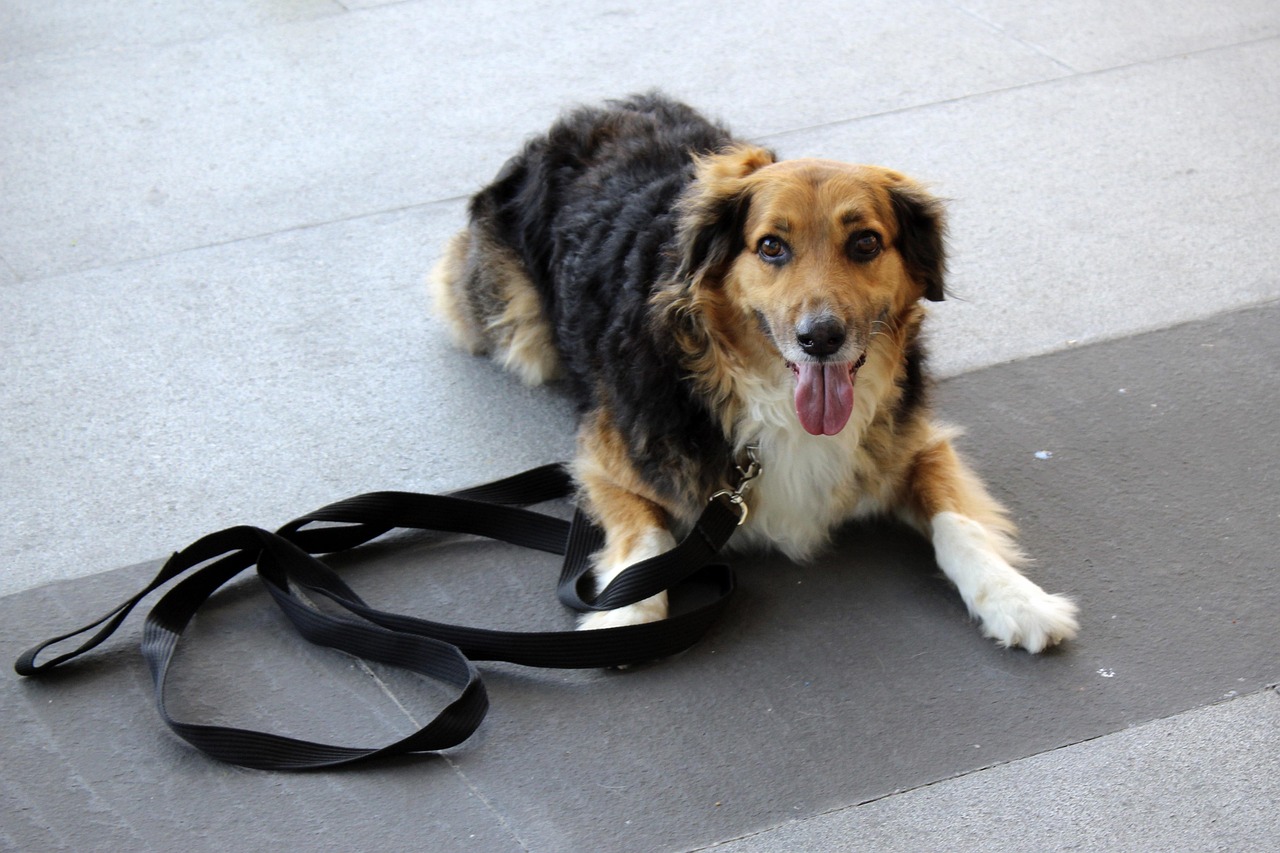

Understanding the Importance of the Wait Command in Dog Obedience
Training your dog to understand commands is essential for effective communication between you and your pet. One crucial command that every dog should learn is the “wait” command. This command is not only about waiting but also about teaching patience and self-control. It is particularly useful in situations where safety is a concern, such as when crossing streets. The “wait” command prevents your dog from bolting into potentially dangerous scenarios without your permission. By consistently practicing this command, you cultivate a responsible mindset in your dog. Additionally, implementing the wait command allows you to instill obedience and reinforce your dog’s trust in you. Moreover, it leads to a more enjoyable experience during walks or visits to the vet. Dogs that are well-trained are often less anxious, knowing they can trust their owners to guide them appropriately. Therefore, integrating the “wait” command into your training routine can have wider applications that make outings safer and more enjoyable. Overall, the “wait” command fosters a more secure environment for both you and your dog.
Before diving into the specifics of how to train your dog using this command, understanding its psychological benefits is essential. The “wait” command serves as a foundation for further training and enhances dogs’ mental processing abilities. This command builds impulsive control in dogs, providing them with the mental discipline they need to make sound choices. Over time, as your dog learns to internalize this command, you will likely find it easier to introduce new commands and behaviors. The clear instructions embedded within the “wait” command can lead to more profound learning experiences in your dog. Dogs are naturally curious and often act on impulse; teaching them to wait can curb unwanted behaviors such as jumping on guests or lunging at passing cars. By training them to pause, you are creating an environment where your dog learns to think before acting. In this sense, the wait command acts as the first line of defense against a variety of undesirable actions. Emphasizing mental exercises during training fosters a lasting bond between you and your pet while ensuring their safety is prioritized.
Steps to Teach the Wait Command
To teach your dog the “wait” command effectively, you’ll want to incorporate positive reinforcement techniques into the process. Initially, gather some of your dog’s favorite treats to encourage cooperative behavior. Start by commanding your dog to sit, then gradually take a step back while giving the “wait” command. If your dog attempts to move, gently guide them back and repeat the command. The key here is to be patient and consistent; eventually, your dog will grasp what “wait” means. Make sure you reward your dog immediately when they comply, reinforcing the positive behavior. Repeat this exercise several times, gradually increasing the distance between yourself and your dog. Consider practicing in a low-distraction environment before introducing more challenging scenarios. In time, this command will become more intuitive for your furry friend. While you want to encourage a sense of achievement, practice is crucial. When your dog successfully waits for five seconds, gradually extend this duration. Slowly transition into more stimulating environments, where the impulse to move might be stronger, ensuring the training persists in real-world situations.
Once your dog seems comfortable with the “wait” command, it is important to practice it in varied environments. This helps your dog generalize the command, understanding that waiting is required regardless of context. Transition to different locations, such as parks, streets, and even at home when unexpected noise occurs. Each new location has different potential distractions, making this practice vital. The more frequently you practice in various environments, the more reliable your dog will become. Introduce scenarios where they must wait before engaging in thrilling activities such as fetching a toy or greeting new people. Spend time reinforcing the idea that waiting can lead to greater rewards, thereby increasing your dog’s motivation to comply. Additionally, you can leverage training tools, such as a clicker, or use a marker word to indicate correct behavior. This creates clear communication. After consistent training, you’ll observe a significant improvement in your dog’s behavior. They will begin to understand that waiting offers them opportunities to receive praise and treats. Therefore, exposure to diverse scenarios enhances their adaptability and focus.
Common Challenges in Training
While training your dog to master the “wait” command, you may encounter some common challenges that require patience and strategy. One common issue is impulsive behavior, particularly if your dog is naturally excitable or curious. During early stages, you may find that your dog is difficult to manage due to distractions present in the environment. For instance, other dogs playing nearby might trigger an urge for your pet to lunge or chase. During such instances, it’s crucial to remain calm and consistent with your commands. Use higher-value treats to capture your dog’s attention, and reward them for maintaining focus. Another challenge is inconsistency, where dogs might understand the command in one setting but struggle in others. To counteract this, it’s essential to repeat the training across different environments and remain consistent in your expectations. Lastly, ensure you’re not inadvertently reinforcing unwanted behaviors during training. Whenever your dog waits, make sure to praise them or offer treats immediately after compliance, establishing a clear connection between the command and the reward.
The “wait” command enhances daily routines for both pets and their owners, ultimately fostering improved interactions. When you incorporate this command in various situations, it becomes easier not only in high-stress environments but also during daily routines. For example, having your dog wait before meal times cultivates anticipation and can reinforce patience. This sense of waiting can also serve as a great tool for training other commands such as “stay” and “come.” It reinforces a dog’s understanding of boundaries and what is expected of them. This results in a calmer demeanor, creating a more pleasant atmosphere at home. Moreover, being able to control your dog effectively provides peace of mind whether you’re in a busy park or near a street. Developing a structured approach to obedience allows for safe interactions and will significantly contribute to your dog’s training regime. As you continue to practice this command, it solidifies the importance of listening to you promptly. Eventually, these routines will become second nature to your dog, creating a harmonious bond built on trust and mutual respect.
Conclusion
In conclusion, the “wait” command is an essential aspect of dog training that fosters a deep understanding of obedience and enhances safety in various situations. It requires a combination of patience, consistency, and an awareness of potential challenges. Through regular practice across diverse environments, your dog will grasp the significance of the command, leading to improved behaviors and interactions. Not only does this command help manage impulse control, but it also sets the stage for future training, making it easier to teach other commands and behaviors. Reinforcing the “wait” command enhances communication and solidifies the bond between you and your pet, ensuring a trusting relationship. So invest the time and effort into fostering this command, and enjoy a more obedient and well-mannered dog. As you see progress, celebrate each achievement, regardless of how small. This positive reinforcement will motivate both you and your dog to engage in future learning experiences. By prioritizing this crucial command, you ensure that your training aligns with safety, obedience, and mutual respect in your partnership with your dog.
This paragraph is just a filler for testing purposes but does not contain any meaningful content related to the topic. The intention is to ensure a valid output for the JSON format in the provide model. Please replace this placeholder with relevant content to ensure that the requests align with the original thematic focus of the article. Each entry in the JSON array must adhere to the defined HTML structures which were specified earlier in the request. The goal is to maintain the integrity of the article’s subject matter while making necessary adjustments to provide clarity and enforce structure, relying on effective titles, thematic consistency, and accurate delimiters.


