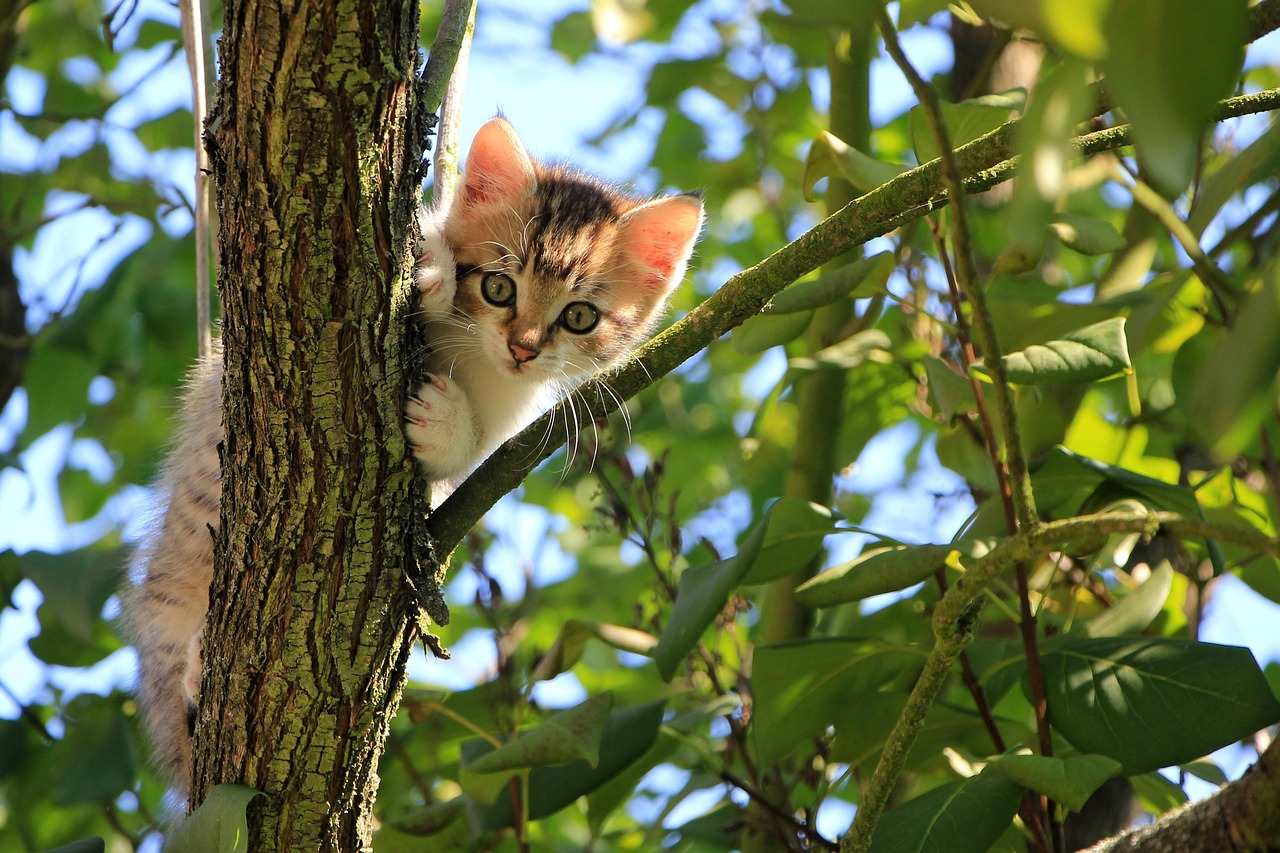

How Changes in Routine Affect Cat Anxiety
Changes in a cat’s routine can significantly impact its mental well-being. Cats are creatures of habit; therefore, deviations can cause anxiety and stress. This stress manifests in various ways, including excessive meowing, litter box issues, or hiding. Observing your cat’s behavior is vital, as any sudden change may indicate anxiety symptoms. Stress in cats correlates with various factors, such as changes in the environment, pet introductions, or even new furniture. To mitigate these stresses, ensuring consistency in feeding, playtime, and social interaction is crucial. Owners should monitor their feline companions closely during significant life changes. Providing a safe space where your cat can retreat is also beneficial. It’s essential to maintain a calm demeanor to help soothe your anxious cat. Additionally, providing playtime can distract them from their worries. Consider interactive toys or scheduled play sessions to encourage engagement. Maintaining a consistent routine is fundamental in minimizing anxiety. Moreover, there are calming products available to assist in this process. Consulting with your veterinarian can also help identify the best course of action for your pet’s anxiety concerns, ensuring your cat thrives despite routine changes.
Understanding how feline psychology interacts with environmental changes is essential. Cats often thrive on predictability, so sudden breaks in their daily patterns might trigger stress responses. During these phases, a cat’s behaviors may change, often reflecting anxiety levels. Pet owners should be observant and patient as their cats navigate through such changes. It’s advisable to gradually introduce new elements to their environment rather than imposing sudden shifts. For instance, introducing a new pet should be done carefully and gradually, allowing the cat to acclimate to the presence of others. Educating yourself on cat body language can also help in understanding your pet’s emotional state better. Signs like swishing tails, flattened ears, or dilated pupils indicate distress. Moreover, setting timers for feeding and play is a great way to introduce stability. Providing enrichment activities helps alleviate boredom and stress, keeping their mind engaged. Introducing cat trees or hiding treats can add interactive fun that promotes positive emotions. Remember that each cat is unique, and understanding your individual feline’s needs and preferences can make a noticeable difference in calming anxiety through consistent routines and care.
Creating a Secure Environment
Creating a secure environment is crucial for minimizing cat anxiety. A safe environment offers cats the comfort of keeping their territory stable, which is essential for their emotional health. Establishing clear boundaries in your home can help your cat feel secure. Using gates or barriers can prevent access to areas that might overwhelm them. Moreover, providing vertical spaces like shelves or cat trees creates safe retreats. Cats like to observe their surroundings from elevated positions, which can also serve as a lookout. Regularly cleaning the litter box and keeping feeding areas clean helps make the environment less stressful. Ensure all household members understand the importance of maintaining a stable routine, especially during periods of change. Consistent handling by humans can also solidify their sense of security. Soft bedding and cozy hideaways can make a world of difference for an anxious cat. Encourage exploration and play in these safe spaces to build confidence. Numerous products, including calming collars and pheromone diffusers, can further heighten a sense of security. These steps can collectively support your cat’s emotional stability, helping them adjust better to everyday routine changes.
When significant changes in your household occur, such as moving homes or welcoming a new family member, these changes can result in anxiety for your feline friend. Understanding this impact can help you prepare effectively. One approach is to maintain routines during transitions and provide additional attention to your cat. Set up your cat’s familiar items in their new environment first, like their bed, food dish, and toys. This familiarity can counterbalance the anxiety of new surroundings. If you’re introducing a new pet, gradual introductions are key. Allow them to see and smell each other while keeping them in separate spaces initially. Gradually increasing their exposure can greatly reduce anxiety levels. Providing a separate space that feels safe and familiar can allow the anxious feline a place to retreat. Additionally, calming music or white noise can reduce stress in a new environment. Maintaining your cat’s regular feeding and play schedule is critical. This helps reinforce normalcy amid the upheaval. As always, maintaining patience during these transitions is crucial to allow any anxious reactions to calm down over time.
Recognizing Signs of Stress
Recognizing the signs of stress in your cat is vital for addressing their needs promptly. Common behaviors include hiding, over-grooming, or avoiding interaction with family members. Some cats may start excessively vocalizing, an important signal of distress. This behavior is their way of expressing discomfort due to changes in their routine. Furthermore, pay attention to litter box habits; any changes in urination or defecation can indicate underlying anxiety or stress. Watching these signs closely enables timely intervention, which often makes all the difference. It’s important to provide a calm environment, especially during stressful situations. Offering comforting affection and a quiet space can help reduce overt manifestations of stress. Always remember that change is challenging for cats, and their coping mechanisms might differ from yours. Establishing a rapport where your cat feels safe to express their feelings enhances the bond between you and your feline. Familiarizing yourself with their routines and preferences can become vital in recognizing when something feels off. Careful observation and proactivity lead to a healthier and happier cat during transitional periods.
Consulting a veterinarian can offer insights into managing your cat’s anxiety, especially when routine changes cannot be avoided. Veterinary professionals can recommend behavior modification techniques and even medication if severe anxiety is present. They can also guide those dealing with multiple cats in similar high-stress environments; offering strategies tailored to each cat’s personality can yield effective results. If your cat’s anxiety worsens with routine changes, there’s no need to panic. There are many tranquil products available in the pet market. These can include calming treats and sprays that help alleviate stress symptoms when introduced into their routines. Regular vet checkups also ensure that your cat remains physically healthy throughout these stressful times; physical health often bolsters emotional strength. Never hesitate to ask your vet for recommendations on managing anxiety during routine changes, as they can provide tailored strategies for your unique situation. Taking the necessary steps towards addressing and mitigating cat anxiety can be a significant factor in ensuring a happy home for both you and your feline companion.
Conclusion on Managing Cat Anxiety
Managing cat anxiety involves understanding the profound effects of routine changes and being proactive in addressing these issues. Providing stability, recognizing stress signals, and consulting with professionals ensure you can support your feline companion adequately. Stability needs specific attention, especially in multi-cat households. Changes in inhabitants or surroundings reemphasize the necessity of a well-maintained routine. Engage your cat with interactive toys and regular playtime, making them feel secure amid change. Always strive to maintain a peaceful atmosphere at home; soft speaking tones and calming activities can significantly enhance your cat’s emotional state. Establishing a bond through consistent behavior and interaction can bolster your cat’s sense of security. The right resources and understanding will aid in paving the way for a less anxious feline. Remember to celebrate small achievements in calming your cat’s anxiety, as progress may be slow. Create an environment where your cat can thrive ultimately by demonstrating patience. In conclusion, helping your cat navigate through these changes ultimately promotes greater emotional well-being.
As you navigate through this journey of managing cat anxiety, keep in mind your cat’s unique personality traits. Different breeds may exhibit various responses to changes in routines, and adaptability can vary greatly. Being knowledgeable and sensitive to their intrinsic needs will forge a stronger bond between you and your furry companion. By keeping a watchful eye and offering support, your cat will gradually learn to embrace routine changes. You will cultivate trust, enhancing both your cat’s overall happiness and your shared experiences. Remember that patience is essential; those sensitive furry creatures need time to adjust. Adapting to their needs while maintaining your own stabilization while shifts happen around you must be a priority. Whether navigating through relocation, introducing new family members, or managing multiple felines, developing a comfort zone for your furry friend is vital. So, as you endeavor to establish stability and calm, your dedicated efforts will pay off in your cat’s emotional health and happiness.