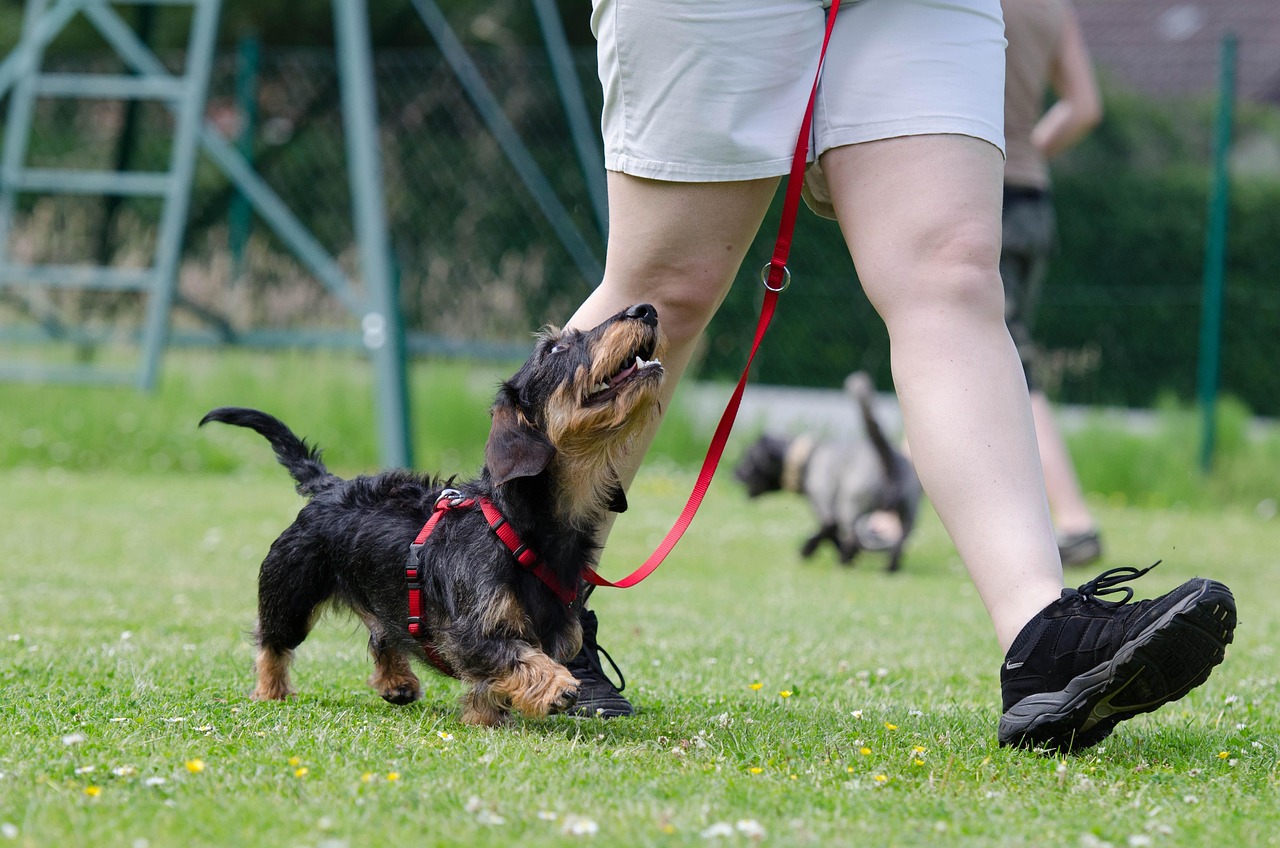

How to Handle Stage Fright in Competitive Dogs
Stage fright in competitive dogs can have a significant impact on performance. Understanding this issue is crucial for trainers and owners. When dogs feel pressured in a competition setting, they may exhibit nervous behaviors such as barking, pawing, or even refusing to perform. Recognizing the signs is the first step towards addressing their anxiety. Providing a calm environment before competitions helps alleviate stress. Additionally, gradually exposing dogs to different stimuli during training prepares them for the competition’s distractions. Practice sessions mimicking real scenarios improve their comfort levels. Consistency in training routines promotes familiarity, enabling dogs to adjust better. It’s essential for trainers to remain patient and supportive. Positive reinforcement techniques can cultivate a sense of safety and confidence. Gradually increasing the difficulty level in training helps dogs cope with anxiety effectively. Seeking professional guidance, if needed, can provide tailored advice and techniques. Involving qualified trainers with experience in handling stage fright can offer valuable insights. Addressing stage fright requires a compassionate approach that focuses on building trust between the dog and trainer. Over time, this can lead to improved performance and a happier experience for both dogs and their handlers.
A supportive environment is paramount for dogs facing stage fright. Forcing them into high-pressure situations may exacerbate their anxiety. Understanding your dog’s limits is essential. Some dogs require more time and reassurance than others. Incorporating regular socialization practices into their routine can help reduce anxiety. Dogs need exposure to different environments, people, and other dogs. Each positive experience contributes to their confidence. Using techniques such as desensitization can prepare them for encounters that traditionally trigger anxiety. For instance, rewarding calm behavior during noisy environments can reinforce positive associations. Maintaining a calm demeanor as the handler is equally important. Dogs pick up on human emotions, so staying relaxed can positively influence their behavior. During practice, employing distractions can simulate competitive experiences. Gradually introducing these distractions during training helps dogs develop coping mechanisms. Practicing deep breathing techniques for both dogs and owners can lower stress levels effectively. Always celebrate small victories, as these social reinforcements build self-esteem. Remember, every dog’s journey is unique. Tailoring your approach to meet individual needs fosters a stronger bond and helps your dog thrive in competitive environments.
Building Confidence Through Training
Confidence-building exercises are integral for addressing stage fright in competitive dogs. Engaging in various training activities can help dogs gain confidence over time. These exercises are designed to focus on strengthening the dog’s skills while diminishing their anxiety. Activities such as agility training or obedience drills contribute immensely. Incorporating fun elements, like games and play, reinforces the training process. Positive rewards enhance the learning experience, making it enjoyable for dogs. Regular training sessions help establish a routine that reduces uncertainties. Consistent routines empower dogs as they learn what to expect. It’s essential to maintain a balance between challenge and success. Providing achievable goals during training enables dogs to experience small triumphs, reinforcing a sense of accomplishment. Gradually increasing training difficulty and complexity encourages mastery without overwhelming the dog. Any signs of stress during training should be addressed promptly, ensuring the dog’s emotional well-being remains the priority. Remember, the goal is to foster a loving environment where dogs can flourish. Competitions should be viewed as opportunities for connection rather than sources of pressure. This perspective shift can significantly alter a dog’s response to competitive situations.
Visualization techniques can also play a pivotal role in helping dogs overcome stage fright. Handlers can visualize a successful performance while remaining proactive during training sessions. This positive outlook sets the tone for both the trainer and the dog. Allowing dogs to engage in mental exercises enhances their focus and readiness. Additionally, practicing mindfulness techniques, where both dog and trainer take deep breaths together, promotes relaxation. Over time, dogs learn to equate these moments with calmness. Utilizing calming aids, such as aromatherapy or music, during training can also significantly alleviate anxiety. Certain scents, like lavender, have calming effects that dogs respond positively to. Incorporating these aids into the routine can help establish a more serene practice environment. Moreover, pre-competition rituals can also aid in calming nerves. Establishing a friendly and encouraging atmosphere with familiar objects, like toys or blankets, fosters comfort. Choosing the right moment for engaging with the dog, when they are calm, is crucial. Always remember, positive experiences linked with competitions will reshape their emotional reactions over time. Encouragement and praise greatly influence how dogs perceive competition environments.
The Role of Nutrition and Health
Nutrition plays a critical role in managing a dog’s anxiety levels, especially in competitive scenarios. Assessing dietary habits can reveal areas for improvement to foster overall well-being. A well-balanced diet supports physical health and mental stability. Dogs, just like humans, can experience mood fluctuations based on their nutritional intake. Consider consulting with a veterinarian regarding the best dietary choices tailored for your dog. Incorporating omega-3 fatty acids, for instance, has been shown to improve mood and reduce anxiety in dogs. Supplements may also assist with calming effects. Adequate hydration is equally vital; dehydration can exacerbate stress levels and impact performance. Regular exercise is crucial in maintaining good health and promoting relaxation. By allocating time for routine outings that encourage physical activity, dogs can burn off excess energy. It’s essential to integrate proper rest and recovery time into their routine, ensuring they remain energized and motivated. Remember to monitor their health consistently, as various health challenges can surface. Taking proactive measures in addressing health concerns contributes to a balanced lifestyle, which is conducive to successful participation in competitions.
Handling stage fright effectively often involves the entire family unit participating in the dog’s training. Everyone involved should understand their role in the dog’s journey. Maintaining consistency in messages and behaviors is key. The emotional and physical well-being of the dog should be a coalition effort. Family members must remain positive and encouraging during training. Practicing commands and tricks together can strengthen familial bonds and enhance the dog’s confidence. Creating joint training sessions fosters teamwork and shared understanding. Establishing a stable routine that accommodates the dog’s competition schedule keeps everyone aligned. Family members should encourage dogs, allowing them to feel supported. Engaging in healthy activities together leads to mutual growth and stronger relationships. Dealing with stage fright becomes easier when everyone is committed to the dog’s success. The shared experiences will enrich the dog’s training journey and overall happiness. It’s essential for handlers to communicate openly and frequently, exchanging insights and thoughts on what works best. This continuous dialogue builds a sense of community around the dog. Ultimately, this teamwork alleviates pressure from the dog and encourages positive development, resulting in better performance during competitions.
Conclusion: A Holistic Approach to Training
In conclusion, tackling stage fright in competitive dogs requires a holistic and compassionate approach. Combining various techniques, including training, nutrition, and emotional support, provides a comprehensive strategy to manage anxiety effectively. Recognizing that each dog is unique emphasizes the need for tailored solutions. Continuous learning and adapting the training approach based on the dog’s response can lead to significant improvements. Engaging with professionals specializing in canine behavior can offer additional resources and support. Their expertise can be invaluable in navigating the complexities associated with stage fright. Moreover, establishing a positive mindset for both dog and trainer sets the foundation for long-term success. Viewing challenges as opportunities for growth encourages resilience. Celebrate each achievement, regardless of its size, as these moments contribute to building confidence. As the bond strengthens through shared experiences, dogs will likely respond better in competitive settings. The ultimate goal is to foster a joyful training atmosphere where dogs feel secure and valued. This durable foundation will help dogs thrive not only in competitions but also in their daily lives, enhancing their overall quality of life.
By integrating all the various aspects discussed, trainers can create a well-rounded training program that specifically addresses the needs of dogs facing stage fright. Establishing an adaptive training schedule that reflects both the handler’s and the dog’s strengths and weaknesses ensures growth on both sides. Regular evaluations of the dog’s emotional state provide insights into their progress, helping trainers make necessary adjustments. Although dealing with stage fright can seem daunting, remembering to approach the process with patience and empathy transforms the experience. Whenever necessary, it’s crucial to celebrate progress and adjust expectations accordingly. With dedication and the right strategies, overcoming stage fright can be a rewarding journey that enhances the relationship between dog and handler. It’s a tale of triumph that leads both to success and joy in their shared experiences. The strategies outlined above are not just quick fixes; they are building blocks to long-term success in competition settings. Remaining flexible and responsive to individual dog’s needs is essential for triumphant outcomes. Ultimately, understanding and addressing stage fright holistically can transform the competitive experience into an enjoyable adventure for dogs and their handlers alike.