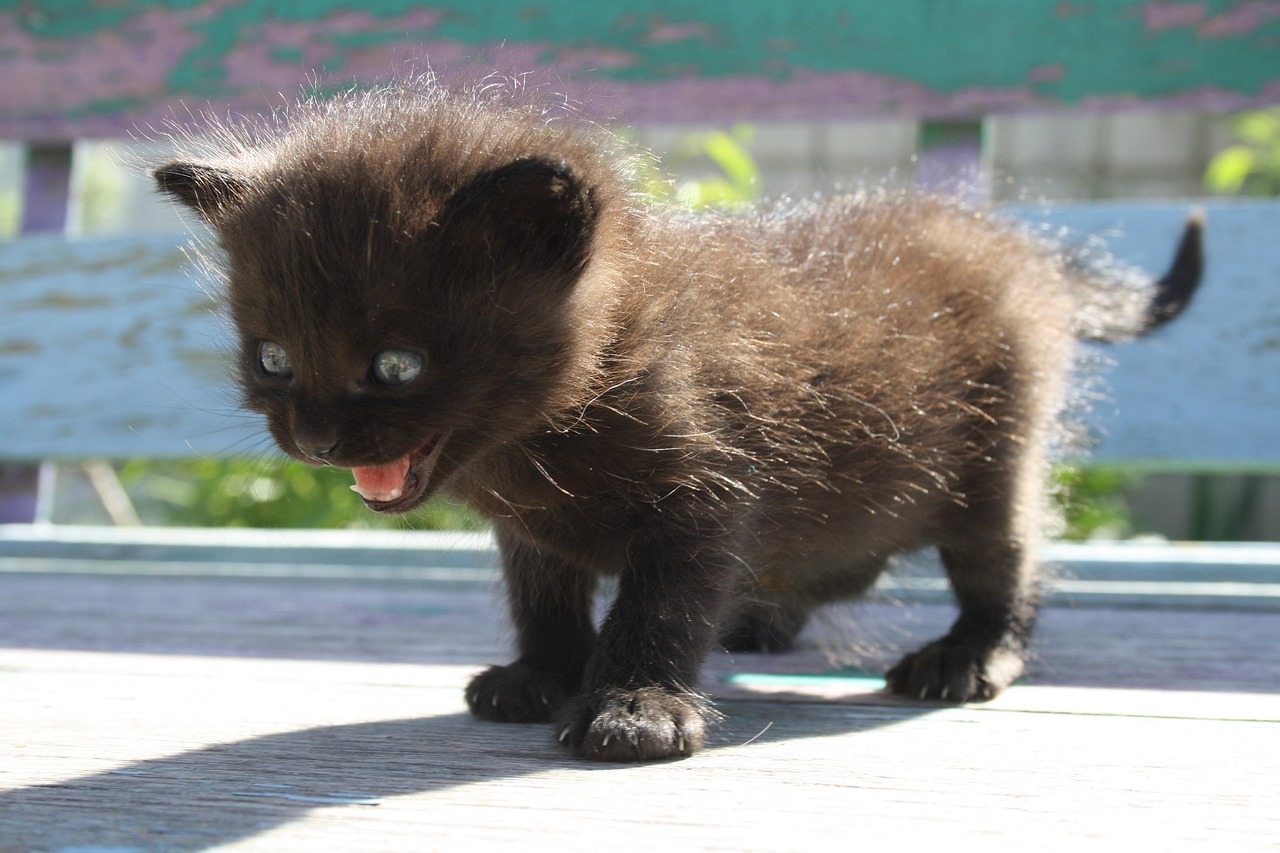

Addressing Cat Fearfulness: Helping Your Cat Overcome Anxiety
Understanding cat fearfulness is essential for pet owners aiming to nurture a harmonious relationship with their feline companions. Anxiety in cats often manifests as fearfulness, leading to various behavioral issues. To successfully address these concerns, identifying the underlying causes is vital. Common triggers may include loud noises, new environments, or even certain individuals. Furthermore, cats are creatures of habit, and sudden changes can exacerbate their anxiety levels. Owners should be observant and attentive to their cat’s body language, as it can provide critical clues about their emotional state. Signs of fearfulness may include hiding, excessive grooming, or aggression. Providing a safe space and environment where a cat feels secure is the foundation of reducing anxiety. Various methods can help alleviate fearfulness, including gradual desensitization techniques and creating a predictable routine. Understanding and implementing appropriate strategies requires patience and time. Knowledge of feline behavior can greatly enhance communication between the owner and pet. It’s essential to approach the issue with empathy and support, enabling the cat to feel more at ease in its surroundings.
One effective strategy for addressing anxiety in your cat is through safe spaces. A safe space can be a designated area in your home that provides shelter and comfort. This area should contain your cat’s favorite bedding, toys, and perhaps some soothing scents. Encourage your cat to explore this area voluntarily, allowing them to retreat there whenever they feel overwhelmed. You might also consider using calming products such as pheromone diffusers or sprays, which can create a comforting atmosphere. Additionally, interactive toys can help engage your cat’s mind and reduce feelings of stress. To maintain a calm environment, minimize loud noises and avoid sudden movements around your cat. Moreover, when introducing changes in your home, such as new furniture, allow your cat time to adjust. This gradual introduction will help mitigate fear responses. Always approach your cat gently, using a soft voice and slow movements to help build their confidence. Engage in regular play sessions to strengthen the bond between you and your pet, which can significantly reduce anxiety over time. The goal is to establish a routine that reinforces your cat’s sense of security, ultimately fostering a relaxed and confident companion.
Recognizing Signs of Anxiety and Fear
Before you can effectively help your cat overcome anxiety, it is crucial to recognize the signs of fearfulness. Each cat may display unique symptoms, from subtle indications to overt behaviors. Common stress signals include hiding, excessive meowing, and altered litter box habits. Additionally, some cats might exhibit destructive behaviors, such as scratching furniture or chewing on household items. The key is to be vigilant about these signs, as they often indicate a need for intervention. Body language is also a vital aspect of understanding a cat’s feelings. A cat with flattened ears, a tucked tail, or dilated pupils is likely experiencing fear. Furthermore, a cat that hisses or growls is attempting to express discomfort or unease. Observing these signals allows you to make necessary changes in their environment to help alleviate stress. Veterinary consultation is advisable if problems persist, as persistent anxiety may lead to physical health issues. Implementing strategies learned from this article can aid in reducing anxiety and improving your cat’s overall well-being. These practical approaches, combined with a gentle understanding, can transform a fearful cat into a secure and confident pet.
Building trust with your fearful cat is essential in addressing anxiety and behavioral problems. Trust is cultivated over time through consistent positive interactions. Start by giving your cat plenty of space and allowing them to come to you at their own pace. Avoid forcing interactions, as this can heighten anxiety. Use treats to encourage your cat to approach you, reinforcing positive associations with your presence. Additionally, frequent, quiet engagement with your cat helps establish a sense of security. Speak to your cat softly, using their name, and invite them to join you through gentle encouragement. Choosing the right time for this interaction is important; avoid loud noises or abrupt movements that might scare them. Providing predictability in your daily routine also enhances trust. Feeding and play times should occur at regular intervals, minimizing surprises that could lead to anxiety. Nevertheless, be patient with your cat, as establishing their trust can take time. Rushing the process will only exacerbate fearfulness. During this time, remain calm and understanding, celebrating small achievements in building your cat’s confidence. Consistency is key in nurturing the bond you share, ultimately leading to a more relaxed feline companion.
Proper Environmental Management
Creating a calming environment for your anxious cat is a vital step toward reducing fearfulness. An ideal setup includes access to high perches, hiding spots, and vertical spaces where they can safely explore. Cats feel secure when they have control over their surroundings, allowing them to access hideaways when feeling uneasy. Ensure that places your cat enjoys are free from disturbances by keeping loud electronics and chaotic activities at bay. A quiet environment will help provide your cat with the peace of mind needed to relax. Additionally, consider the layout of your living space; a cat-friendly home should promote exploration. Providing enriching stimuli can divert attention from stressors while keeping cats mentally stimulated. Items like climbing towers, scratching posts, and interactive toys encourage healthy play. Rotating these items can prevent boredom and maintain your cat’s interest. Furthermore, it may be beneficial to add plants like catnip that offer a sense of stimulation and relaxation. Always ensure that any plants within your home are non-toxic. Ultimately, a well-organized, secure living space can play an essential role in easing your cat’s anxiety, promoting happiness and behavioral improvement.
Training your cat using positive reinforcement can significantly assist in overcoming fearfulness. Unlike dogs, cats are independent creatures willing to engage in activities on their own terms. Hence, employing patience and consistency is pivotal in cat training. Start by teaching basic commands, like “sit” or “come,” using high-value treats as motivators. This approach creates positive associations with these commands. Moreover, it rewards your cat for taking brave steps toward confronting their fears. Training sessions should be brief and occur regularly; this helps to reinforce desired behaviors without overwhelming your cat. These positive experiences can build confidence and establish better communication between you and your pet. As your cat becomes more comfortable with training, gradually introduce more challenging tasks, allowing them to face their fears in a structured way. Celebrate their progress, no matter how small, reinforcing their courage. Socialization is also a crucial component; exposing your fearful cat to new experiences slowly will help them adapt to changes. Offering praise and rewards during these interactions can foster an environment of support and trust, ultimately transforming fear into a sense of security. With dedication, each small training success will culminate in a more self-assured, relaxed cat.
Seeking Professional Help
In instances where anxiety becomes overwhelming, seeking professional help may be the best course. Veterinarians or animal behaviorists possess expertise in recognizing and treating serious behavioral issues that contribute to fearfulness. Consulting a professional allows for a thorough assessment of your cat’s situation and may lead to recommendations tailored to your pet’s unique needs. These experts can make suggestions ranging from training approaches to environmental modifications that best suit your cat’s behavioral challenges. In some cases, medication may be necessary as a part of a comprehensive treatment plan. While medication can assist in stabilizing your cat’s anxiety levels, it should be viewed as a complementary solution alongside behavior modification techniques. Additionally, group classes designed for fearful cats may help enhance socialization skills in a controlled environment. Such settings provide opportunities to learn from trained professionals who understand feline behavior comprehensively. Ultimately, collaborating with a professional ensures that the strategies employed are safe and effective. Remember to advocate for your cat and prioritize their well-being by following through with either recommendations or training plans initiated. Assisting a fearful cat can lead to significant improvements in their quality of life and strengthen the bond you share.
Fearful cats require ongoing support through various strategies that cultivate consistent environment changes. As time progresses, continuously reassess these solutions to determine their effectiveness. What worked yesterday may not suffice tomorrow, as cats are creatures of habit who can develop new fears. This adaptability necessitates being proactive in managing their anxiety. In addition to behavioral techniques, maintaining your cat’s health through regular veterinary check-ups is essential. Physical health can significantly impact mental well-being, so addressing any underlying health issues is also crucial. This holistic approach encourages a comprehensive understanding of your cat’s needs, promoting a happier, healthier life. Foster an environment that encourages play and exploration while ensuring it remains safe and comforting. Build confidence in your cat by allowing them to engage with you through play, while also respecting their boundaries. Networking with other cat owners or joining online forums may offer insights into managing similar situations. Sharing experiences can provide additional reassurance and support to both you and your cat. The journey toward overcoming fearfulness is continuous, requiring love, patience, and adaptability. With dedication, you can help your cat achieve significant improvements in their emotional well-being, transforming anxiety into comfort and tranquility.