
Future Trends in Cat Microchipping Technology
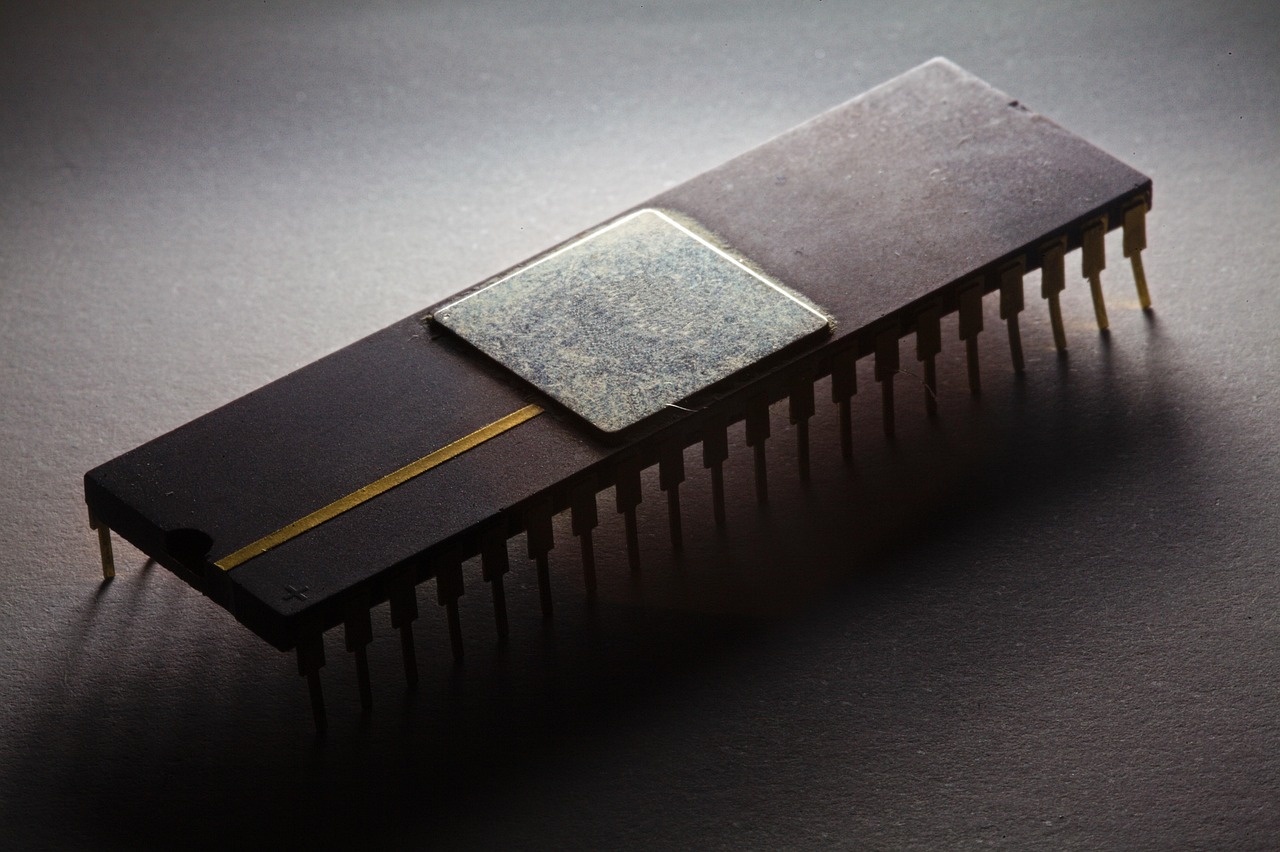
In recent years, microchipping has become crucial for ensuring the safety and security of cats. These small devices offer a reliable way to identify lost pets, offering owners peace of mind. As technology continues to evolve, future advancements in microchipping will enhance the overall effectiveness of these chips. One major trend is the integration of GPS technology into microchips, allowing owners to track their cats’ movements in real-time. This technology will be invaluable for adventurous outdoor cats who might wander off. Another innovative trend is the development of biocompatible materials for these chips, which will further minimize the risk of rejection from cats’ bodies. Moreover, advancements in chip design can lead to smaller, more efficient devices that require less frequent scanning. As concerns about pet theft rise, these enhancements will play a pivotal role in ensuring that pet owners can effectively manage the safety of their cats. Partnerships between tech companies and veterinarians will also likely foster new developments in microchipping, making it more accessible and effective than ever for cat owners looking to protect their furry companions.
Data privacy is becoming a pressing issue in society, and microchipping technology is no exception. The future of microchipping will involve making certain that pet owners maintain control over their cats’ data. Manufacturers are poised to implement more stringent data protection measures, ensuring that only authorized individuals can access a cat’s microchip information. This shift will be critical in fostering trust between pet owners and manufacturers alike. Enhanced encryption protocols may be developed to safeguard sensitive information stored on microchips. Education campaigns will also be essential to inform cat owners about the importance of data privacy in connection with microchipping. Furthermore, software applications enabling pet owners to monitor their cats’ locations while maintaining secure data interfaces will likely surge in popularity. Such applications might allow for easy updates to owner information, ensuring that lost cats have the highest chances of being reunited with their families. By addressing the privacy concerns associated with microchipping technology, manufacturers can create a trustworthy image that promotes its growing adoption among cat owners.
Integrating Smart Technology
The integration of microchips with smart technology presents exciting future trends for cat safety. Pet collars equipped with smart technology can sync with microchips, offering a comprehensive safety solution for cat owners. These collars can relay vital information directly to a user’s smartphone, including alerts if a cat wanders beyond designated safe zones. The increased functionality can enhance a cat’s safety while allowing owners to feel more connected to their pets. Innovations such as artificial intelligence could also play a role in understanding a cat’s behavior through data collected from smart collars. Thus, owners can be alerted to any behavioral changes that may indicate health issues. Moreover, smart technology in microchipping could provide environmental insights, like how comfortable or secure a cat feels in various locations. Utilizing advanced sensors, these devices will guide owners to ensure optimal wellbeing for their cats. As we move forward, the fusion of microchips and smart technology could redefine pet ownership, making it more interactive and insightful. This dynamic approach will brew new avenues for improving the lives of our feline companions.
Another notable trend in cat microchipping technology is the potential for veterinary collaboration. Veterinarians will play an integral role in the implementation and enhancement of microchipping systems, ensuring their effectiveness for both cats and other pets. By working closely with manufacturers, veterinary clinics can provide feedback on microchip performance, refining design to boost effectiveness in diverse conditions. Regular health check-ups may soon include microchip updates, assuring that pet data is current and accurate. Furthermore, veterinary endorsement of specific microchipping brands will likely add credibility as well as standardization in the industry, enhancing overall safety standards. Integrated systems that link veterinarians, shelters, and animal control agencies will provide seamless data sharing, facilitating quicker reunions of lost cats with their owners. The idea is that a more interconnected ecosystem will minimize the number of lost cats and directly improve their chances of being safely recovered. As microchipping technology evolves, the collaboration between veterinarians and developers will prove pivotal in meeting the needs of cats and promoting overall public safety.
Improving Competitiveness and Affordability
As competition in the microchipping market intensifies, cost reductions will be essential to ensure accessibility for all cat owners. Affordable microchipping solutions need to remain a priority for manufacturers, encouraging a more substantial adoption rate among the feline population. Economies of scale achieved through increased production can ultimately lead to slashed prices, making it more feasible for pet owners to microchip their cats. Additionally, public health initiatives may include subsidized microchipping programs, particularly in communities with many stray or neglected cats. These programs can help to increase the number of microchipped pets, leading to safer environments for all involved. Community-based campaigns praising the importance of microchipping will further support the trend, so that awareness levels rise, and fewer cats are lost or left to fend for themselves. In this competitive landscape, adopting innovative promotional strategies such as bundles that include microchipping with vaccinations or health checks will stimulate comprehensive care for cats. Cost-effective options will solidify microchipping as a staple practice, vital to the safety and happiness of cats across diverse demographics.
As the microchipping technology landscape evolves, there is a growing inclination toward customization options for cat owners. Personalized microchips may allow for tailored data that includes information beyond mere identification, such as medical history and dietary preferences. These features could ensure that critical information is always accessible, even in emergencies when primary caregivers are not present. Moreover, technological personalization can extend to communication preferences, allowing owners to choose how they can receive real-time updates about their cats’ locations or wellbeing. This aspect of user experience will play a vital role in fostering a strong emotional connection between the owner and their pet due to the profound awareness it creates. Furthermore, with an increase in customizable microchips, pet stores and clinics can forge partnerships to provide unique options that resonate with modern pet owners. Not only will it promote usage, but it will also enhance the relationship between cats and their caregivers. As technology progresses further, these customizable features may become standard practice, defining the future of cat microchipping in a playful and engaging manner.
Concluding Thoughts on Future Innovations
In conclusion, the future trends in cat microchipping technology suggest a transformative era ahead for feline safety. With the integration of GPS tracking, data privacy measures, and smart technology, cat owners can expect more accurate identification methods tailored to meet their needs. The collaboration between veterinarians and manufacturers will strengthen the development of microchipping, ensuring better care and well-being for our beloved companions. As costs decrease and customizable options emerge, more pet owners will recognize the importance of microchipping as a vital component of responsible pet ownership. While it provides a fundamental safety net for our cats, it can also promote proactive measures regarding health and behavior. Ultimately, this evolution will redefine pet ownership. As these trends gain momentum, cat microchipping is poised to become a proactive and indispensable tool for enhancing the lives of cats for years to come. Embracing these changes will encourage an environment where each cat is protected, ensuring that safety thrives in an increasingly connected world for our furry friends.
Each of these future trends in cat microchipping technology contributes uniquely to improving safety for feline companions. The potential to track, safeguard, and personalize the microchipping experience ensures that both cats and their owners benefit immensely. As innovations unfold, the biotechnology industry will continue to respond to the growing need for enhanced pet safety solutions. Collaborations with various stakeholders within the pet care ecosystem will unquestionably amplify the impact. In summary, as we look toward a future filled with technological advancements, the hope is that every cat can be microchipped, safely reconnecting them with their families on the chance they get lost. With the continued determination from manufacturers, veterinarians, and pet owners alike, we can galvanize our efforts to prioritize the well-being of cats in this evolving landscape. Supportive initiatives and educational endeavors centered around microchipping need to flourish, ensuring that all pets are accounted for and remembered. The ultimate goal is a world where the bond between what it means to be a pet owner and cat safety is seamlessly intertwined, through the intricate web of innovation and technology.