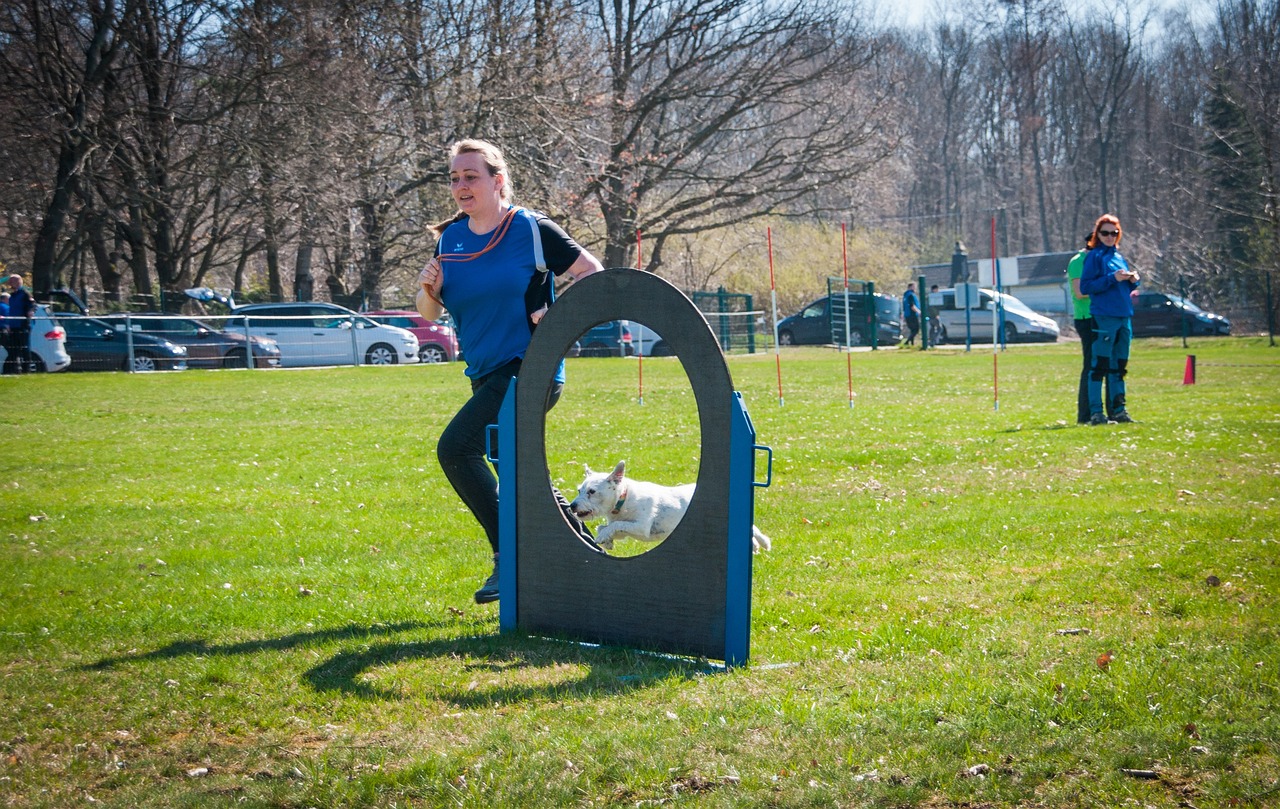

Understanding Dog Behavior to Build Strong Sports Teams
To successfully build a strong sports team for dogs, it’s crucial to start with an understanding of dog behavior. Recognizing various breeds’ characteristics, temperament, and individual personalities serves as a foundation in forming cohesive teams. More than just athletic ability, dogs require social compatibility to thrive in a team setting. Effective communication between dog handlers and their dogs is vital for creating a successful dynamic. Training sessions should prioritize positive reinforcement, encouraging desired behaviors while fostering trust. In any training environment, observing positive interactions among team members can significantly enhance overall performance. This entails knowing when to step in, support, or encourage certain behaviors in the pack. Understand that each dog will have a different response to stimuli based on previous experiences, impacting their competitiveness and teamwork. Early socialization is critical; exposure to diverse environments introduces dogs to varied situations and builds adaptability. Ultimately, taking the time to understand and nurture each dog’s individual needs will significantly enhance team cohesion. Building strong bonds through shared experiences can lead to greater successes in competitions, emphasizing the importance of a stable psychological environment for your athletes.
Importance of Individual Assessments
Assessing each dog’s unique traits and behaviors is fundamental in designing an effective sports team. Individual assessments allow handlers to tailor their training methods, considering factors such as energy levels, breed traits, and previous experiences. Knowledgeable trainers can also decode subtle signs of stress or discomfort, ensuring the well-being of each dog involved. When dog owners conduct thorough assessments, they can identify which dogs bond well together or need additional support. This careful analysis promotes a better understanding of canine social hierarchies, which can impact team dynamics. Dogs that thrive in competitive atmospheres often show enthusiasm for the sport, while others may excel in less intense environments. These assessments should occur continually, as dogs may evolve in their behavior over time. Providing structured activities, such as agility training or herding challenges, can help evaluate how well each dog collaborates with others. Additionally, keeping records of behaviors and preferences promotes informed decision-making when forming teams. Forming balanced teams demands considering each dog’s individual strengths and weaknesses, leading to a more harmonious and effective training environment that maximizes their potential in competitions.
In addition to individual assessments, understanding canine body language is crucial for building strong sports teams. Dogs communicate through multiple signals, such as posture, ear position, and tail movement. Recognizing these cues allows trainers to gauge a dog’s emotions and comfort level during training sessions. A relaxed dog typically indicates that they are enjoying the activity, while signs of stress could signal the need for adjustments. When engaging in team activities, it is vital to monitor these signals closely to foster a positive atmosphere. Encouraging a dog’s natural instincts can enhance teamwork and allow each dog to contribute uniquely to the group. For instance, herding breeds may excel in roles that demand swift decision-making and strategy, while others might shine in agility where speed is essential. Training sessions should include opportunities for each dog to showcase their skills in a supportive environment. This not only builds confidence but also strengthens the bond with their handlers. When each dog feels understood and valued, it fosters loyalty and enhances team spirit. Strong teams are built on a solid foundation of communication, understanding, and encouragement among all members, leading to success in competition.
Socialization and Team Bonding
Socialization plays a pivotal role in building strong sports teams for dogs. Early exposure to various environments, people, and other dogs enhances adaptability and comfort, reducing the chance of anxiety in competitive settings. Regular socialization sessions allow dogs to learn appropriate behaviors and responses while interacting within their teams. These interactions can take place during agility classes, group training sessions, or playdates, fostering crucial social bonds. Positive interactions not only help build trust among dogs but also enhance their performance during competitions. Unique play styles of different breeds can be a source of entertainment and camaraderie. Moreover, shared experiences will create lasting memories, encouraging dogs to work together as a cohesive unit. Team-building exercises employed alongside individual training ensures effective communication and a sense of camaraderie. Relying on each dog’s strong points reinforces their self-confidence, which translates to improved performance in sports activities. The effective collaboration among team members often leads to rewarding relationships, both for the dogs and their handlers. Ultimately, investing time in socialization and bonding results in a resilient team ready to tackle challenges together, resulting in a fulfilling experience in dog sports.
Communication strategies are essential when developing teams in dog sports. Handlers must learn to relay commands and cues effectively while understanding their dogs’ responses to ensure smooth teamwork. Using positive reinforcement encourages the desired behaviors, while rewarding teamwork fosters a sense of cooperation. Moreover, clear communication helps dogs understand their roles during training and competition, which can alleviate confusion. Handlers should develop unique signals or cues that their dogs easily recognize, ensuring seamless transitions between activities. Consistency in communication is vital, as it reinforces learning and behavior modification. Employing vocal praise along with physical gestures can further strengthen the handler-dog bond, creating trust and motivation. Additionally, handlers should also encourage feedback from their dogs, understanding when to press forward or adjust their approaches during training. Monitoring each dog’s emotional responses to various commands helps handlers fine-tune their communication strategies, optimizing team performance. As dogs grow and learn, handlers will need to adapt their communication style to foster continued positive outcomes. Over time, enhanced communication can cultivate a harmonious working relationship that leads to successful teamwork and impressive results in dog sports competitions.
Training for Team Success
Implementing focused training is vital to achieving success in dog sports. Training sessions should be well-structured, incorporating activities designed to enhance both individual and team skills. Exercises must strike a balance between fun and discipline, ensuring that dogs remain engaged while honing their abilities. Setting achievable goals provides motivation and direction, creating a framework to track each dog’s progress. Engaging dogs in a variety of sports allows them to explore different physical demands, identifying areas where they excel or face challenges. Developing a routine can significantly enhance training effectiveness, while consistency creates reliability. Incorporating agility courses, obedience drills, or rally activities helps dogs learn responsibility and reinforces teamwork within the group. Regular feedback positively influences a dog’s confidence and readiness to perform, as handlers build on each small success. Team training promotes camaraderie, as dogs learn to support and encourage each other throughout the journey. Moreover, competitive training helps sharpen focus and performance under pressure, preparing dogs for real-world competitions. Through persistent efforts and dedication, handlers can nurture well-rounded canine athletes ready to shine in their sports endeavors.
The importance of mental stimulation cannot be overstated in building effective dog sports teams. In addition to physical training, dogs require challenges that stimulate their minds. Engaging in activities that require problem-solving and strategic thinking enhances a dog’s cognitive abilities, ultimately benefiting teamwork. Puzzle toys, scent work, and obedience games encourage critical thinking, leadership skills, and cooperation among dogs on the team. Furthermore, frequent changes in routines or environments help prevent boredom and maintain enthusiasm for learning. Providing opportunities for dogs to explore their surroundings fosters curiosity and adaptability, essential traits for competitive performance. Dogs that are mentally engaged often exhibit more focus and fewer behavioral issues, allowing them to work together more effectively. Implementing various activities throughout training sessions keeps dogs motivated and excited. When mental stimulation is combined with physical challenges, the results can lead to impressive performance in competitions. Creating a well-rounded training plan that incorporates both aspects significantly benefits the overall strength of the team. With the right balance of mental and physical stimulation, teams can develop resilience, ensuring long-term success in dog sports competitions.
Building Resilience Through Challenges
Finally, fostering resilience is an essential goal while training dogs for sports teams. Just like athletes, dogs must learn to navigate challenges, setbacks, and successes together. Gradually introducing obstacles during training helps build confidence and adaptability, enabling them to perform well even in adverse circumstances. When dogs encounter difficulties, they learn valuable lessons about perseverance and problem-solving, skills that enhance overall team dynamics. Handlers should celebrate both victories and learning experiences, reinforcing the concept that challenges are growth opportunities. Instilling resilience develops a strong mindset in dogs, which translates into better performance during competitions. Teams that are mentally prepared to deal with various scenarios will typically succeed, as they are unified in their approach to problem-solving. Moreover, encouraging dogs to face new challenges—and supporting them through those experiences—cultivates a sense of trust and reliability. Teams that persist through adversity create an atmosphere of camaraderie, unity, and mutual support, qualities that will reflect during competitions. In conclusion, building resilience through challenges is a crucial aspect of creating strong dog sports teams, ultimately leading to successful results and lasting bonds.