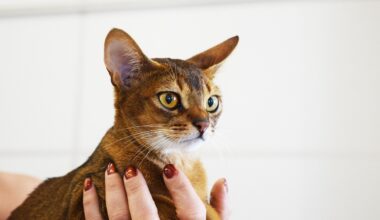

Feline Seizure Disorders: Managing Emergency Situations at Home
Feline seizure disorders encompass various neurological conditions affecting cats. As a cat owner, understanding these disorders can significantly impact your ability to respond during emergencies. Seizures can manifest in various forms, including generalized tonic-clonic seizures and focal seizures. Signs may include uncontrolled shaking, disorientation, and loss of consciousness. It can be distressing for both you and your cat when witnessing a seizure. It’s vital to remain calm and ensure the immediate safety of your pet. Clear the area of sharp objects or furniture that might pose a risk during a seizure episode. Take precautions to prevent your cat from injuring itself. After the seizure, observe your cat for any unusual behavior or lingering symptoms. Documenting these episodes can assist your veterinarian in diagnosing the underlying cause more effectively. Treatment may include medications to manage the frequency and severity of seizures. Understanding what triggers your cat’s seizures, such as stress or specific stimuli, can aid in creating a safer environment. Being prepared and informed can make a significant difference in managing your cat’s condition effectively.
During a seizure, it’s essential to monitor your cat carefully without intervening physically. Avoid putting your hands near its mouth, as this could lead to accidental bites. Instead, speak softly to your pet to provide reassurance during this distressing time. Pay close attention to the duration of the seizure. If it lasts longer than five minutes, it is critical to seek emergency veterinary care immediately. In some cases, a series of seizures can occur, known as cluster seizures, which also require urgent attention. The recovery phase immediately after a seizure can leave your cat disoriented and confused. Give them a safe space to relax once they regain consciousness. Establish a cozy, quiet environment free from disturbances, where they can recuperate from the episode. Offering comforting words and gentle touches can be soothing for your pet during this vulnerable moment. It’s important to give your cat time to recover fully before resuming regular activities. Cats often experience prolonged fatigue after a seizure, so watch for signs of distress. You may have to provide extra care in the following hours, ensuring your pet’s comfort and safety.
Recognizing Seizure Symptoms
Recognizing common seizure symptoms in your cat is critical for timely intervention. Cats may exhibit warning signs before a seizure occurs, such as restlessness, excessive meowing, or hiding. Observing behavioral changes can help you anticipate an impending episode. During a seizure, cats may experience twitching, jerking, or unusual movements. They may also lose control of their bodily functions. After a seizure, cats may seem confused or temporarily blind, displaying disorientation or anxiety. Keeping a seizure diary is highly beneficial in identifying patterns, frequency, and potential triggers. This information is invaluable for your veterinarian in diagnosing the disorder effectively. Ensure to record the duration and behavior of your cat before, during, and after each episode. Knowing what constitutes a seizure and logging details can paint a clearer picture for the vet. It may also help to report any additional unusual behaviors, such as sudden aggression or excessive vocalization. Such observations can contribute to a broader understanding of your cat’s neurological health. This awareness fosters a proactive approach in managing your cat’s well-being and improving your confidence during emergencies.
Once diagnosed, your veterinarian may prescribe medications to help manage your cat’s seizures effectively. It is crucial to follow your veterinarian’s dosage recommendations meticulously and never adjust medication without their guidance. Regular check-ups are necessary to monitor the efficacy of the treatment and adjust doses accordingly. Discuss any side effects you notice with your vet, as they may recommend supportive treatments or lifestyle changes. Keeping marijuana and other toxic substances out of reach is primarily essential, as they could trigger seizures in sensitive cats. Learning about your cat’s particular condition may involve adjustments in diet, exercise, and routine. Dietary changes may help reduce seizure occurrence, and stress minimization techniques can be beneficial. Regular exercise is vital for your kitty’s mental and physical health. Adequate stimulation and the right environment can reduce anxiety and potential seizure triggers. Engaging in interactive play sessions can also forge a strong bond between you and your feline friend while providing the much-needed exercise. Enrichment activities, such as puzzle feeders or cat trees, can make homes more engaging for cats while reducing stress.
Preventing Seizure Triggers
Prevention is a vital strategy in managing feline seizure disorders effectively. Identifying triggers requires careful observation of your cat’s behavior, environment, and routines. Some cats may develop seizures due to specific stressors, environmental changes, or health issues. Maintaining a consistent daily routine can help reduce anxiety. Sudden changes in environment, such as moving to a new home or the introduction of new pets, can provoke seizures in sensitive felines. Therefore, gradual introductions and acclimatization are vital. Many cat owners find success in using pheromone diffusers to create a calm atmosphere, reducing potential anxiety triggers. Additionally, consider the effects of diet on your cat’s health; balanced nutrition is essential. Specific ingredients may contribute to seizures, so be sure to consult your veterinarian on the best food options. Providing a calm environment, with escape routes and safe spots, allows your cat to retreat when feeling anxious. Relaxation techniques, such as playing calming music or employing the use of soothing scents, can create a safe haven for your kitty. Each cat is unique, and with patience and diligence, effective preventive measures can be established.
Leading a healthy lifestyle is essential for any cat, especially those with seizure disorders. Regular veterinary check-ups and maintaining vaccinations can help keep your cat healthy and reduce the risk of infections that might trigger seizures. It’s also important to ensure that your pet remains properly hydrated, as dehydration can lead to several health issues, including increased seizure susceptibility. Providing fresh and clean water daily is non-negotiable; encourage your cat to drink by ensuring easy access to water bowls. Playtime is just as crucial; structure interactive sessions and engaging toys to keep your cat mentally stimulated. Activities not only keep them physically active but also contribute to reducing stress levels. In addition, consider incorporating relaxation techniques into your routine. Calm environments can significantly reduce the frequency of seizures triggered by stress. Socialization is equally important; allowing your cat to interact with calm pets can enhance its confidence and reduce anxiety. Additionally, enrichment activities, such as scratching posts or climbing shelves, create a multi-dimensional living space so that your cat can thrive. Every effort in creating a stable and loving environment pays off in enhancing your cat’s quality of life.
When to Seek Veterinary Help
Knowing when to seek veterinary assistance for your cat is crucial for ensuring its health and safety. If your cat experiences a seizure lasting longer than five minutes, it warrants an emergency veterinary visit. Prompt intervention can prevent severe health consequences associated with prolonged seizures. Additionally, if your cat is experiencing multiple seizures within a short period, it is imperative to seek immediate veterinary care. Continuous seizures can lead to a medical emergency known as status epilepticus, which poses serious risks. Following the first seizure, closely monitor your cat for several hours for symptoms such as unusual behavior or excessive fatigue. Document your cat’s behavior during this period, as providing this information to your veterinarian can significantly assist in diagnosis. Sometimes, other medical conditions may mimic seizure symptoms, making a thorough vet evaluation essential. If new symptoms arise or existing ones change, don’t hesitate to consult your veterinarian for advice. Proper treatment and adjustments can lead to a better quality of life for your beloved feline friend. Whenever in doubt regarding your cat’s health, proactive communication with your veterinarian should always be your first step.